Well, we had a string of four accommodations with bad-to-nonexistent internet connectivity (last ten days of the trip), which prevented me from uploading pictures, so now I have some serious catching up to do. Picking up where we left off: getting into Porto…
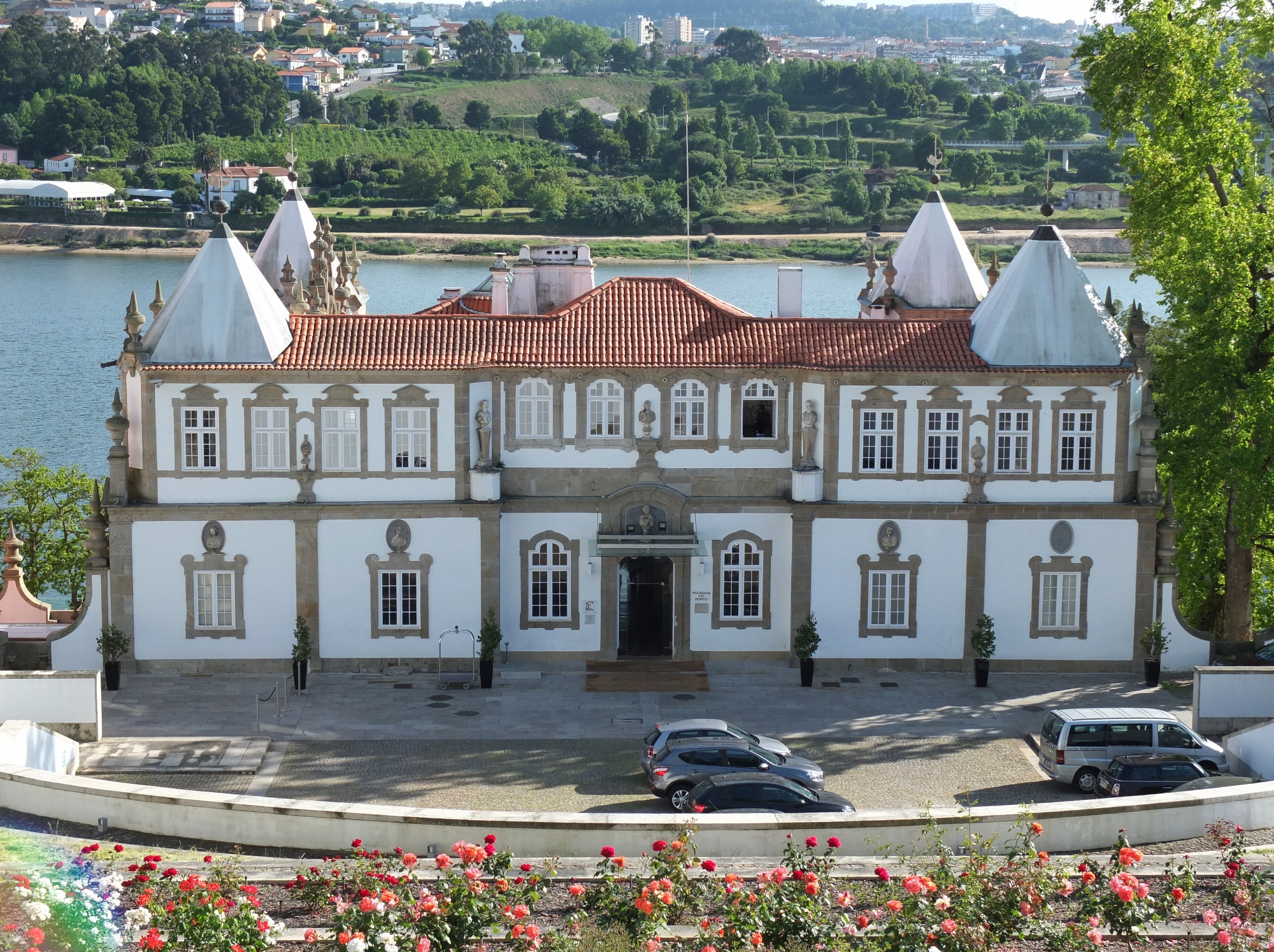
In Porto we stayed at the Pousada do Porto on the Douro River, which used to be an estate house, built by an Italian architect in the eighteenth century.
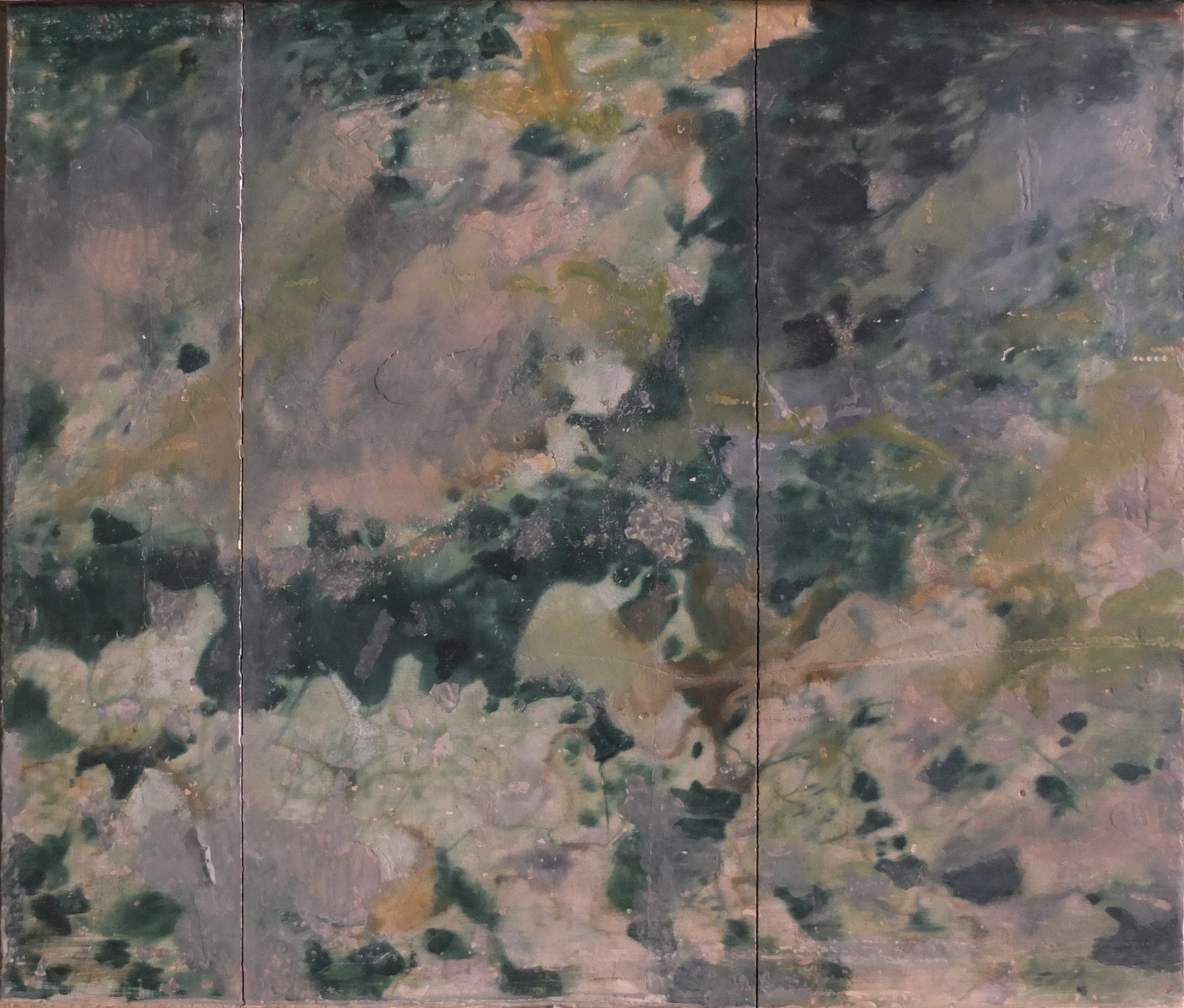
Here are a couple of marble details from the inside of the house that caught my eye:

At some point, the siblings in the family had a falling out, and the estate was subdivided. On the lot adjacent to the house, a cereal (meaning grain, that is, not breakfast cereal—though “Flocos Fosco” [Portuguese for “Frosted Flakes”] has a nice ring to it) factory was built, which the sibling in the estate house must have just loved. It’s the pretty pink building here (which now houses most of the guest rooms of the pousada), with the pretty smokestack in front:
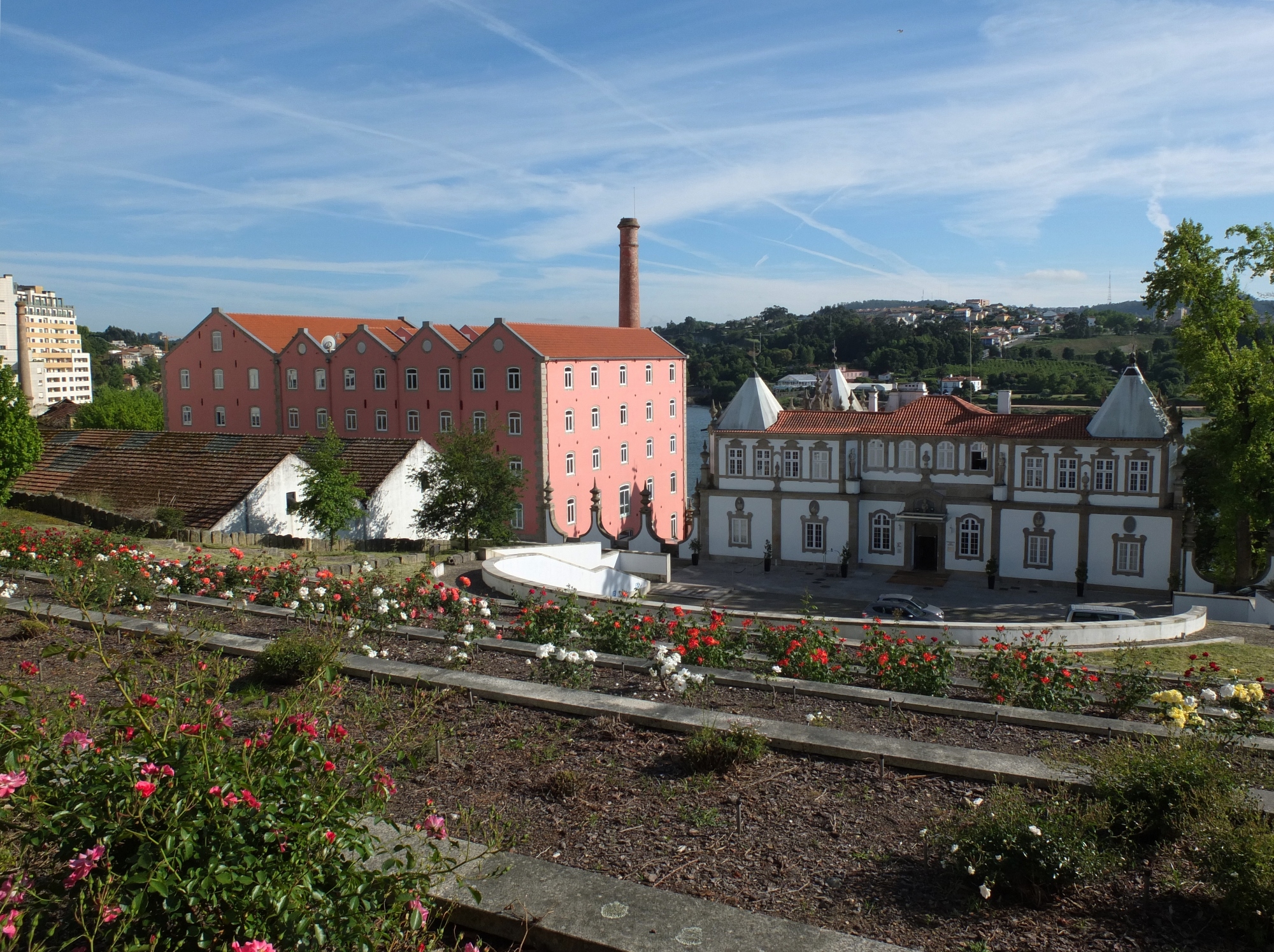
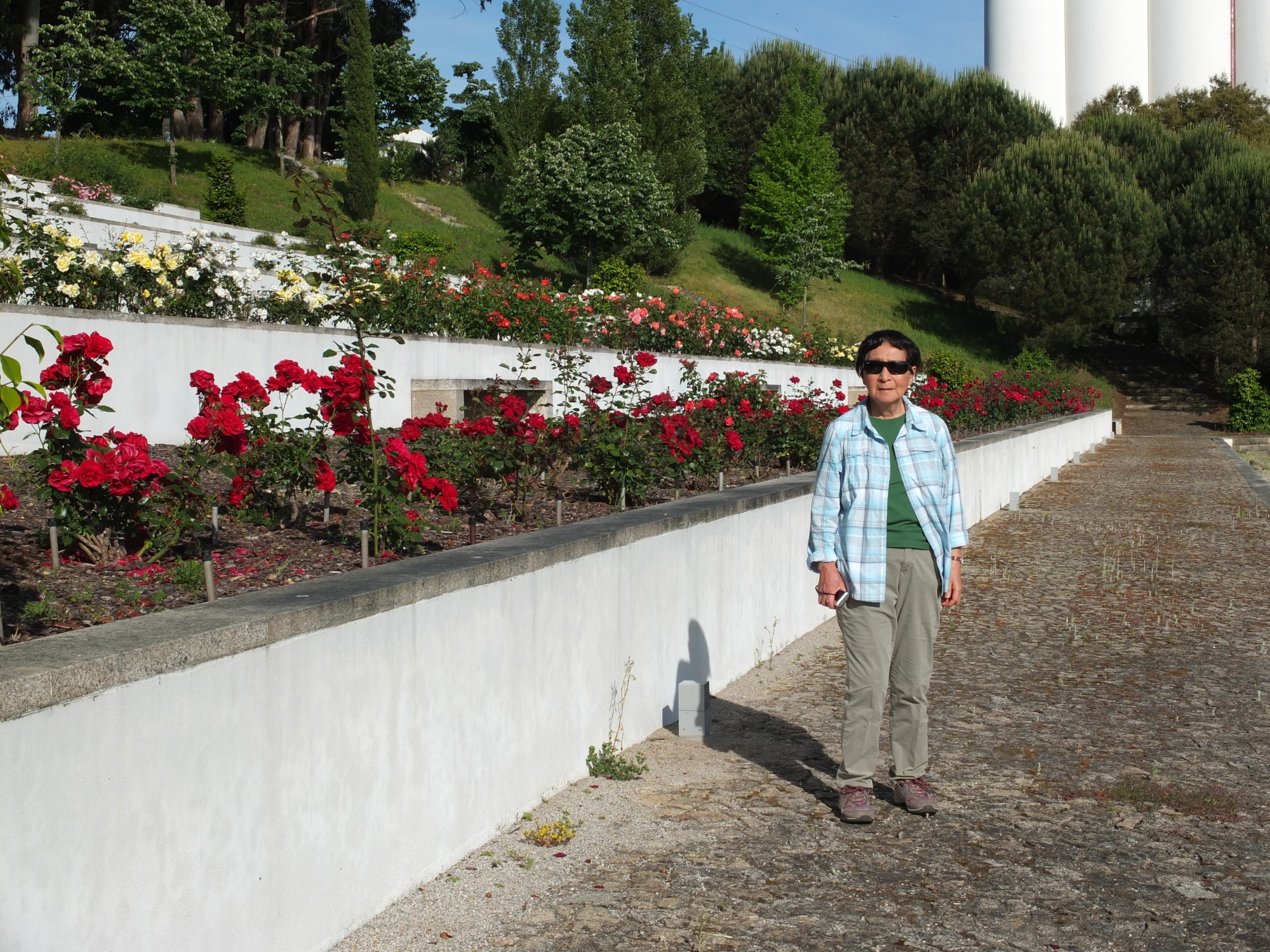
On the hill above the buildings, is a small garden, which is pretty nondescript except for a multi-tiered installation of roses. You can also see the pretty grain storage facility in the background.
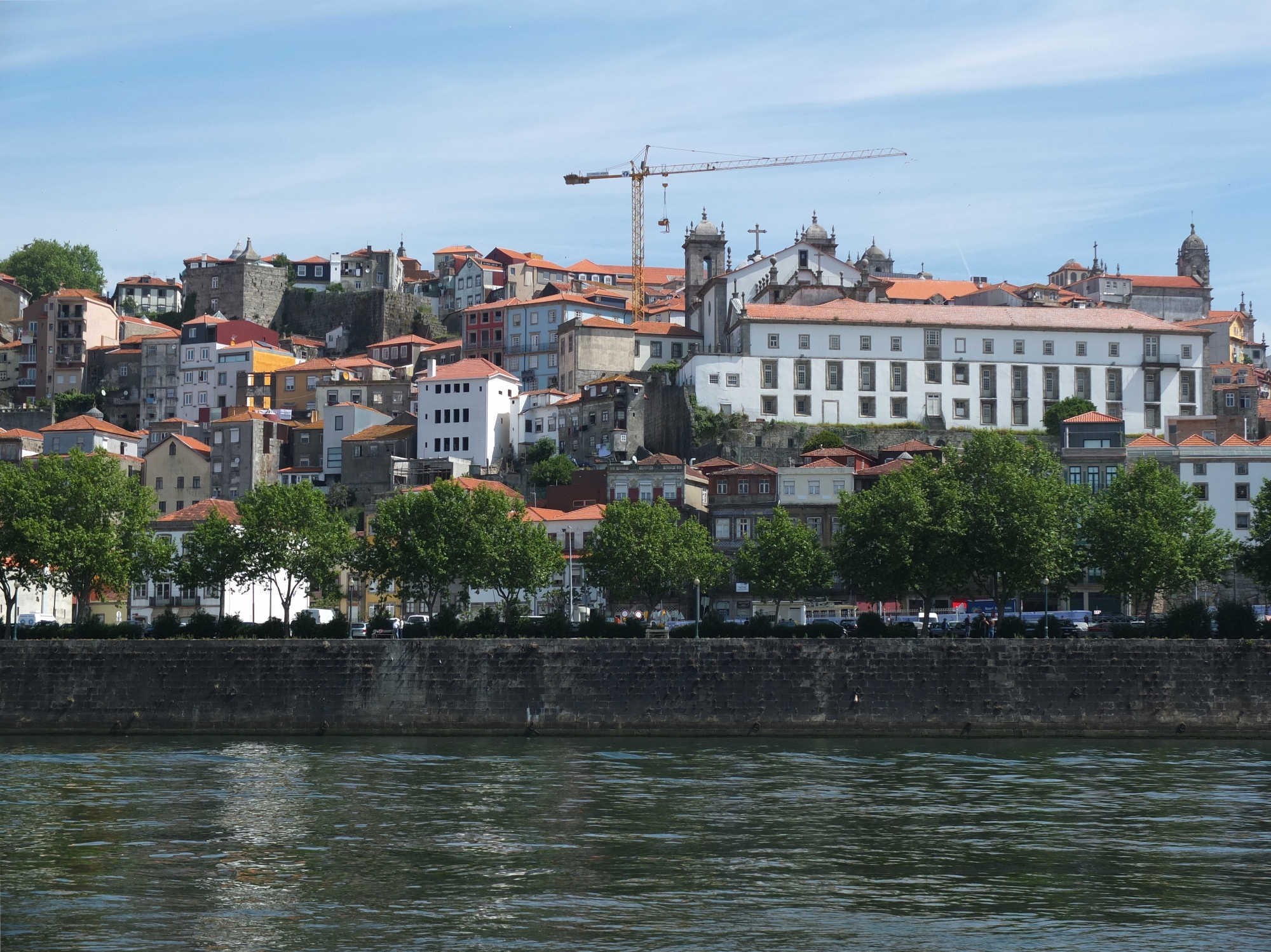
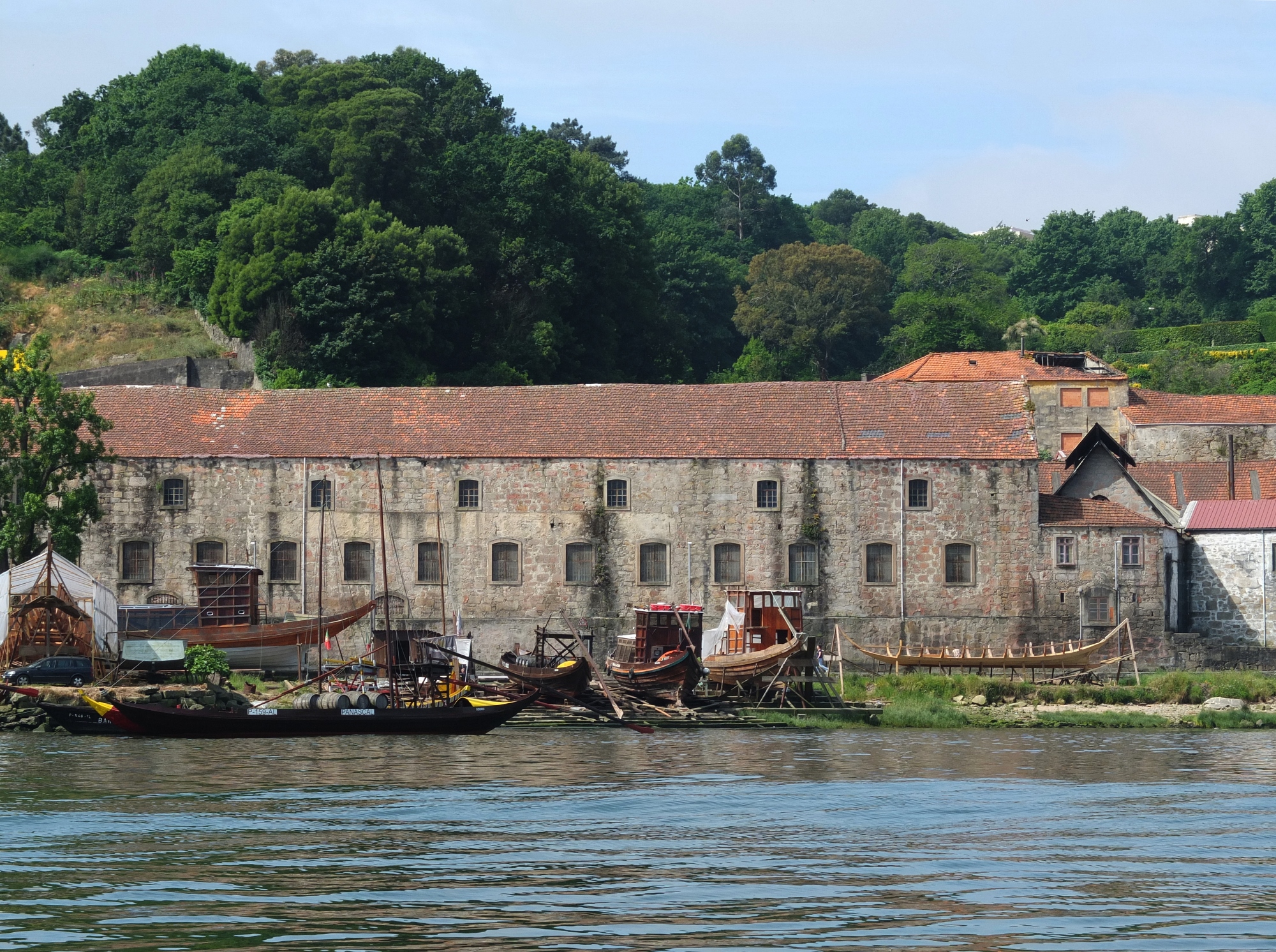
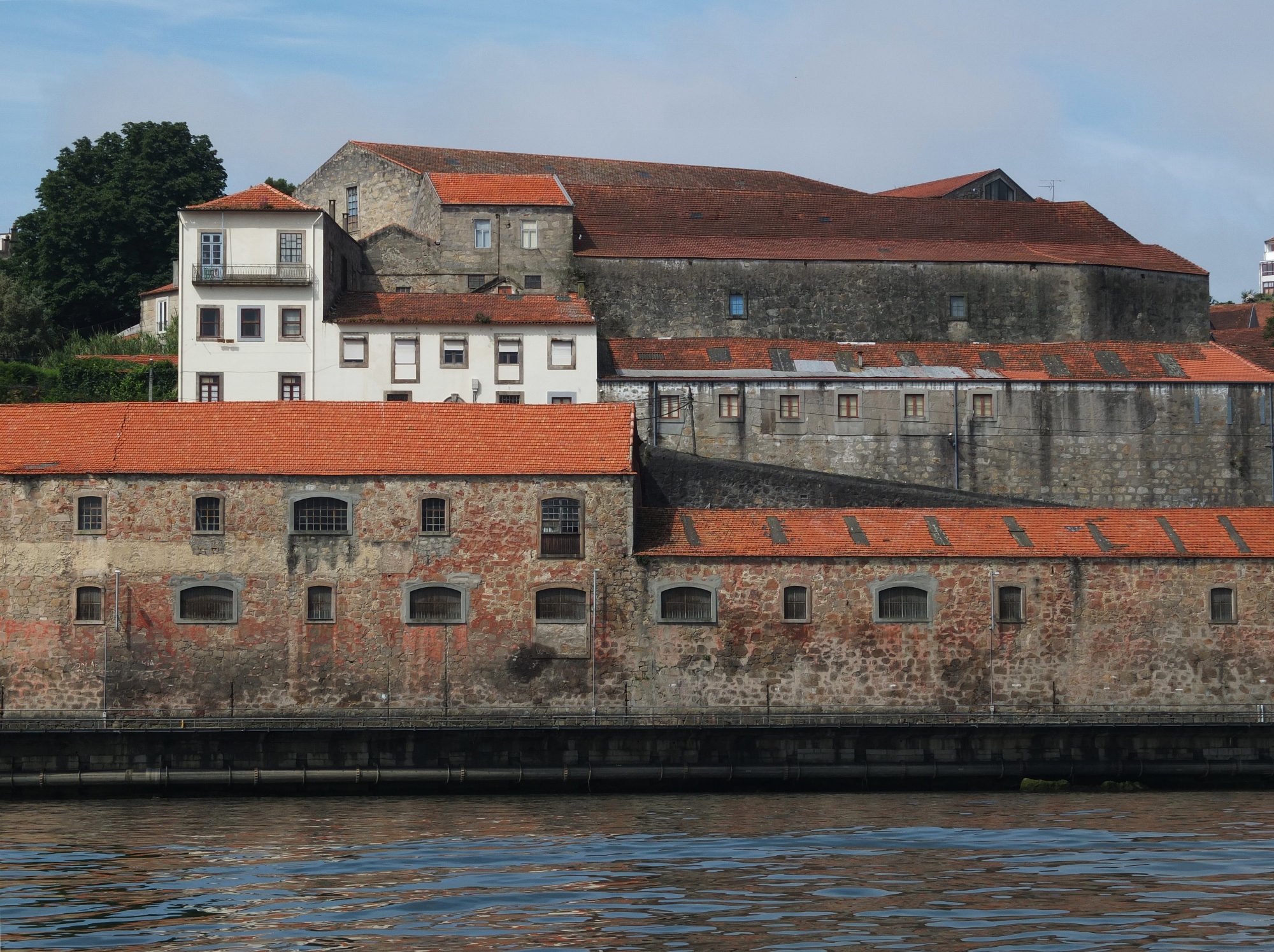
For our full day in Porto, we started with a bus tour of the old part of the city, followed by a “six bridges” cruise of the Douro River, which is the river that runs through the port wine growing region (but unfortunately, the boat turned around about 100 kilometers short of where the vineyards start). The city of Porto rises dramatically above north bank of the river, a combination of historic and majestic stone edifices, and newer whiter, rectangular buildings with red roofs stacked on top of each other in a decidedly non-rectilinear cityscape.
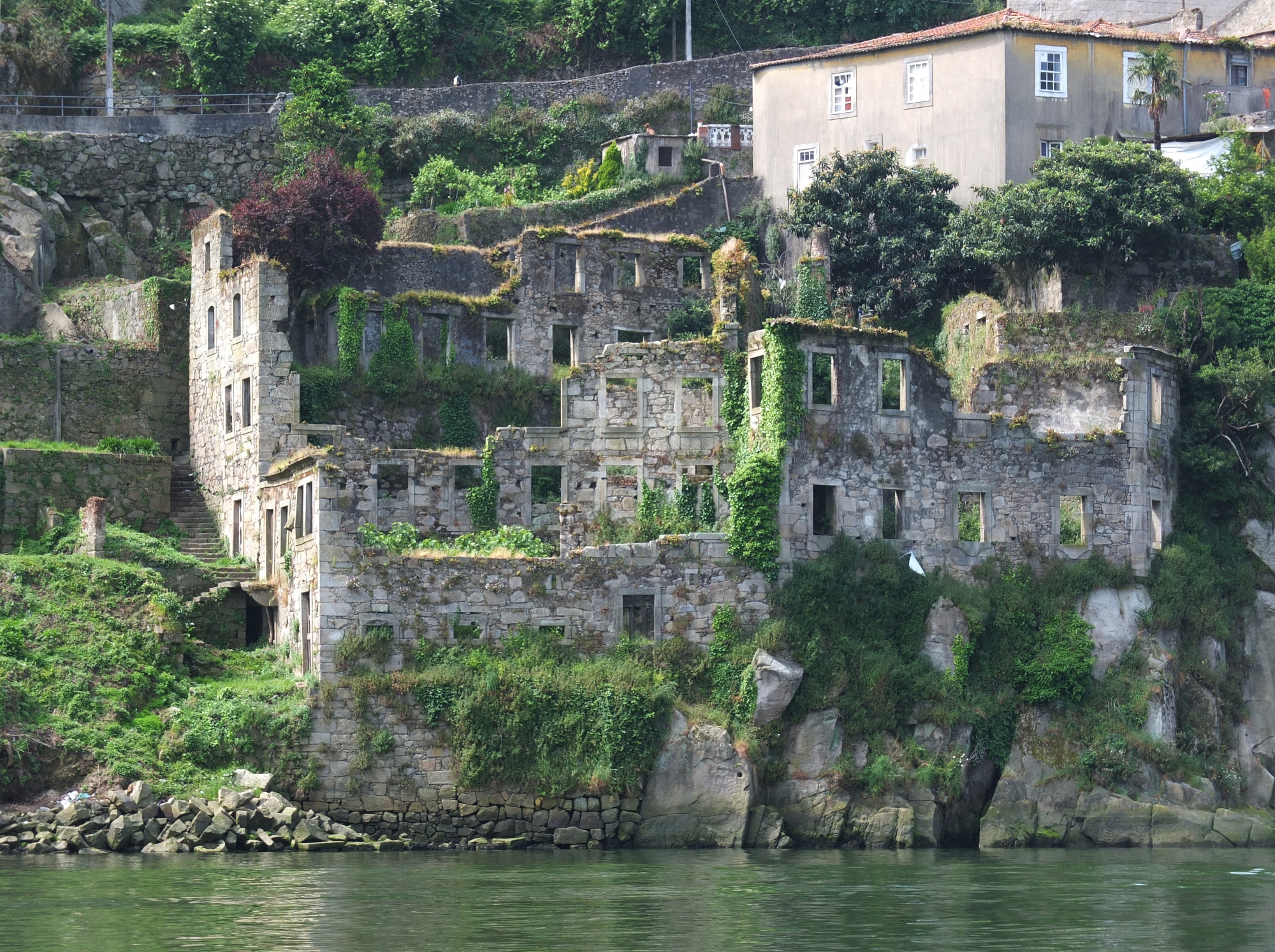
On the south bank is the city of Vila Nova de Gaia (or just, Gaia), more sprawling and greener, with some interesting ruins and abandoned buildings along the banks to the east and west of the town itself.
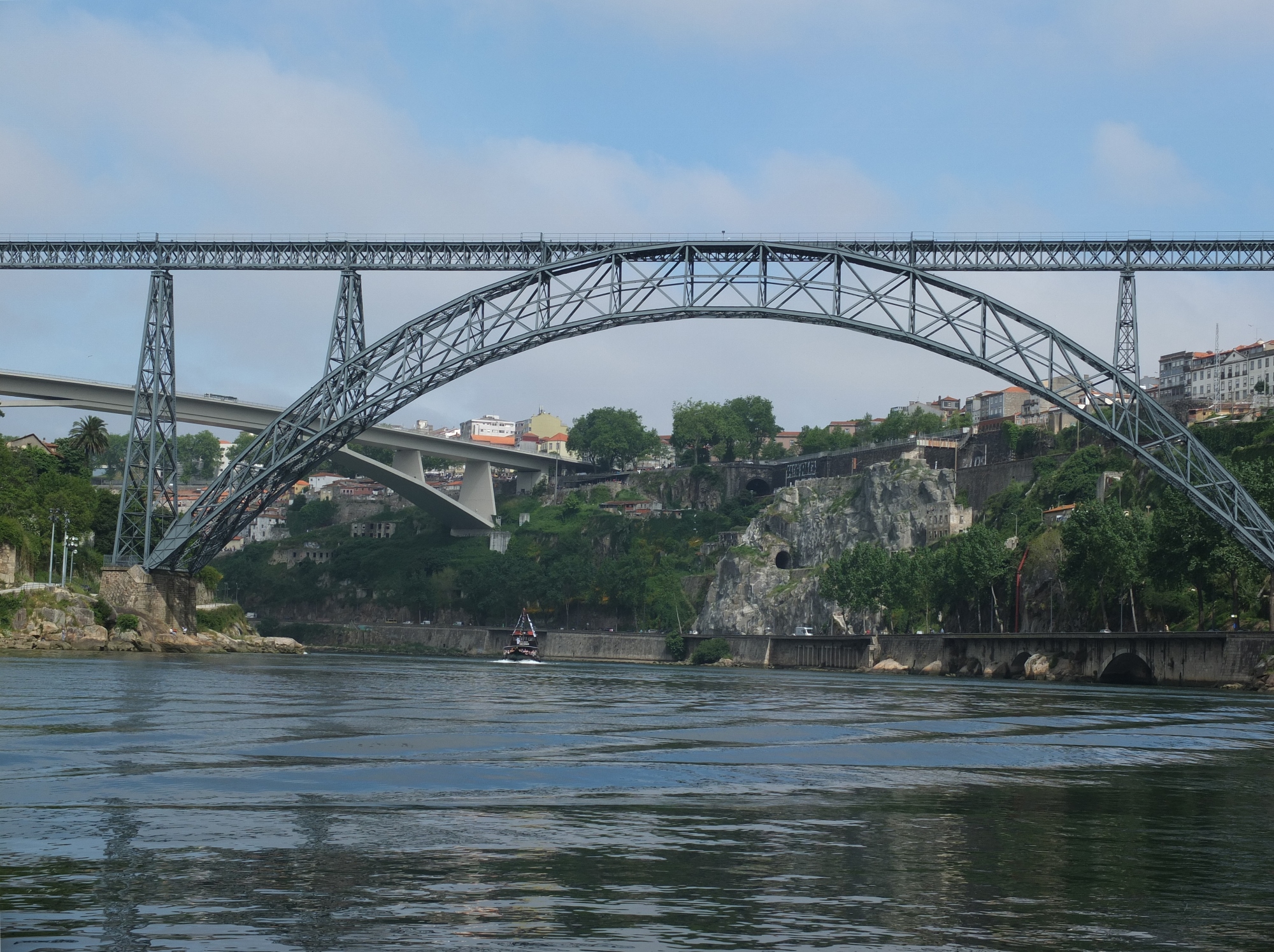
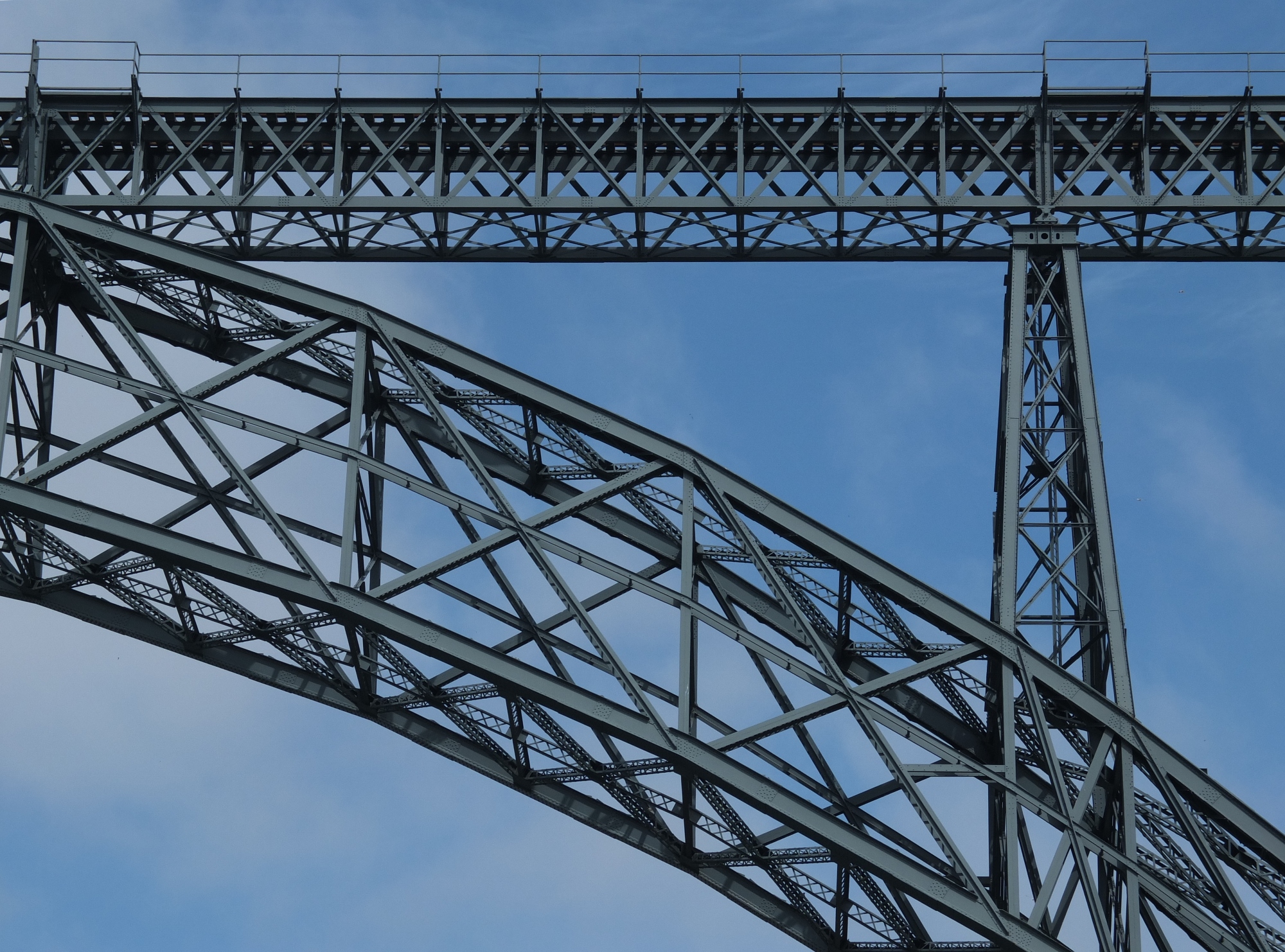
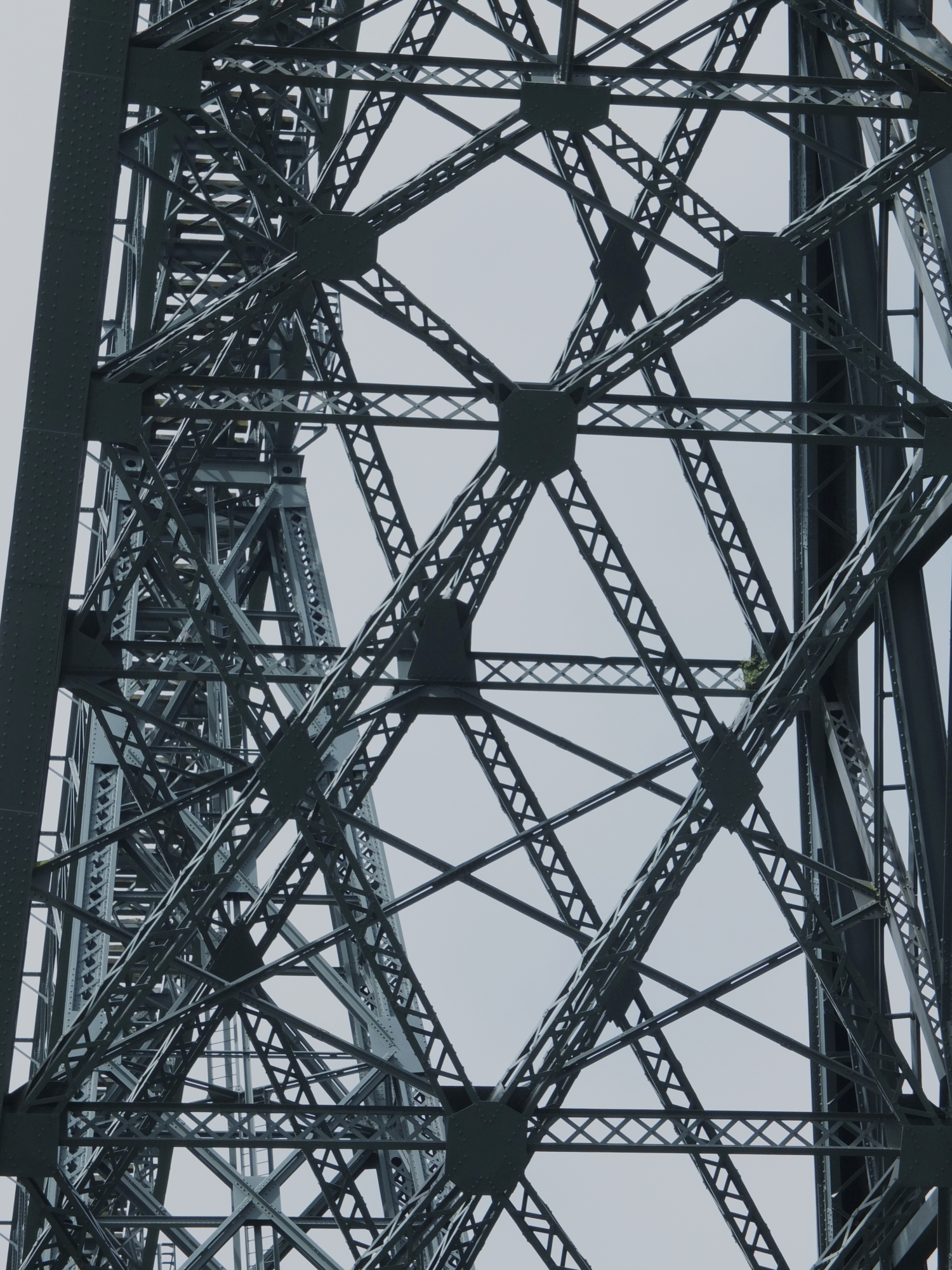
One of the six bridges connecting the two sides of the river that we passed was the Ponte Dona Maria Pia (railroad bridge). See if you can guess who designed it (without going to Wikipedia, that is).
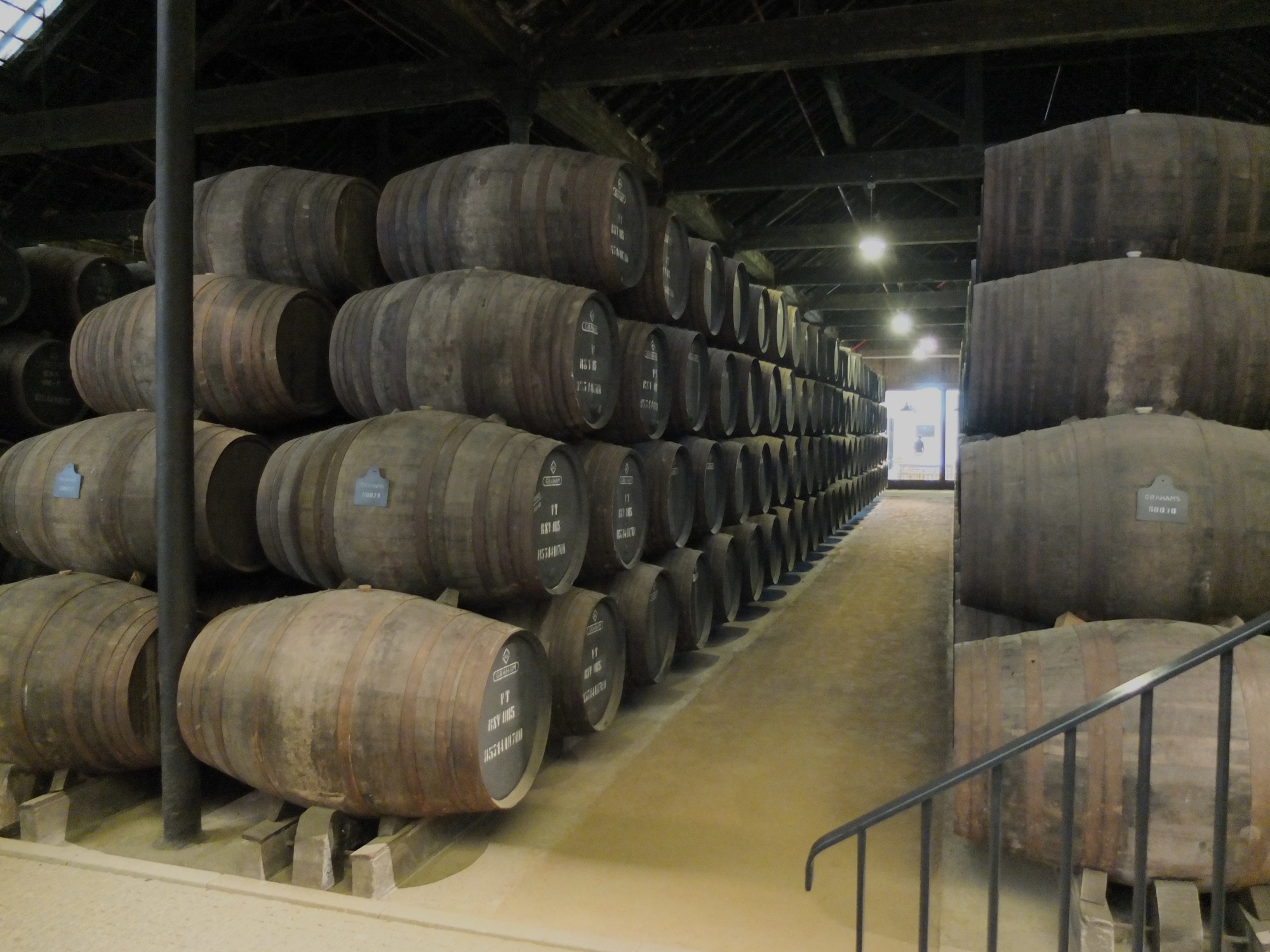
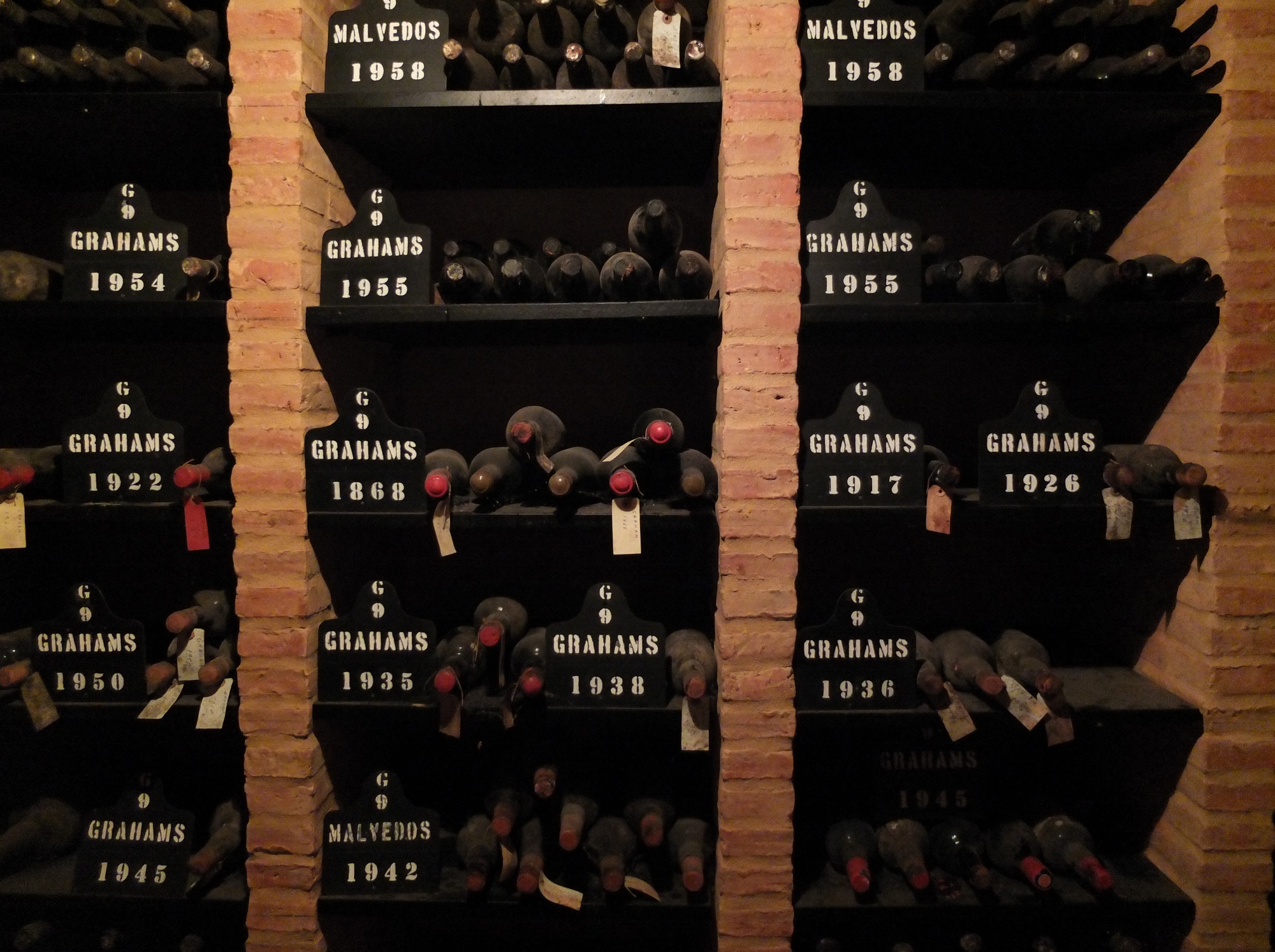
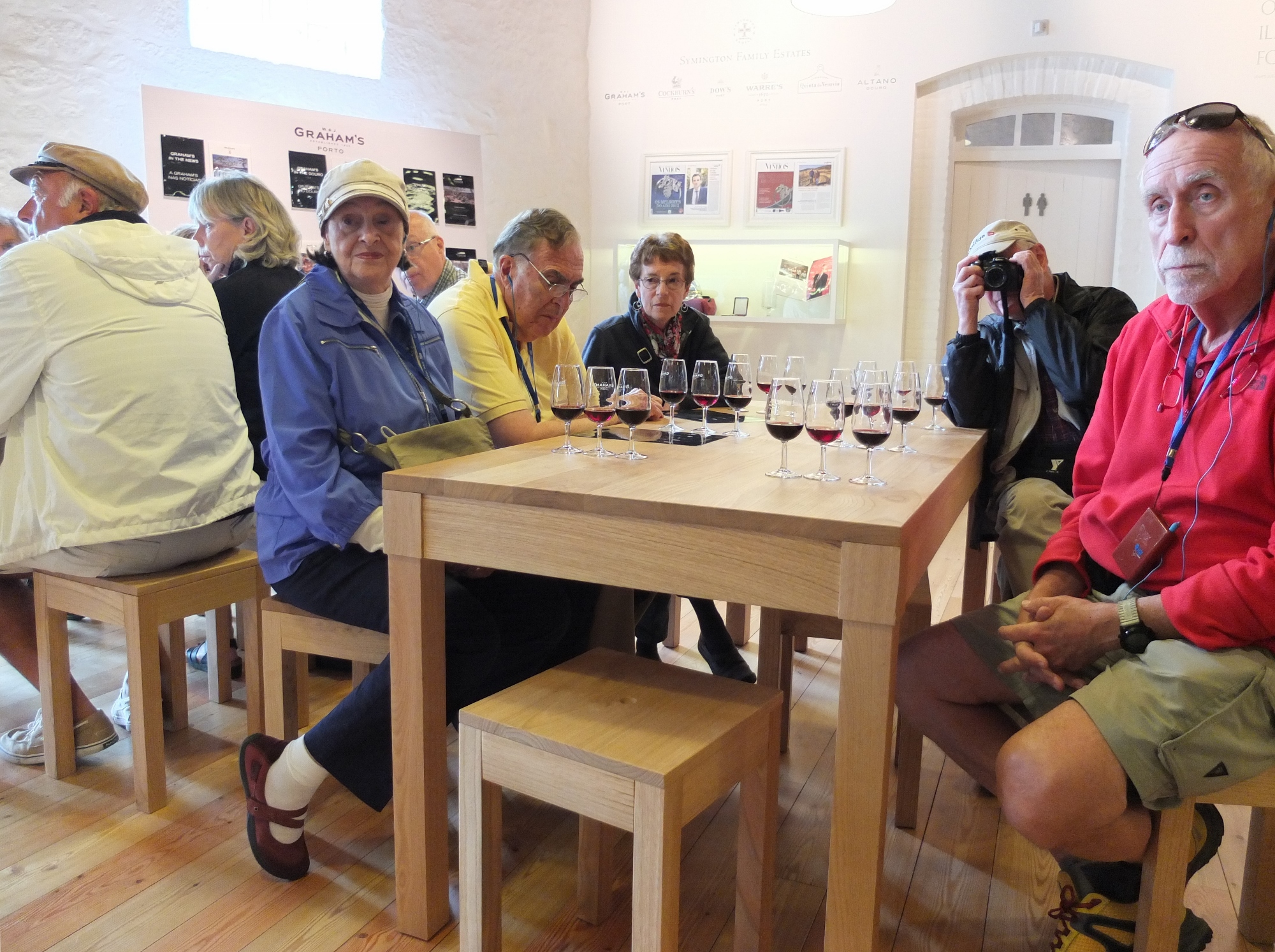
Interestingly, all of the port wine houses are actually in Gaia, and not in Porto (the namesake) itself. Our local guide was quite knowledgeable about port wine, having previously worked for Sandeman, as well as being generally immersed in the local wine culture. He actually led us himself on our tour of Graham’s, which was high in the west hills of the city, giving a detailed and excellently presented walk-through of the history and process of wine making in the region, as well as the storage/aging facility. Check out the dates on the bins in the private cellar. The tour included a tasting of a ruby (Six Grapes), a tawny, and a vintage. Fun.
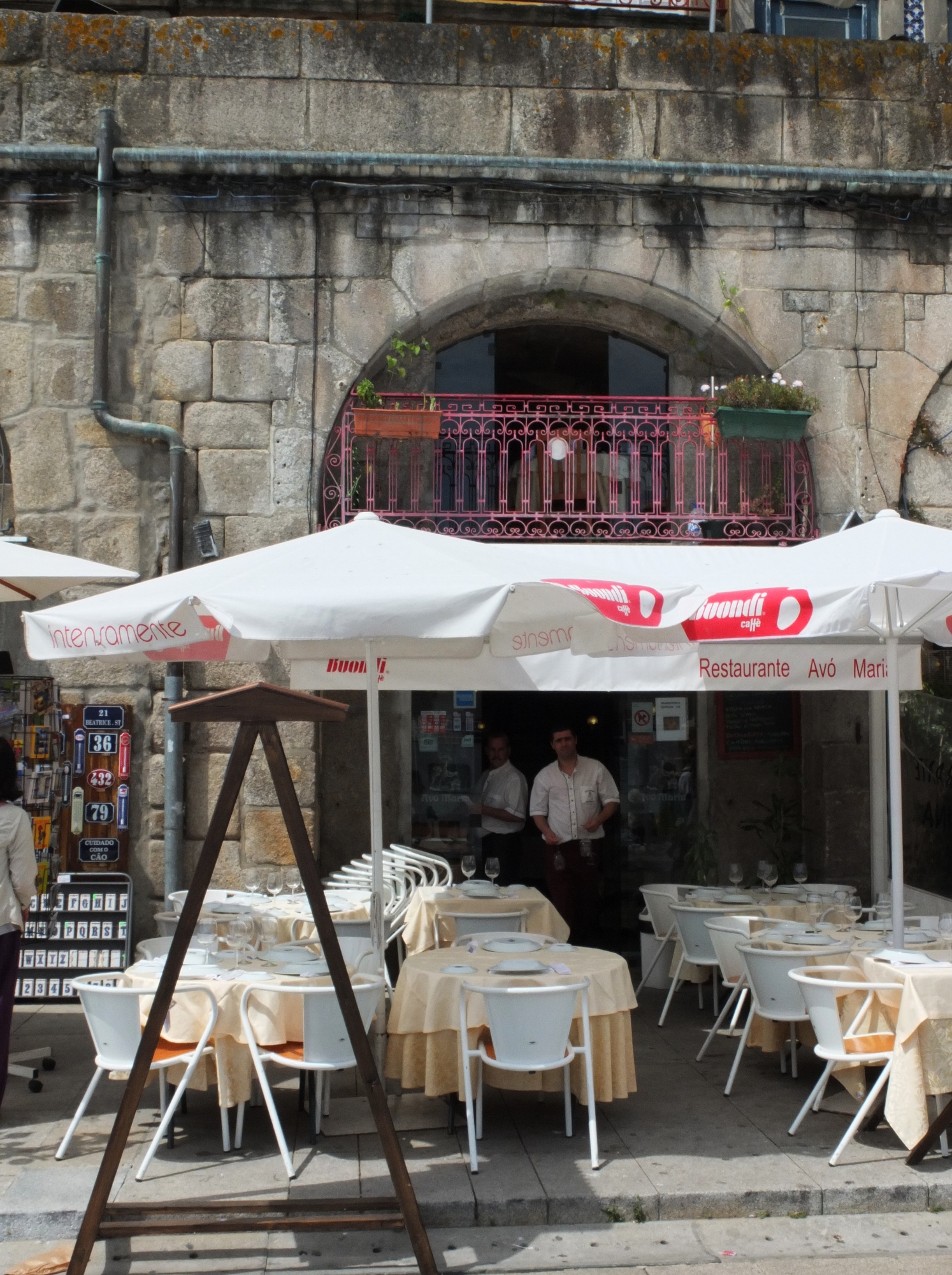
We were on our own for the rest of the afternoon. Mom and I had lunch in this place (one of many) along with river on the Porto side (very nice grilled fish for me; fish soup for Mom, not as tasty as the one in Nazaré):
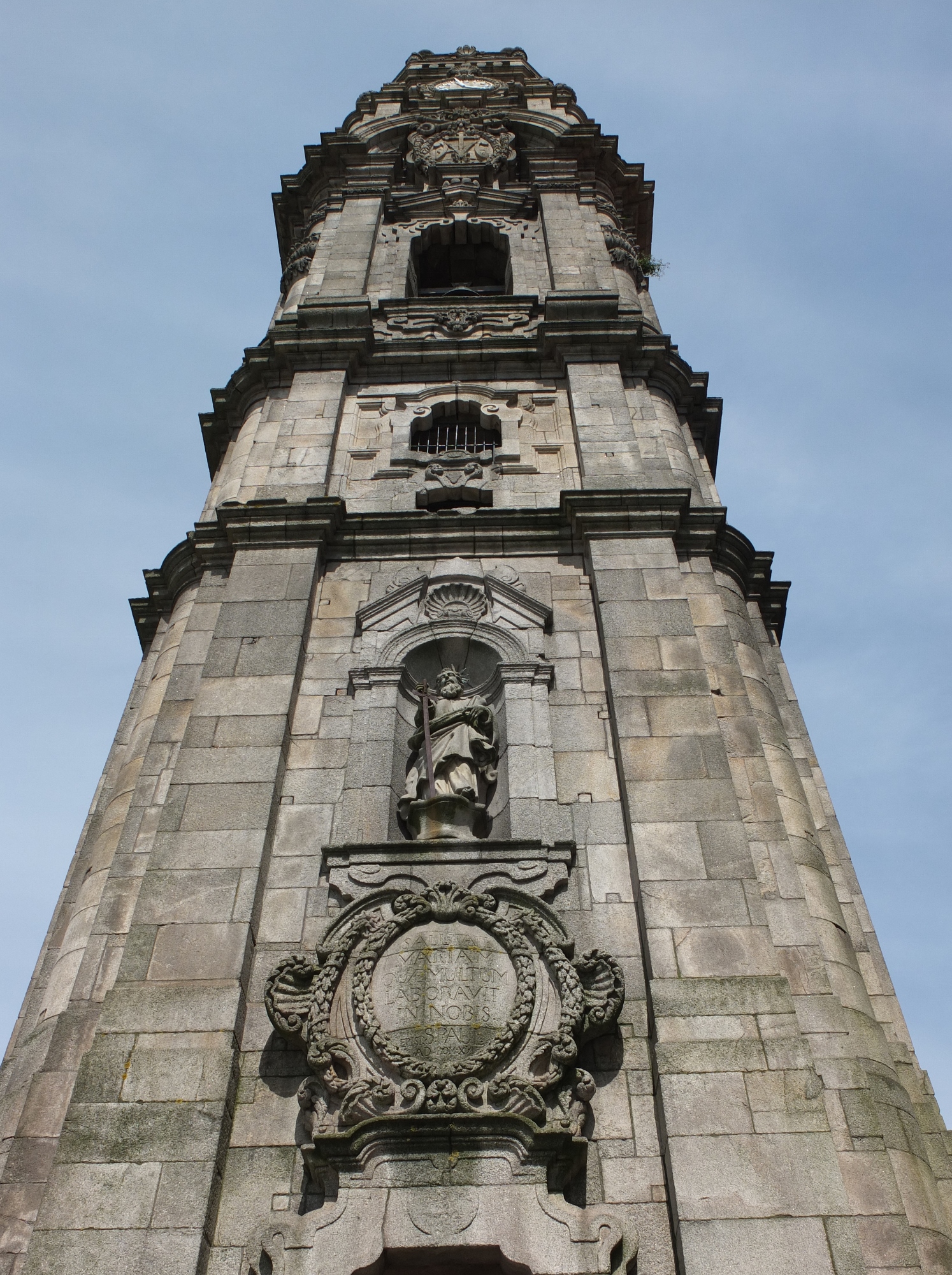
After lunch, we walked around the old part of town. Here is my view of the Torre dos Clérigos, one of the highest points in the city (I think, or I may just be making that up, I don’t remember which). Apparently, there is an awesome view from the top, but our guide advised that we not climb the 240 stairs to see it, so we didn’t (not like Mom and I needed a super amount of convincing on that). Aw snap!
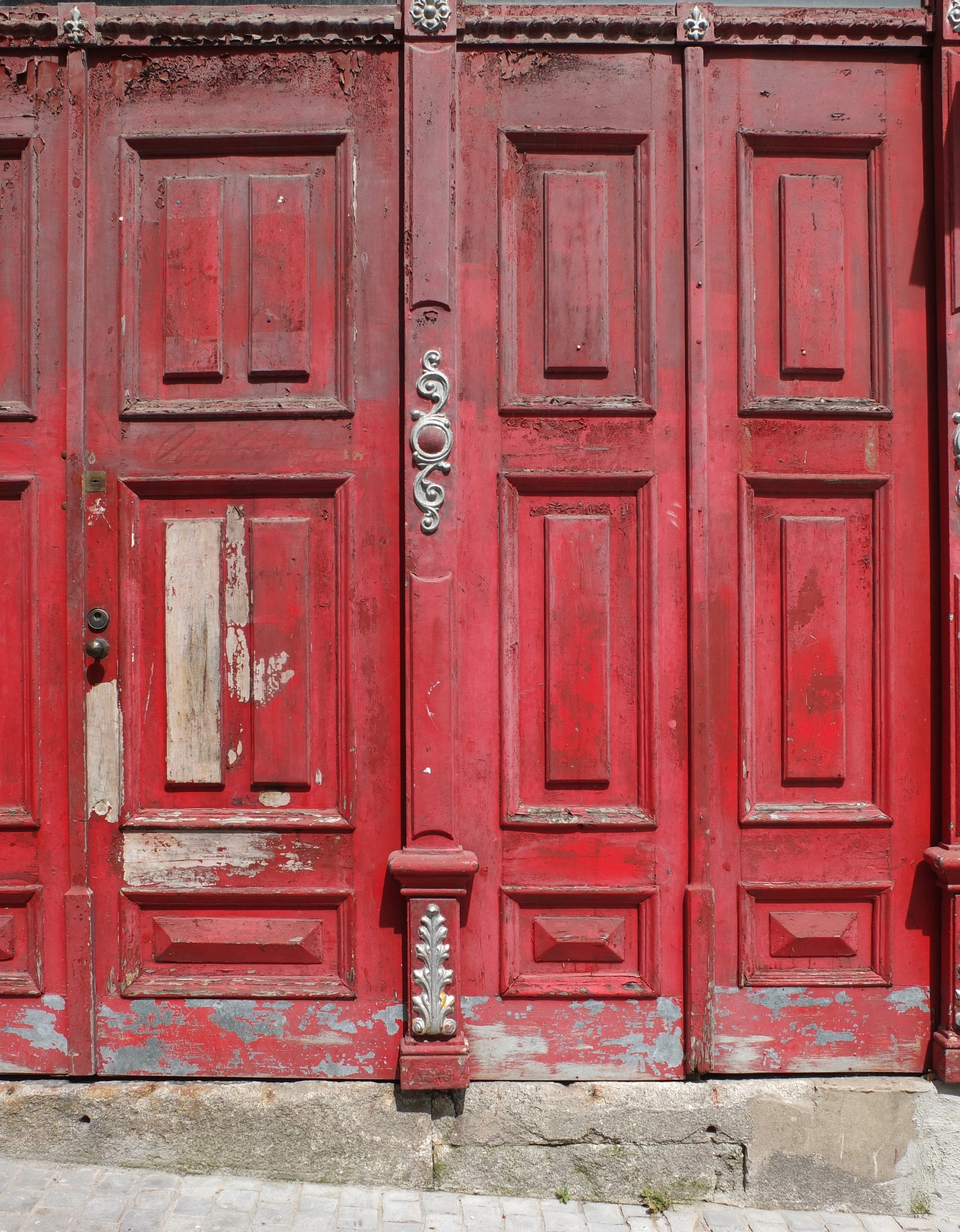
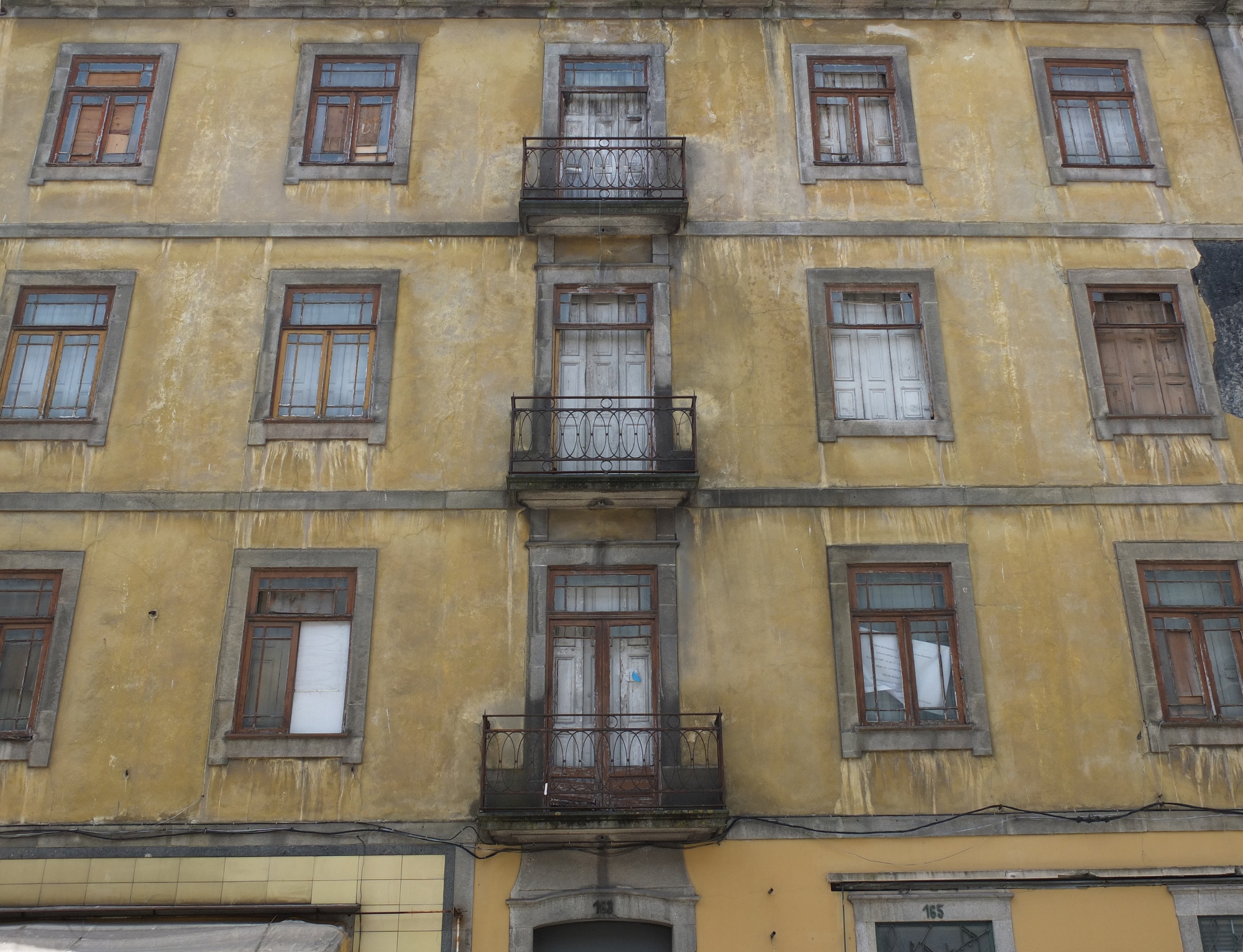
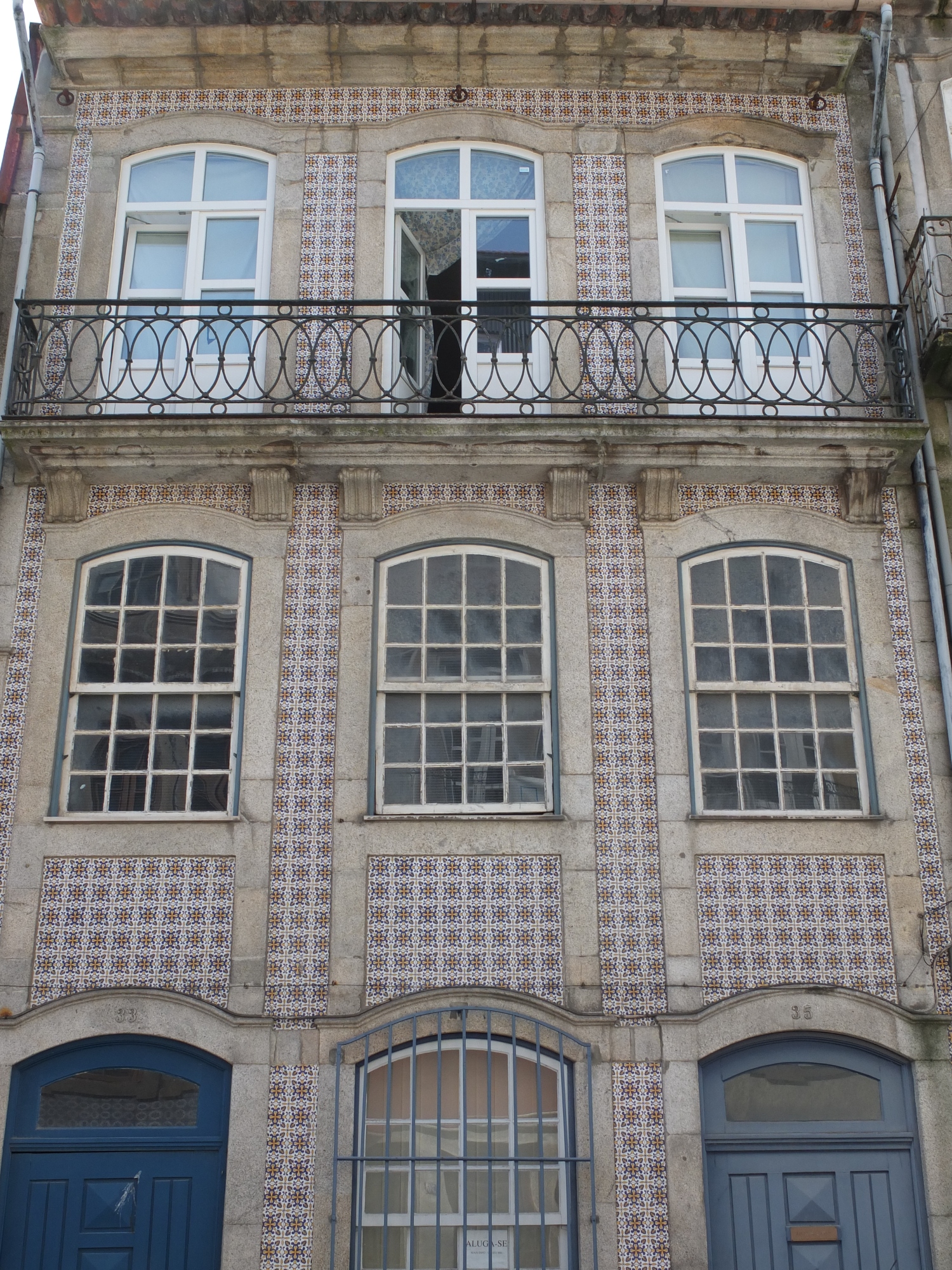
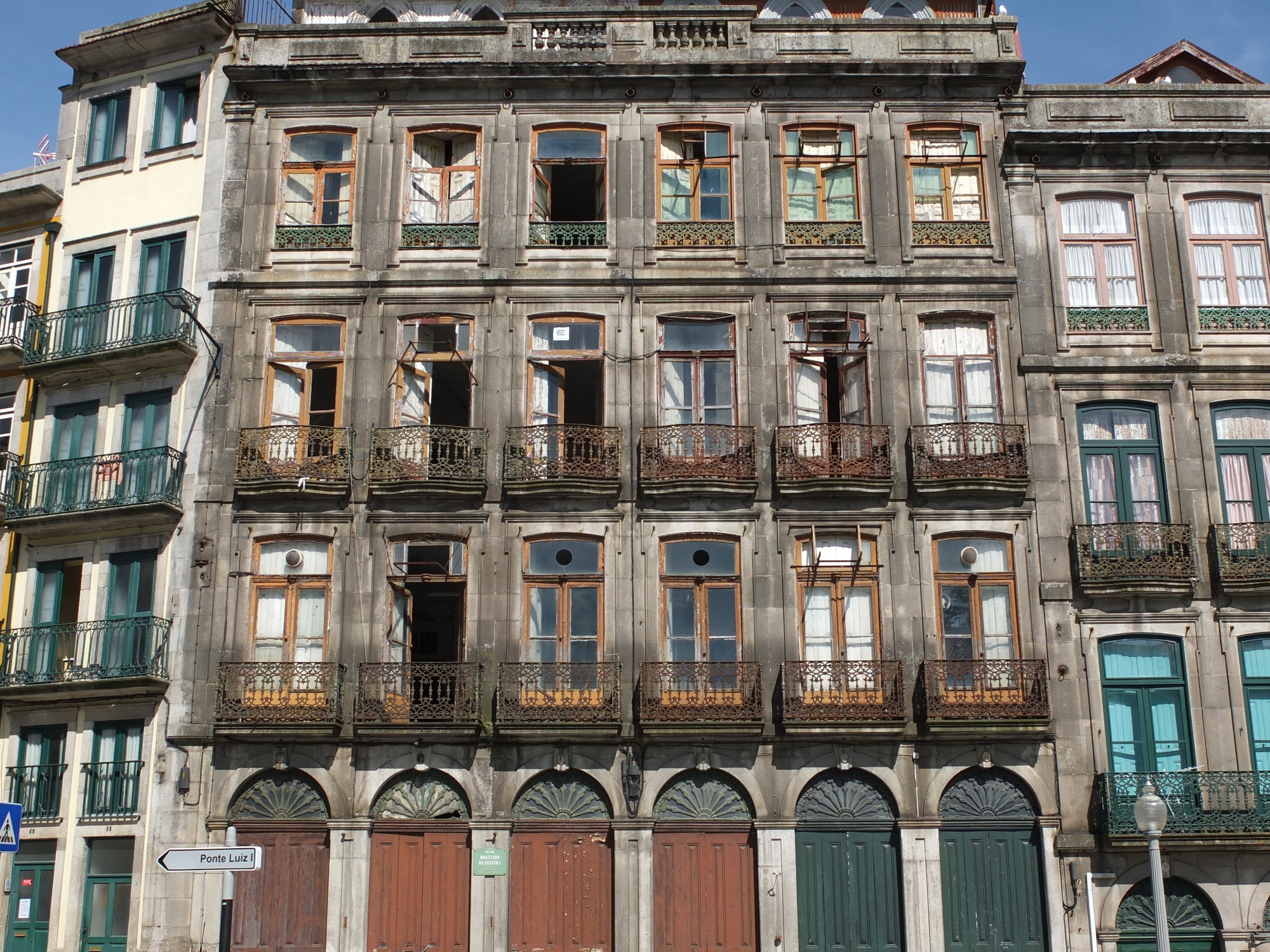
It was evident that this general part of town was once an important and affluent area, with nice architectural details (iron- and stonework, and decorative tiles), but much of it seemed rundown and tired. To tell the truth, a lot of it wasn’t very pretty, but I tried to see through the grime and deterioration to a former eminence. Mom didn’t. This was not her favorite city.
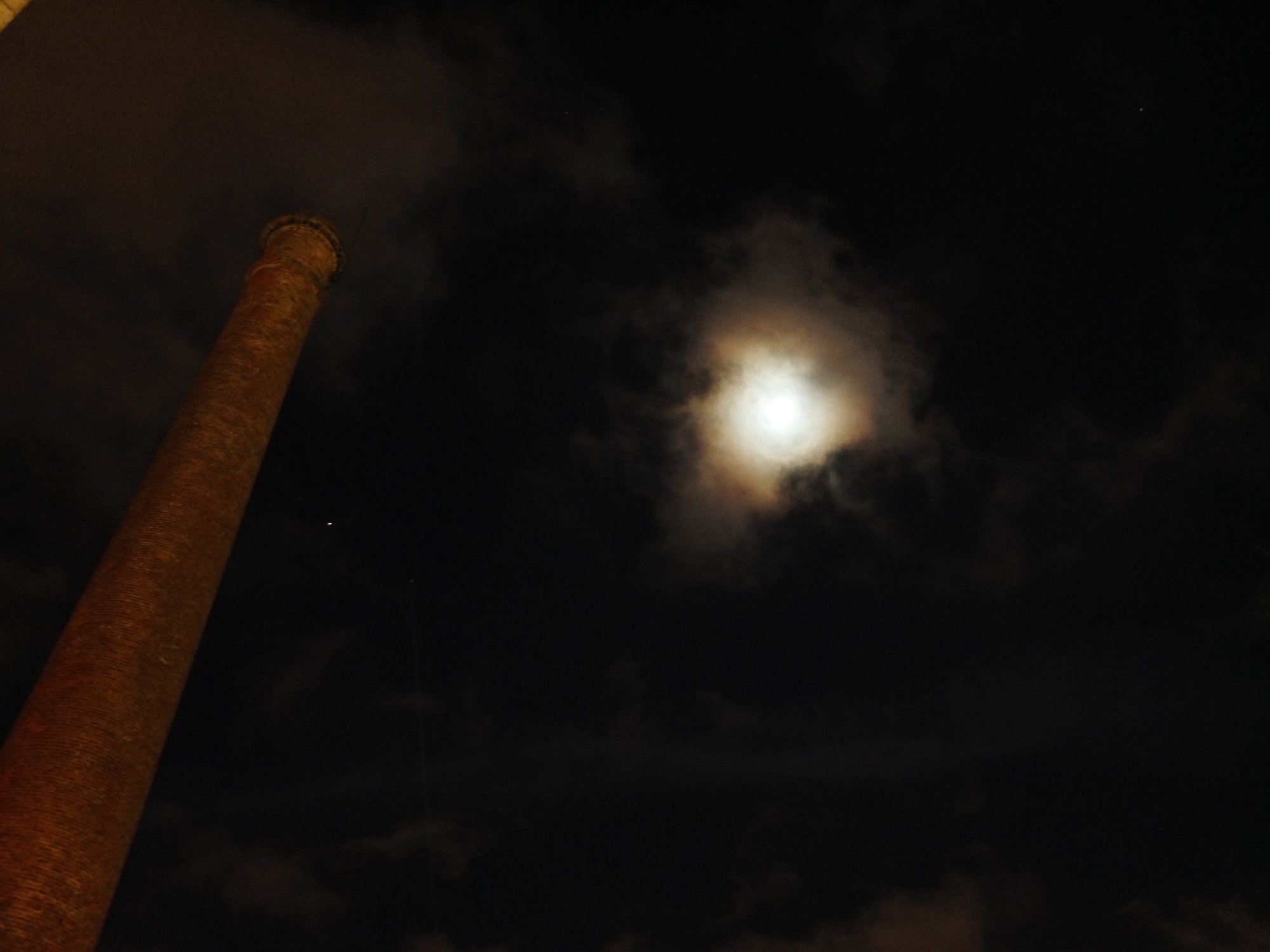
After a few hours of relaxing back at the pousada, we had a nice group dinner in a private room. Here is a gratuitous, good-night (sorry about the hyphen, but what would you have me do?) shot of the smokestack on our way back to the room (in the pretty [ughh] pink building):
Postscript on the language
So I had somewhat of a problem with Portuguese, the entire time in Portugal. Actually, the problem isn’t really with the language itself, it’s with me (or most Americans, I would suspect) and the language. There are two major difficulties: (1) It is too damn similar to Spanish; and (2) it is too damn dissimilar to Spanish. It is tantalizingly close to Spanish (however little or much you know) that you think you might be able to get a handle on things just by mapping a few pronunciations, articles, and word endings. But you would be wrong: the differences are substantial enough as to render any attempt at the “mapping” I just spoke of completely ineffectual in making your speech understood as Portuguese. I studied my Portuguese language guide/phrasebook in most of my spare moments the first couple of days in Lisbon, only to repeatedly make the same mistakes over and over when attempting to communicate: not pronouncing “s” as “sh” (always), not remembering the silent “e” at the end of words (always, again), not pronouncing “m” as “ng” (e.g. “bom dia” is actually spoken as “bong dia”, “sim” is “seeng”, etc.—I mean, what could be more obvious?), and not remembering that Portuguese appears to have been specifically designed to frustrate the hell out of rudimentary Spanish speakers in every other way possible. It turns out that forgoing any attempt at speaking Portuguese and just speaking bad Spanish works much better, throwing in random words or phrases of English, French, or German (or Dutch or Swahili or whatever) if/when your Spanish fails you, as needed for clarification. In other words, you should do whatever you need to so the people don’t try and interpret it as actual Portuguese. It is an ancient, mellifluous language; it just caught me off-guard in its difficulty if starting with a Spanish bias.
Gallego, Basque, and Catalan to come. Should be fun for me as well.
 semelinvita
1. Did you really write “Aw snap”?
2. Can’t lie – had to look up “mellifluous”
I had to look up “Aw snap”. Actually (and this is true), it was a small, surreptitious tribute to my college-bound nephew, who was the first person (only person?) I ever heard say it out loud.