Of course, this is not actually the rest of Portugal from a geographical, historical, cultural, or even tourism-and-travel point of view, but simply from my perspective, covering the remainder of our short (four-and-a-half-day*) visit to the country.
After Lisbon, we stopped off at the cute little fortified town of Óbidos. It is inherently quaint and well-preserved, though completely overrun with tourists, Through the city gate, we walked down the main street, which passes by one of the two main churches and ends at the other. Our guide bought us all shots of Ginjinha (or just, Ginja), which is a sour cherry liqueur, served in chocolate cups. Very charming. Unfortunately, there are at least 20 places, practically all lined up, intermixed with cookie-cutter tacky gift shops (and also one or two nice artisan shops), and about a thousand tourists squeezing to get by you as you drink your Ginja, so the charm wears off quickly. Here are a few pictures to give you a taste of the town (if you can photoshop-out the modern-day lamps, antennas, roadways, etc. in your mind):
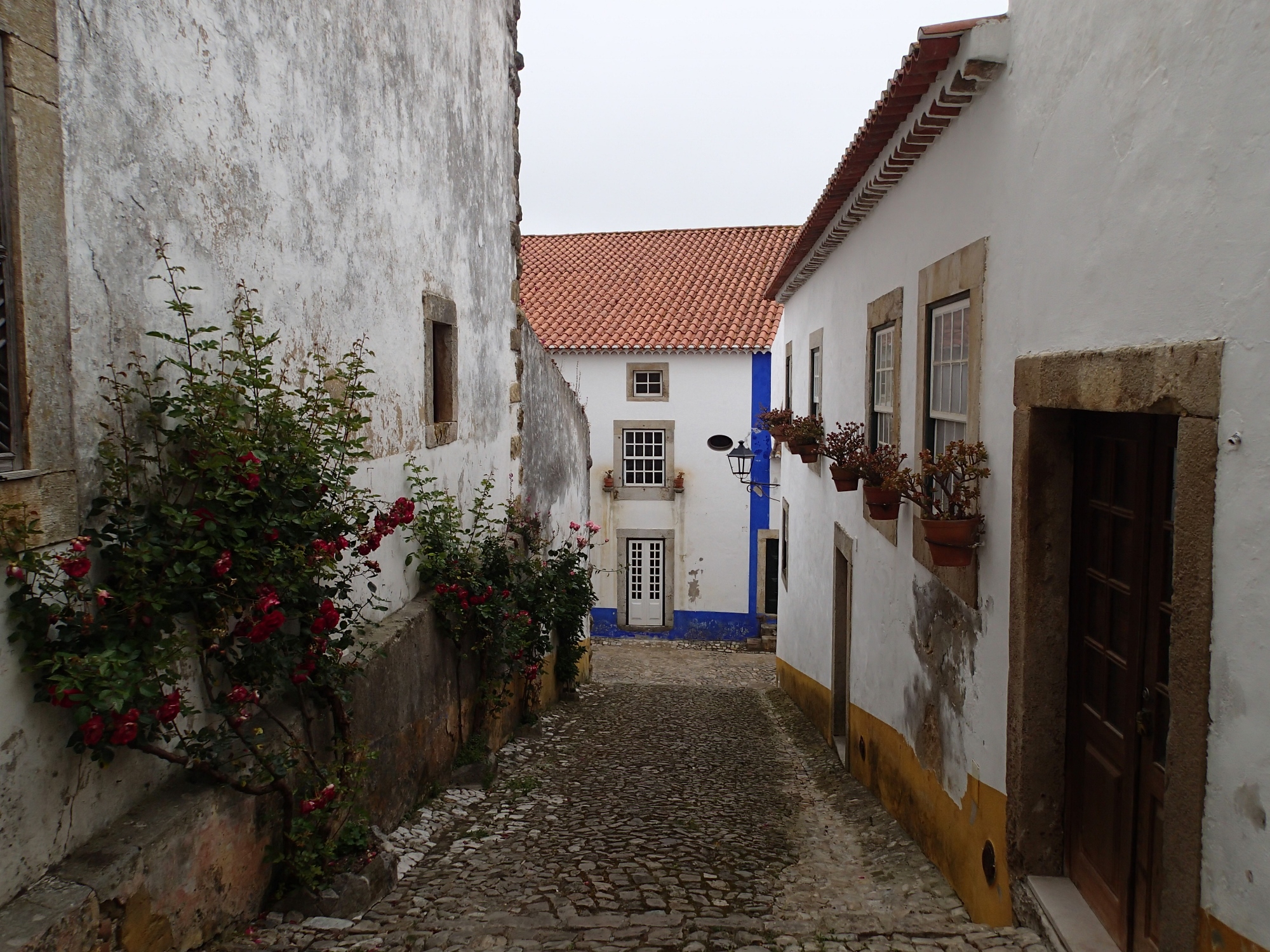
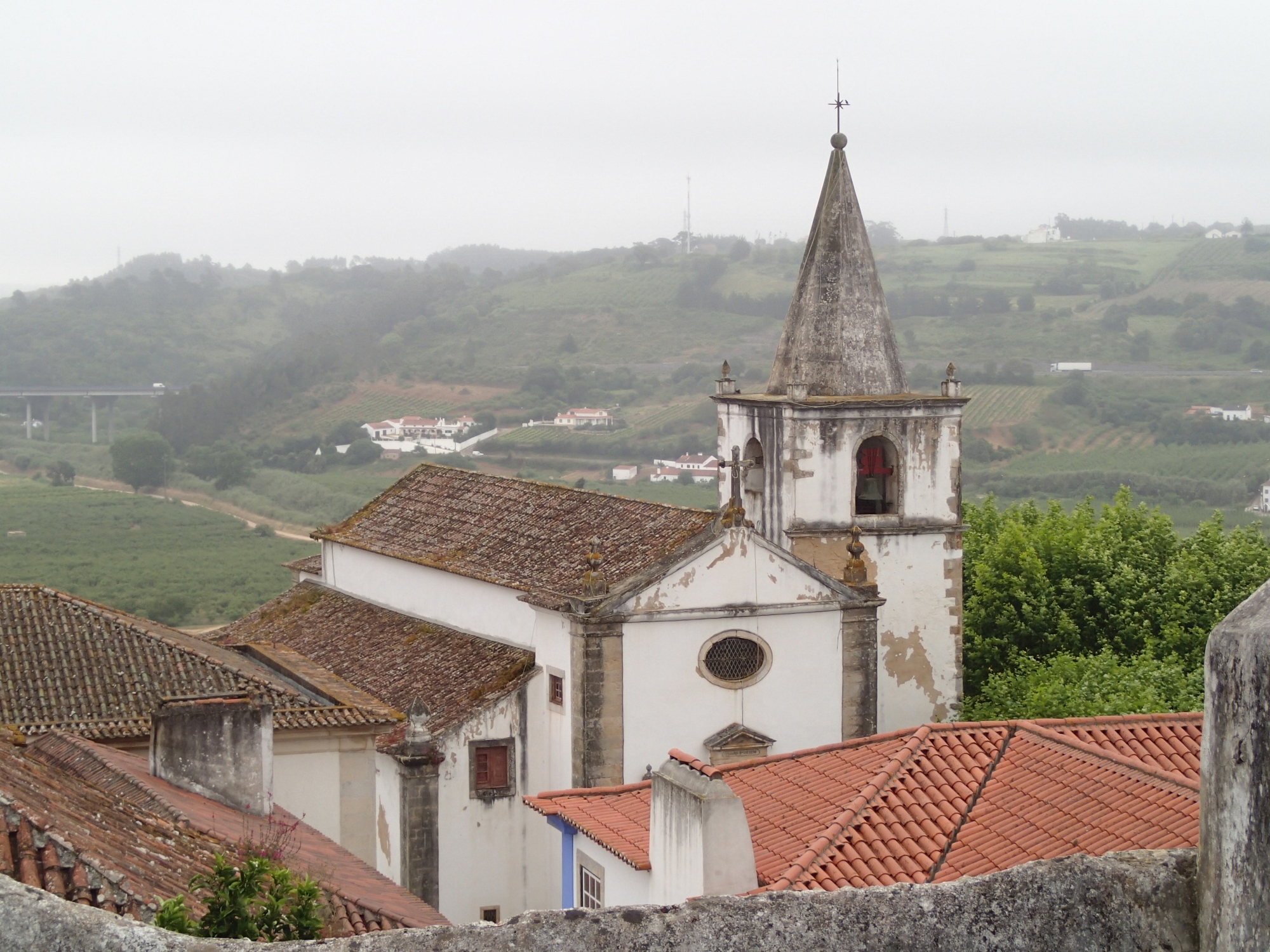
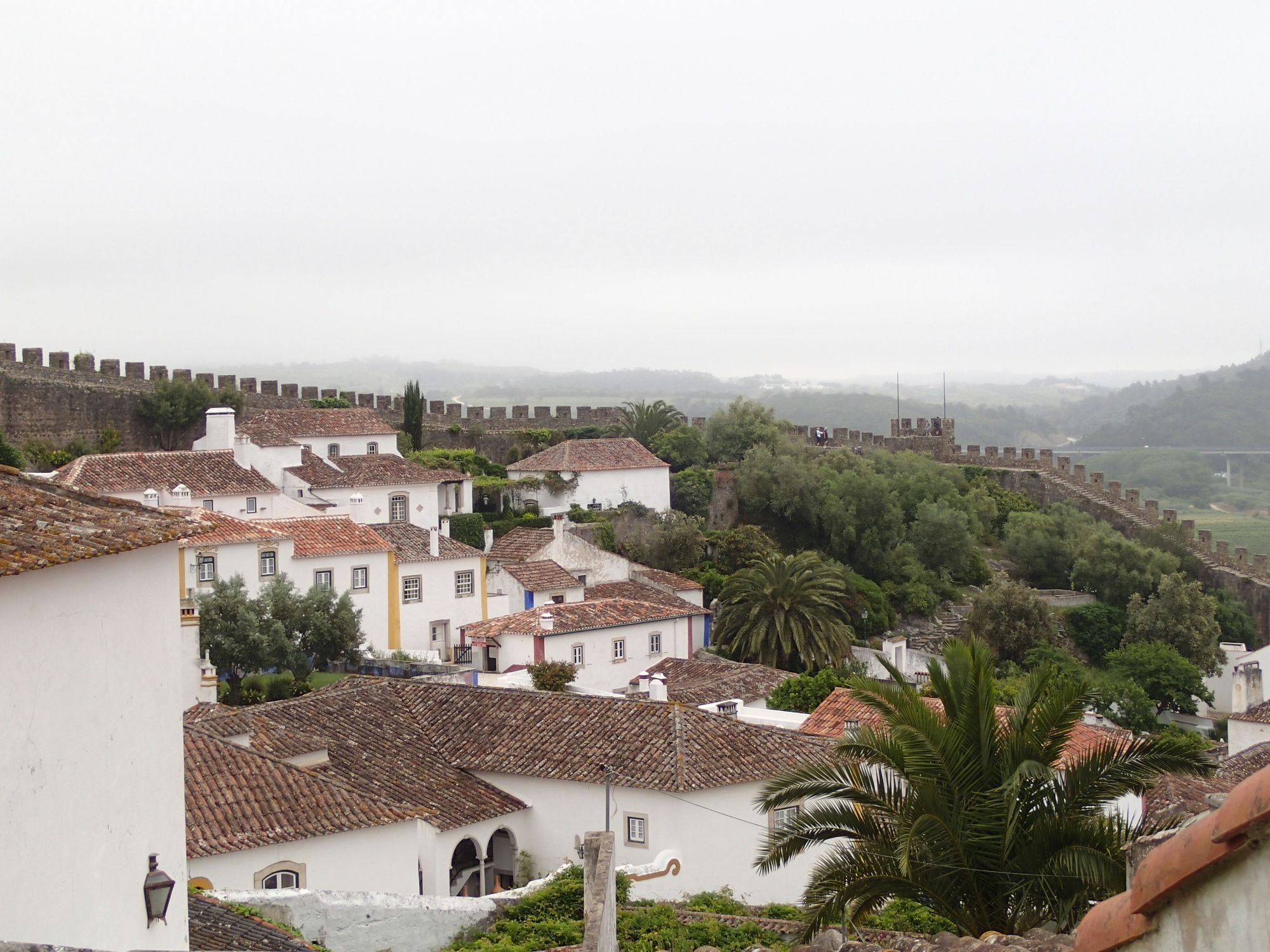
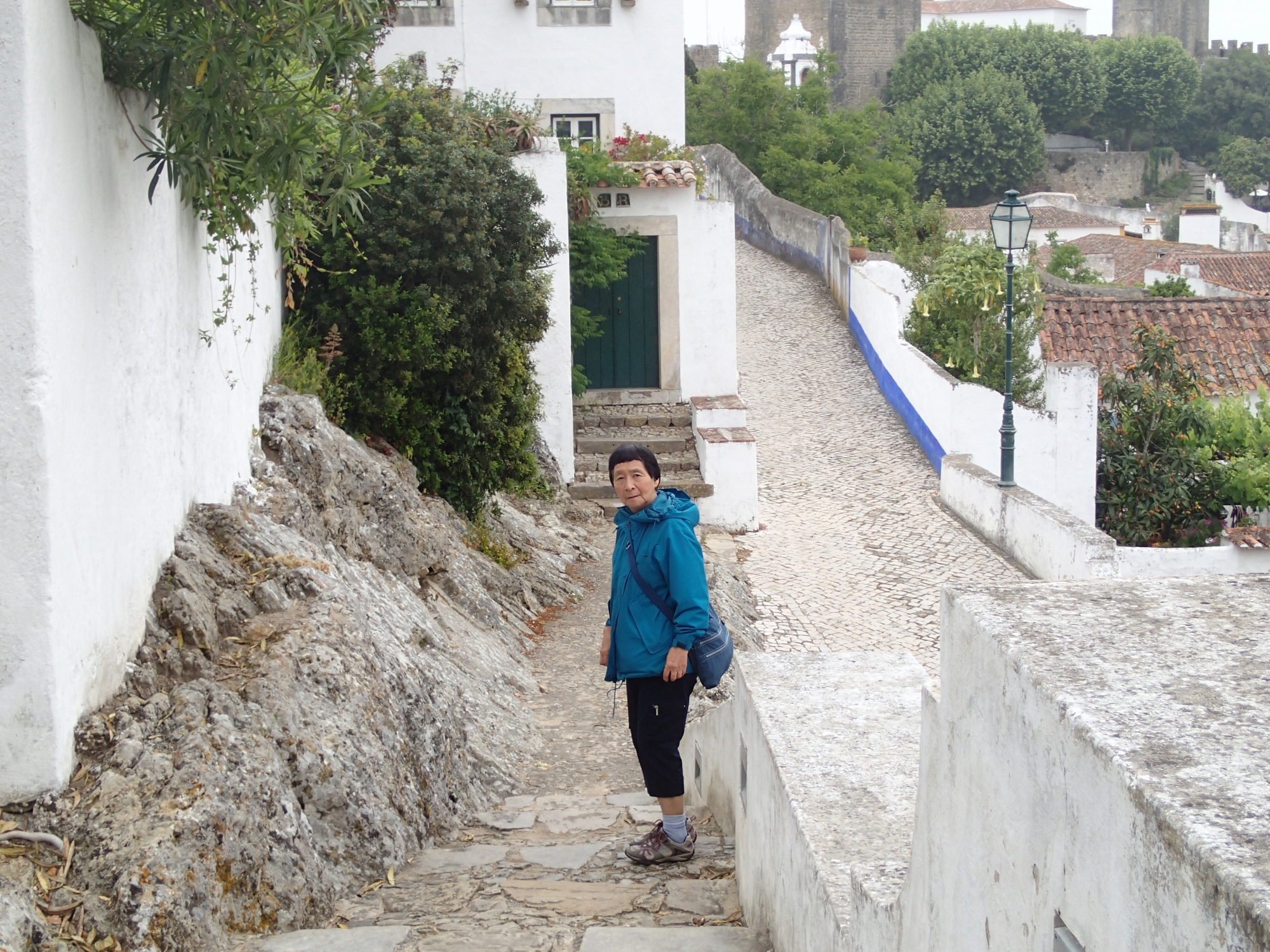
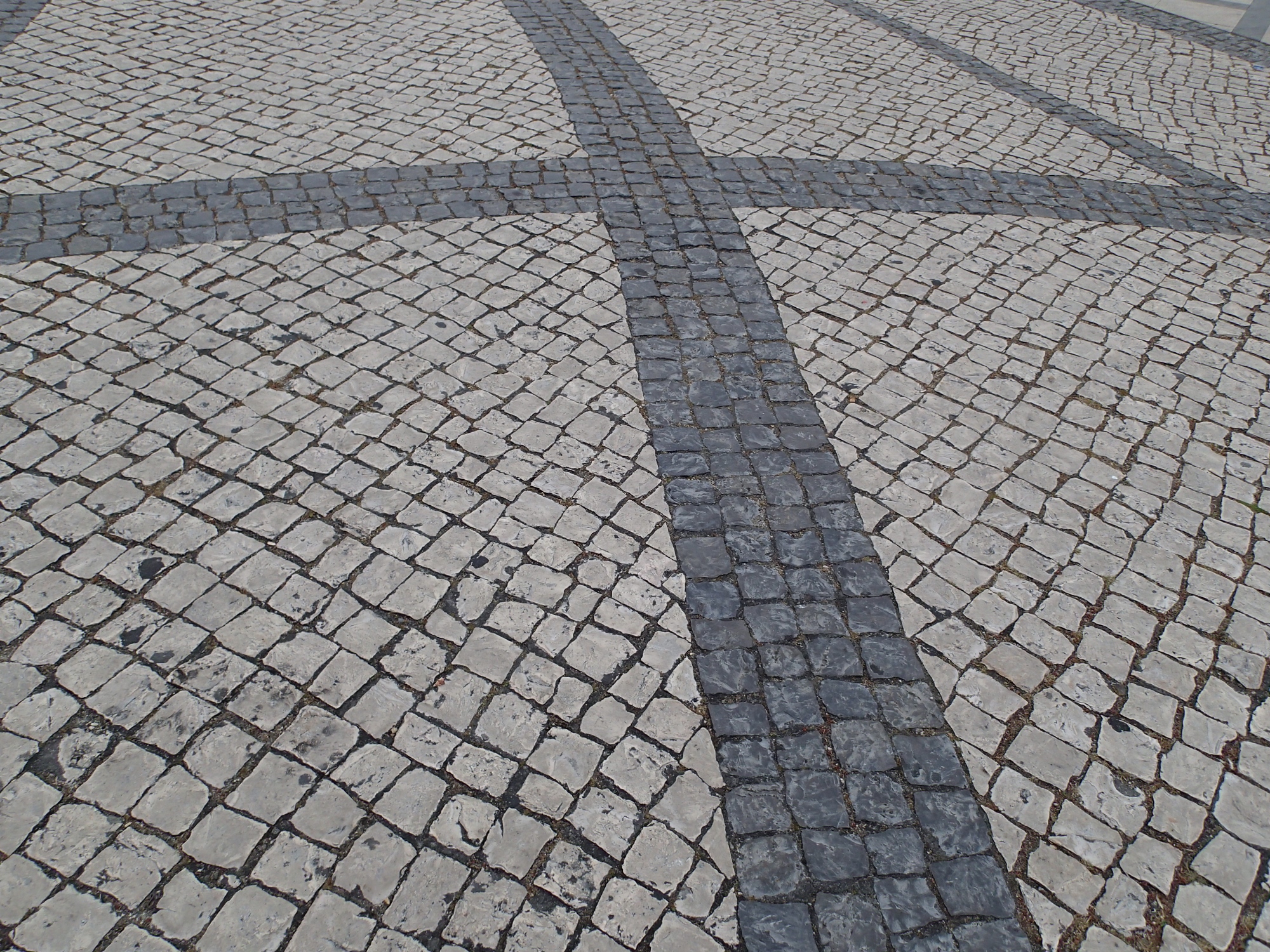
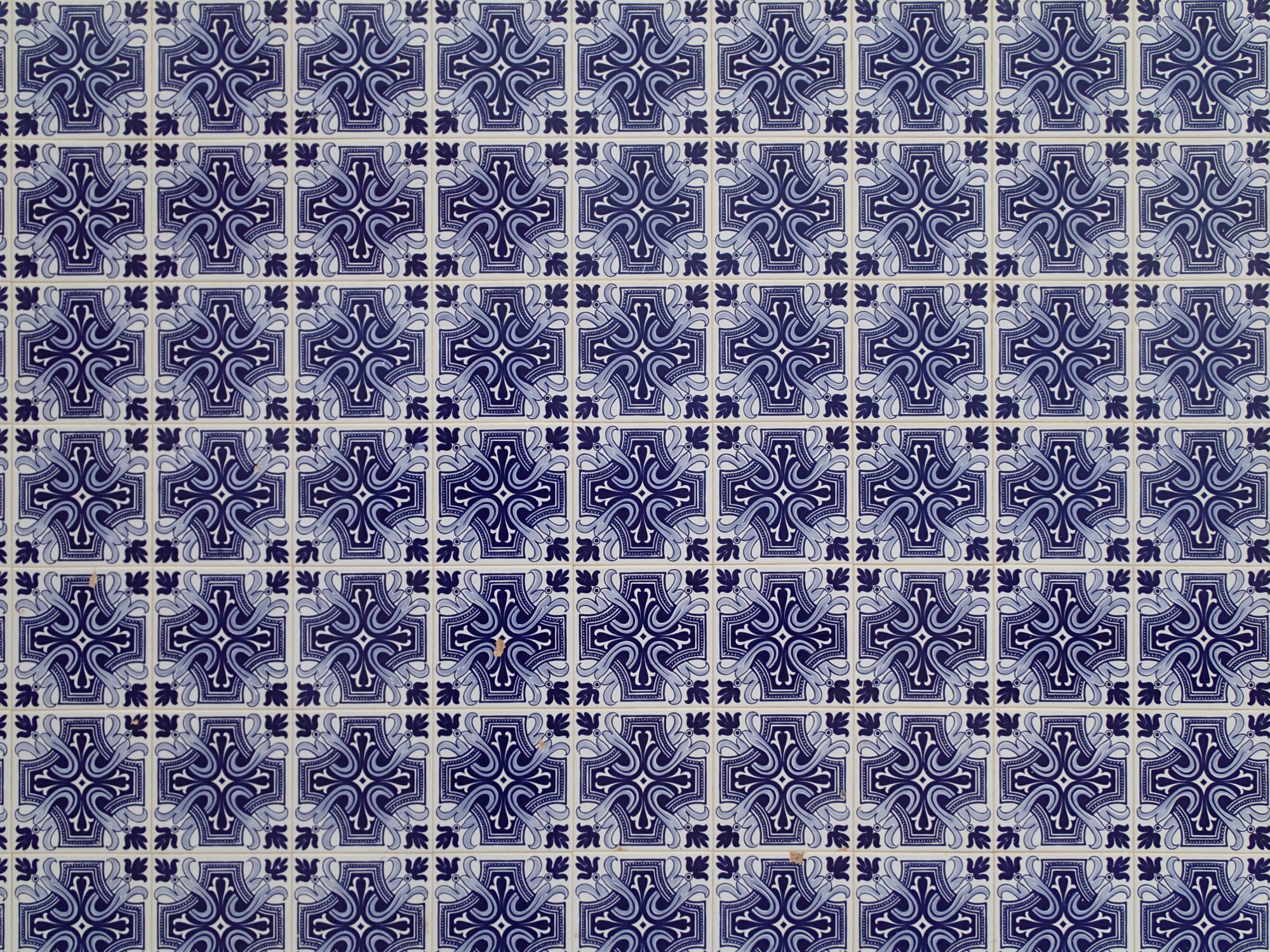
This little gallery includes some of the perfunctory tourist shots that I had promised to cut back on, so I will have to make it up later with even more weird, abstract, obsessively-compulsively-symmetrical, where’s-the-damn-landmark(?!?!) photos.
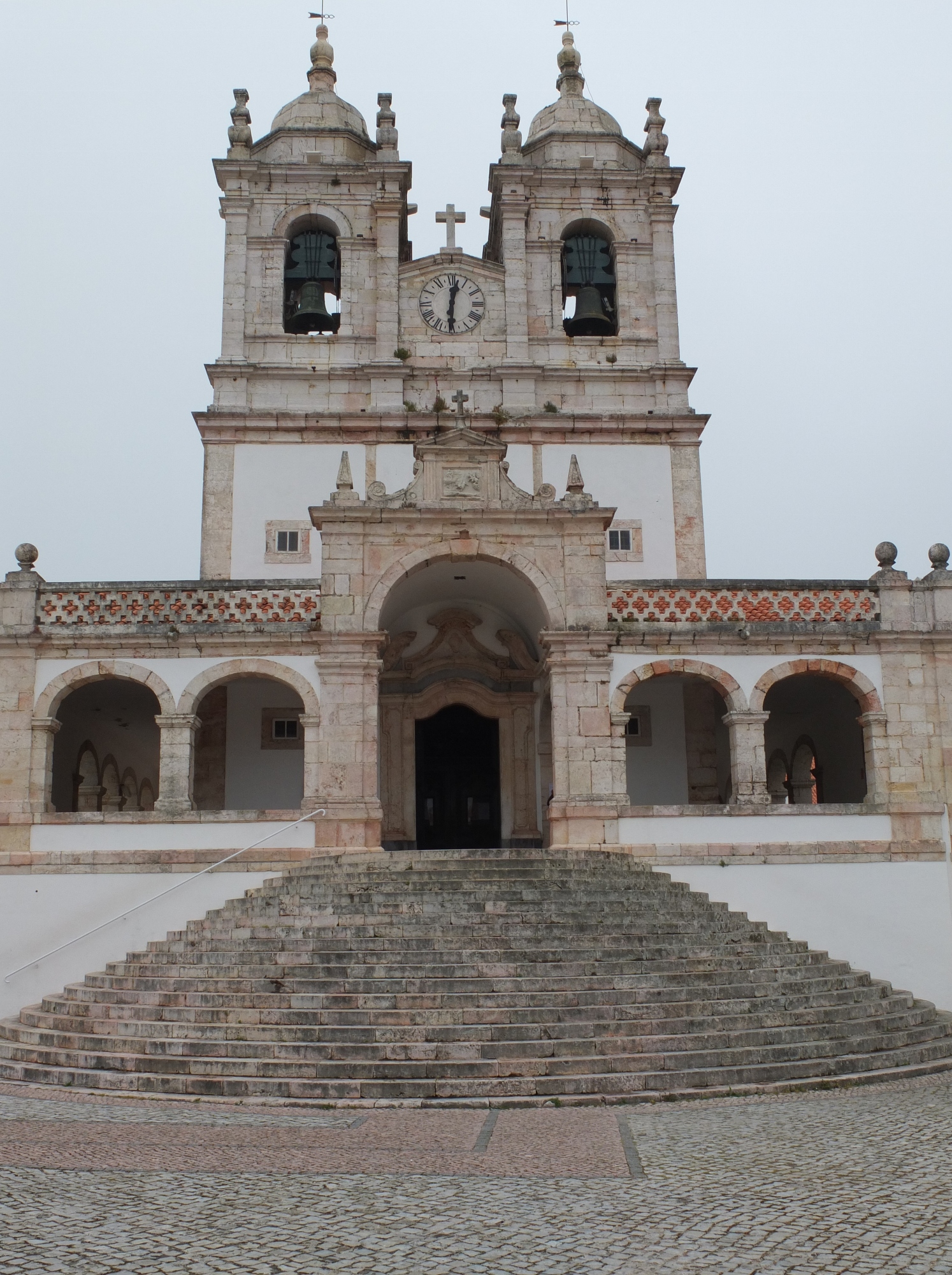
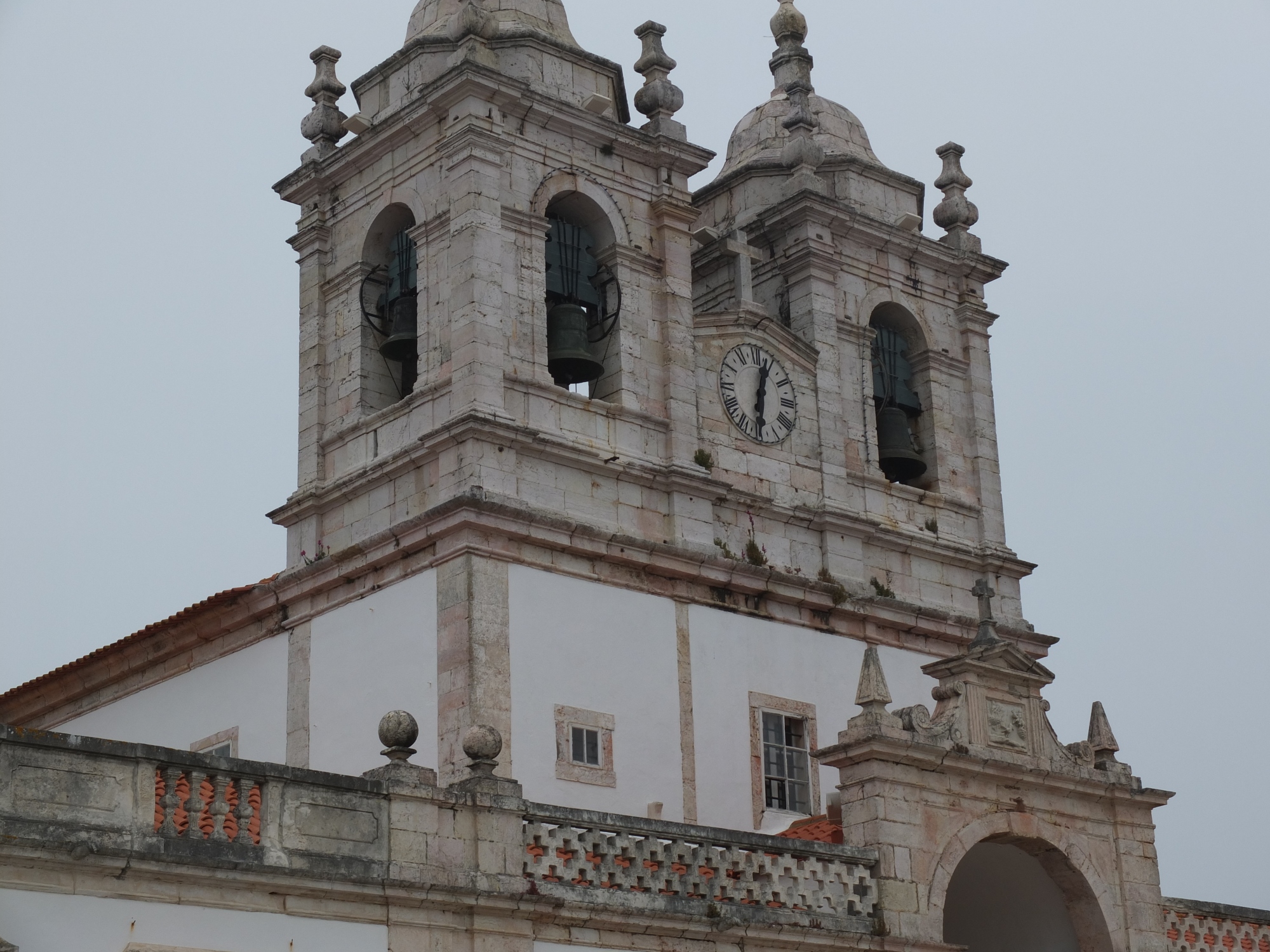
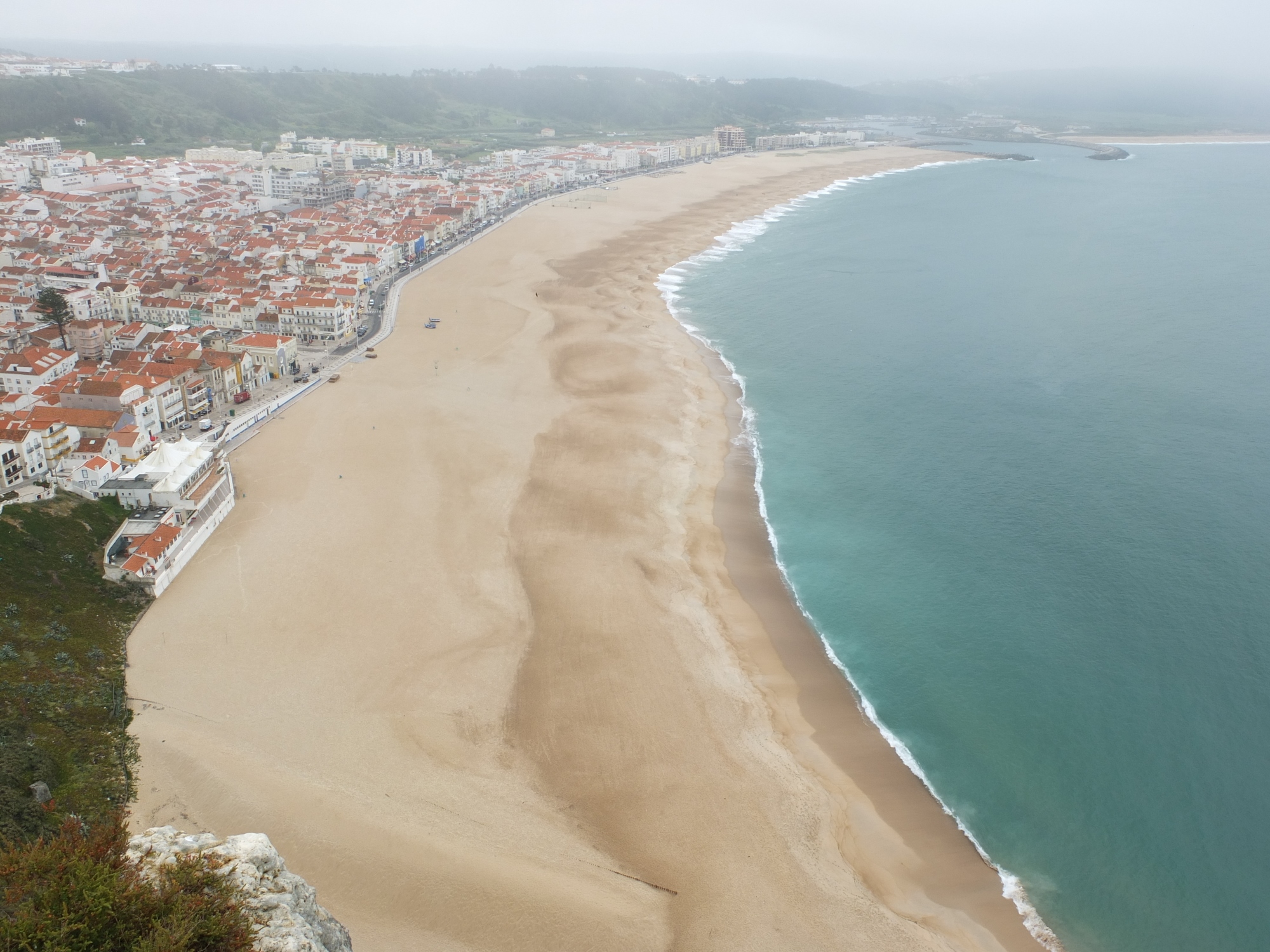
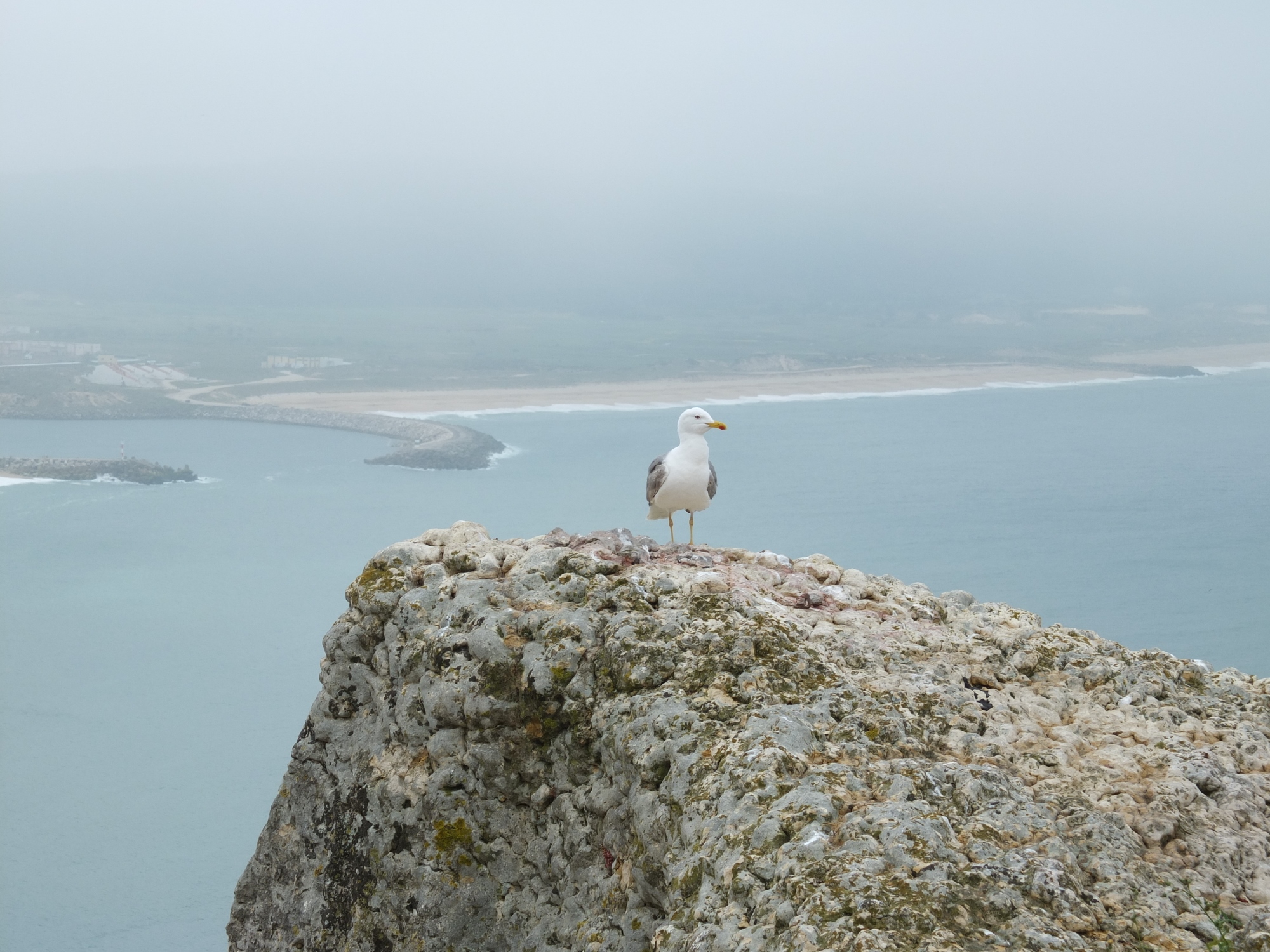
The next town we stopped in was Nazaré, which is a very popular beach town. But this was the off-season, so it was very empty and quiet. We first climbed to the area known as O Sitio, a high vantage point overlooking the beach (and when I say “we”, I mean: a bus and a diesel engine doing all of the actual climbing, and then us people sitting in cushy coach seating), where the legend of the Black Madonna (contributing the town’s name) was said to have transpired. Here is are several obligatory touristy shot of the church (of the legend) and the wide sandy beach below, along with some stupid pictures of a bird preening on a rock (this is a form of self-flagellation, since I don’t really like birds, unless dead on a plate, accompanied by fresh morels, and drizzled with an aromatic veal stock reduction):
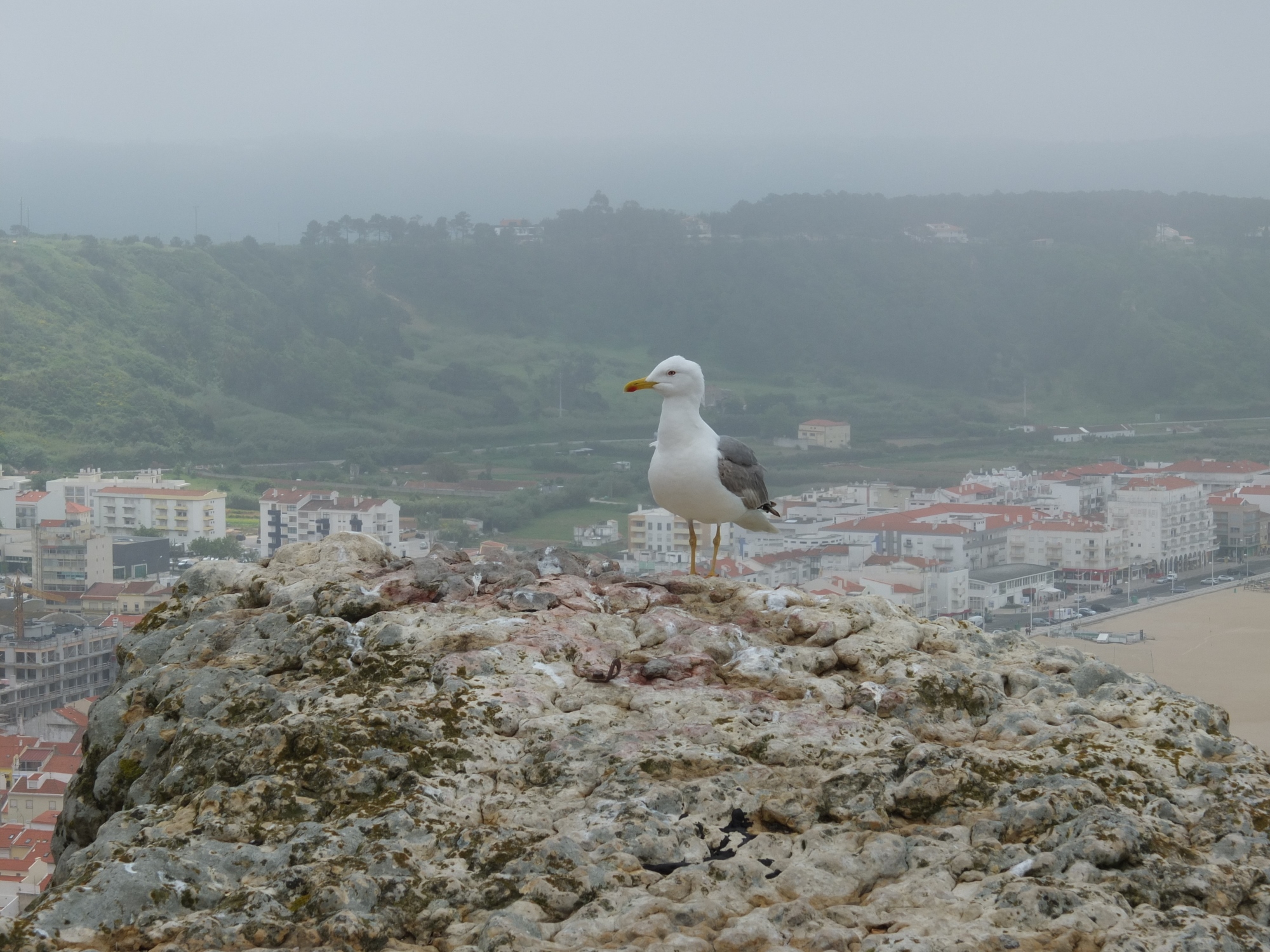
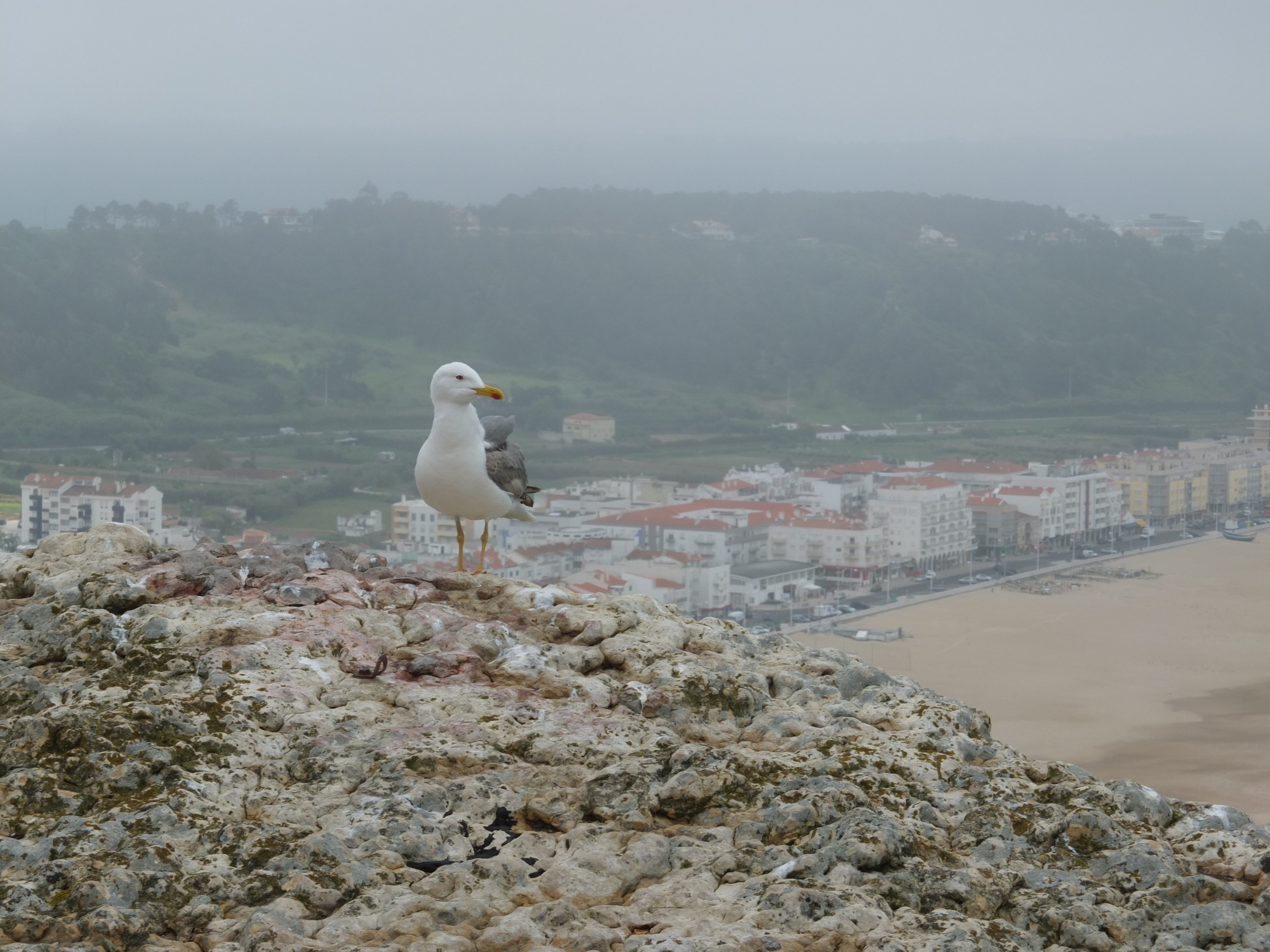
Here’s one more as down payment for the next banal postcard shot I post:
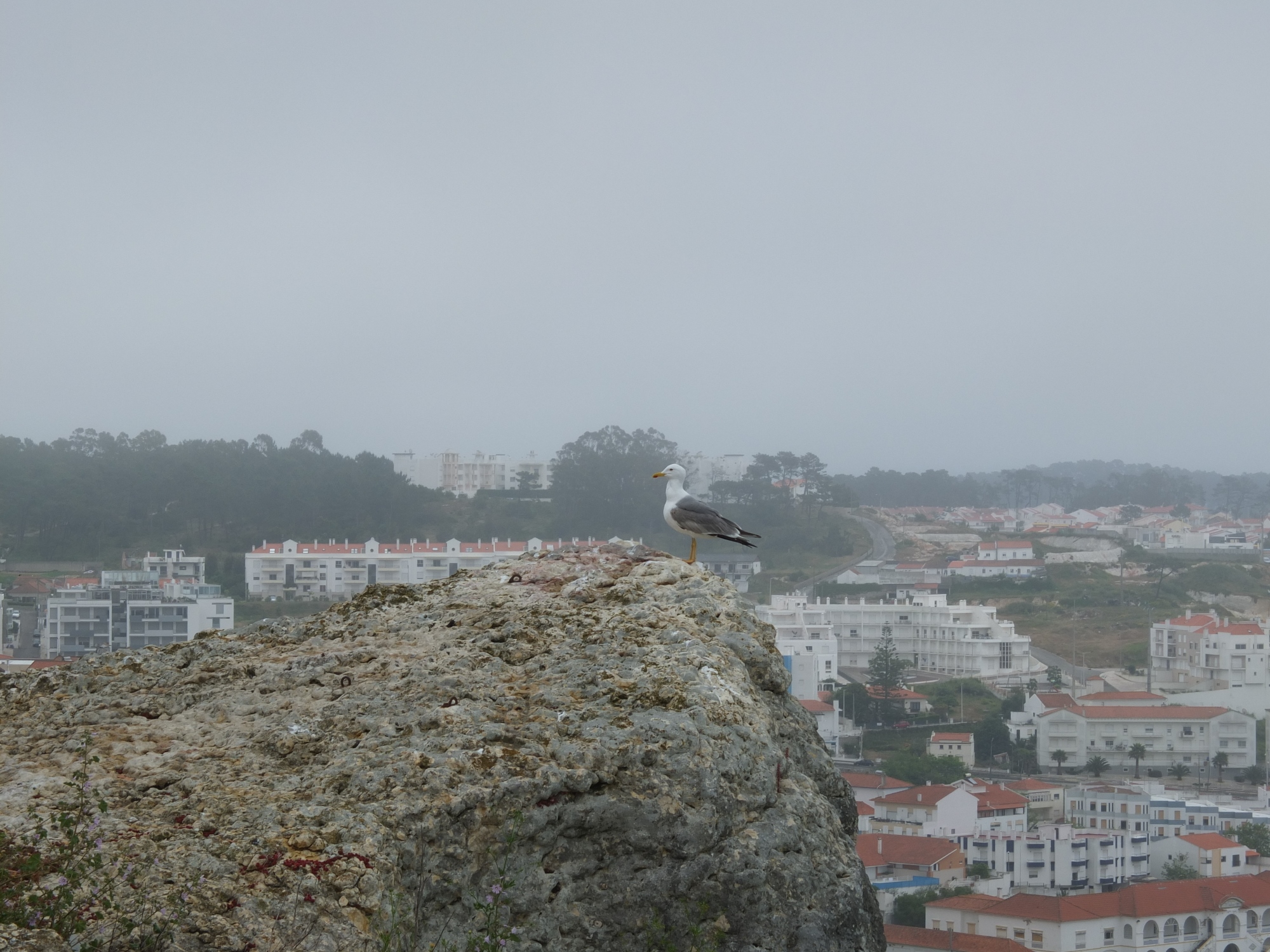
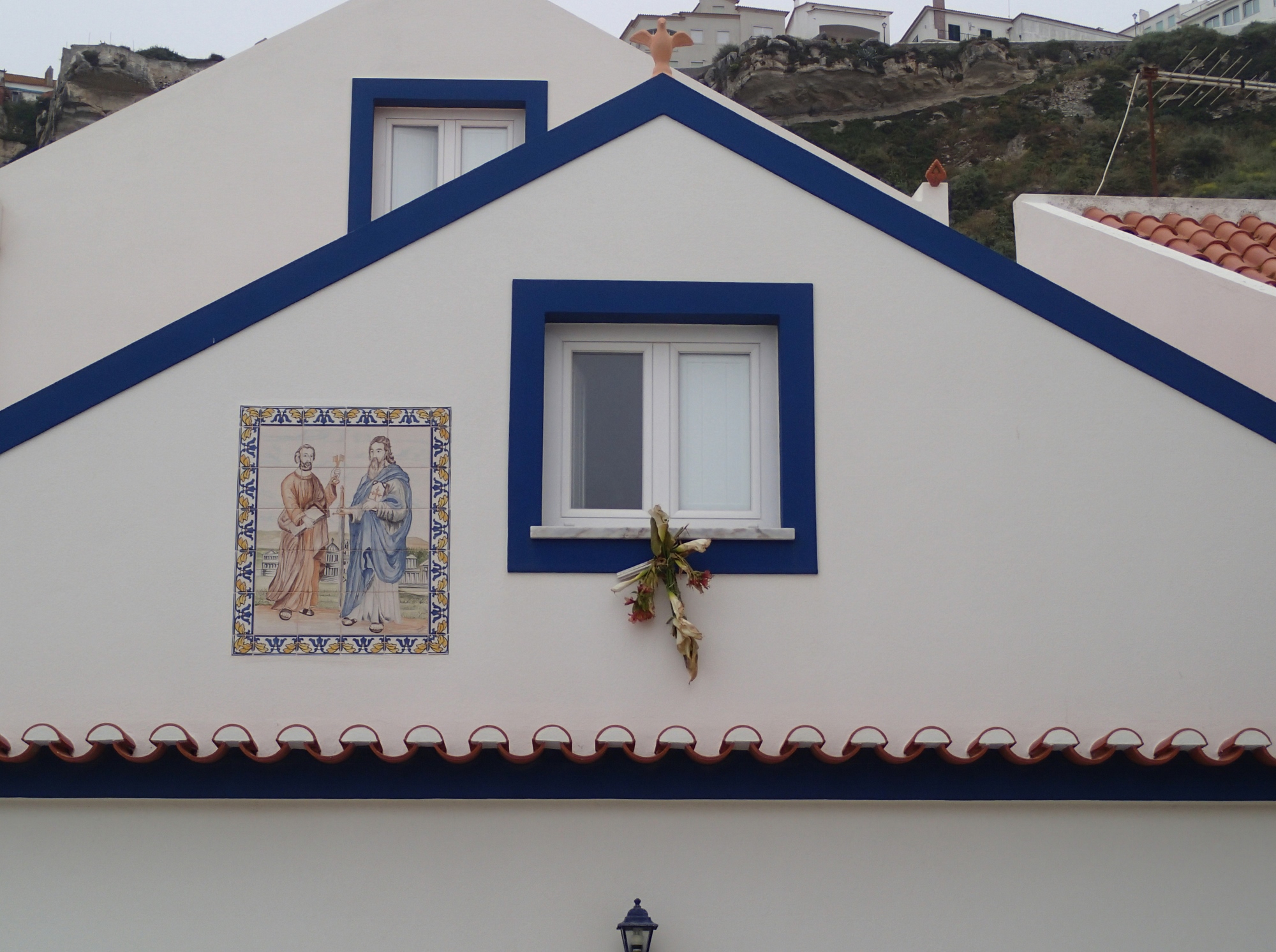
Mom and I had a nice lunch down in the town, after which we walked around looking at some of the buildings. There were actually some nice architectural details, though there were also formerly-nice** old buildings, with great locations right on the beach, that have been shamefully neglected and have fallen into varying states of dilapidation:
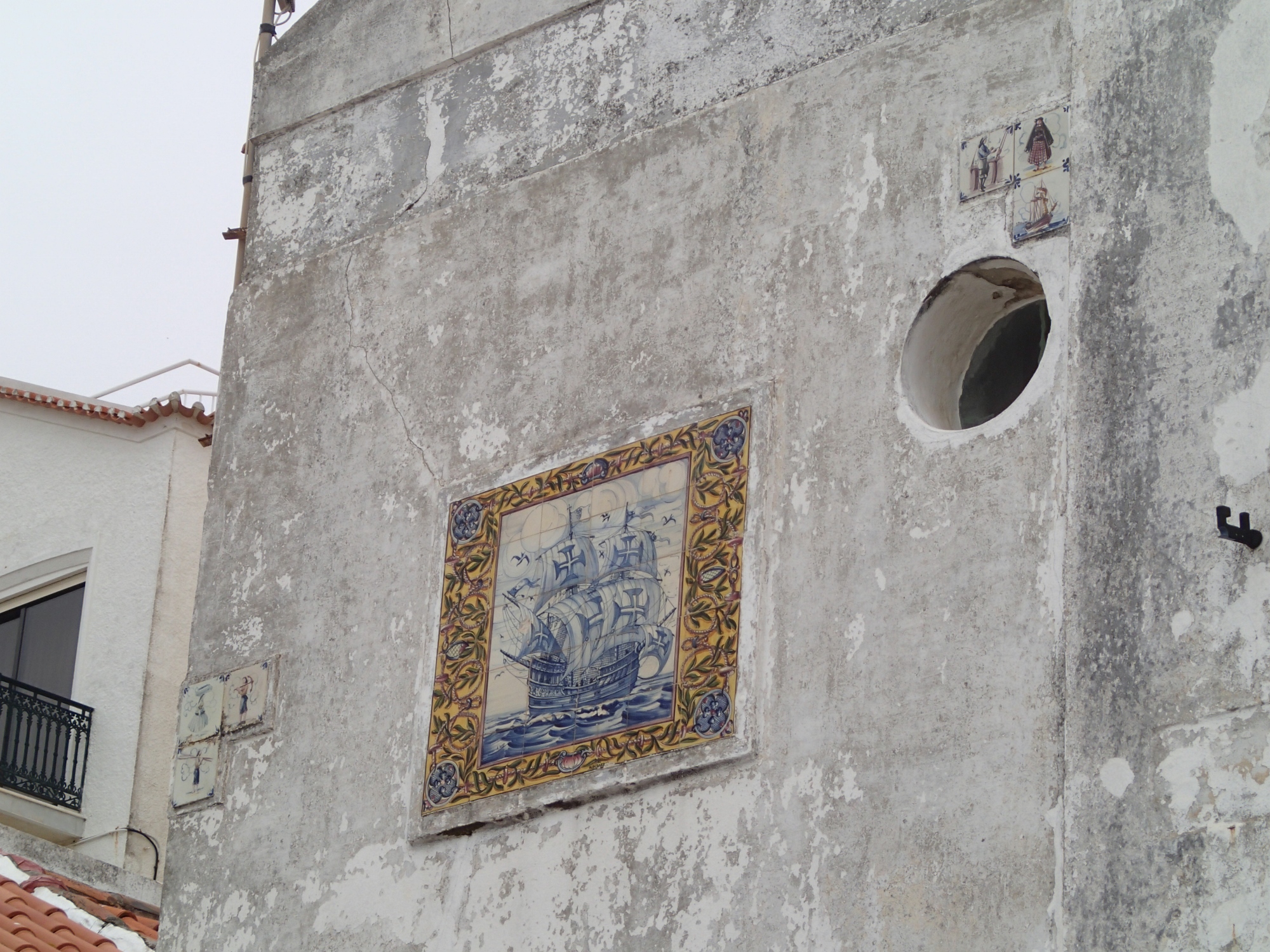
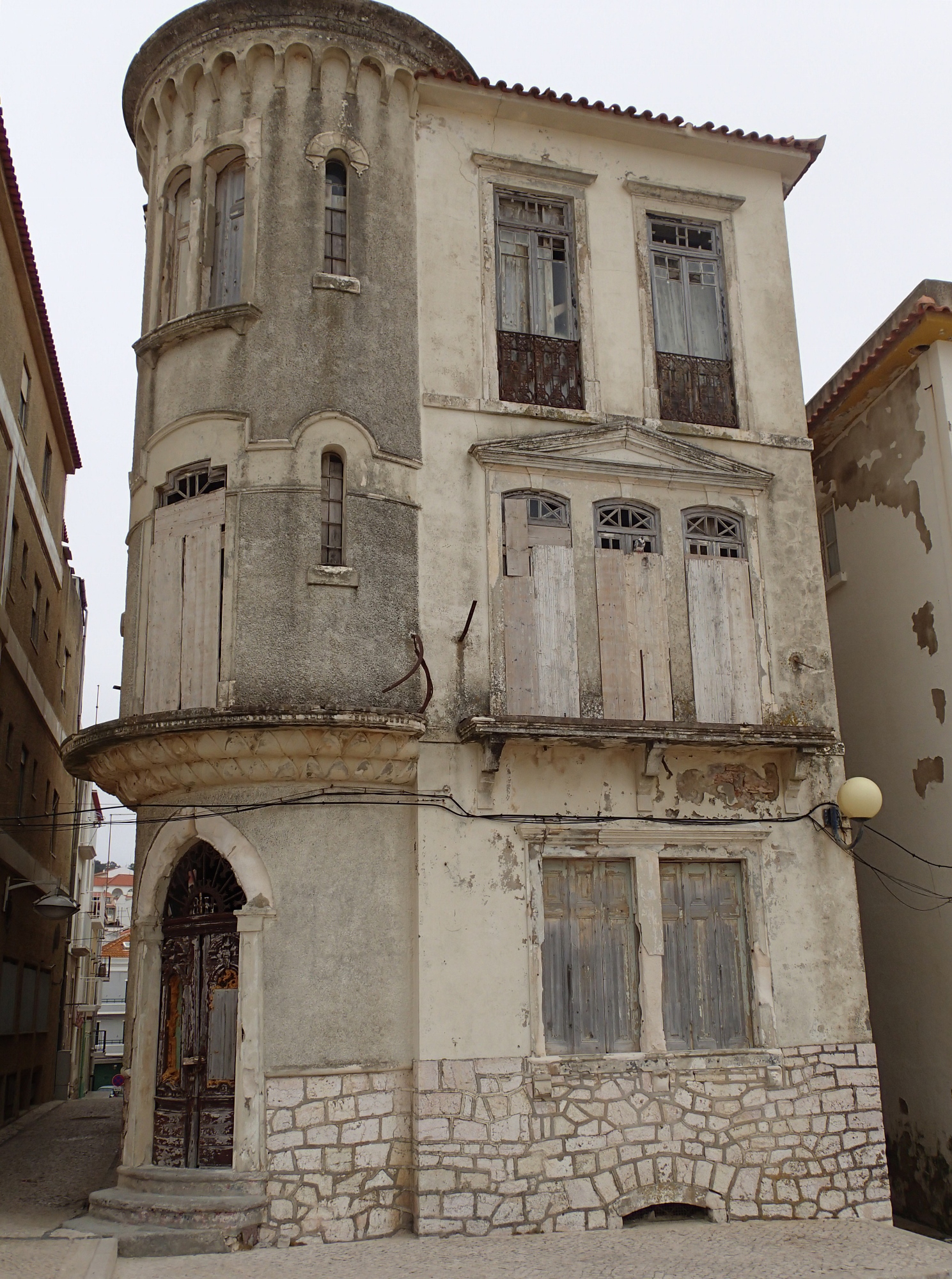
I’m actually going to have to break this topic into two parts, since the internet is kind of flaky right now and I am having trouble uploading the rest of the pictures (I’m embarrassed to say where we are, since it will show how far behind I am). So I’ll have to leave you hanging, for now, to contemplate the aptness of the title of this post.
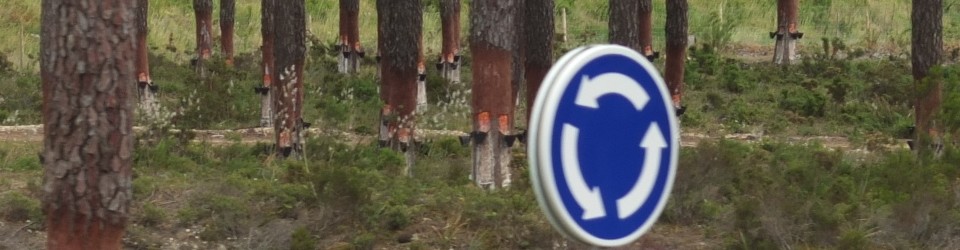
Actually, to tide you over, you can also contemplate the symbolism behind the blue arrow in this picture of a typical windmill, taken from the bus in the countryside between Lisbon and Porto:
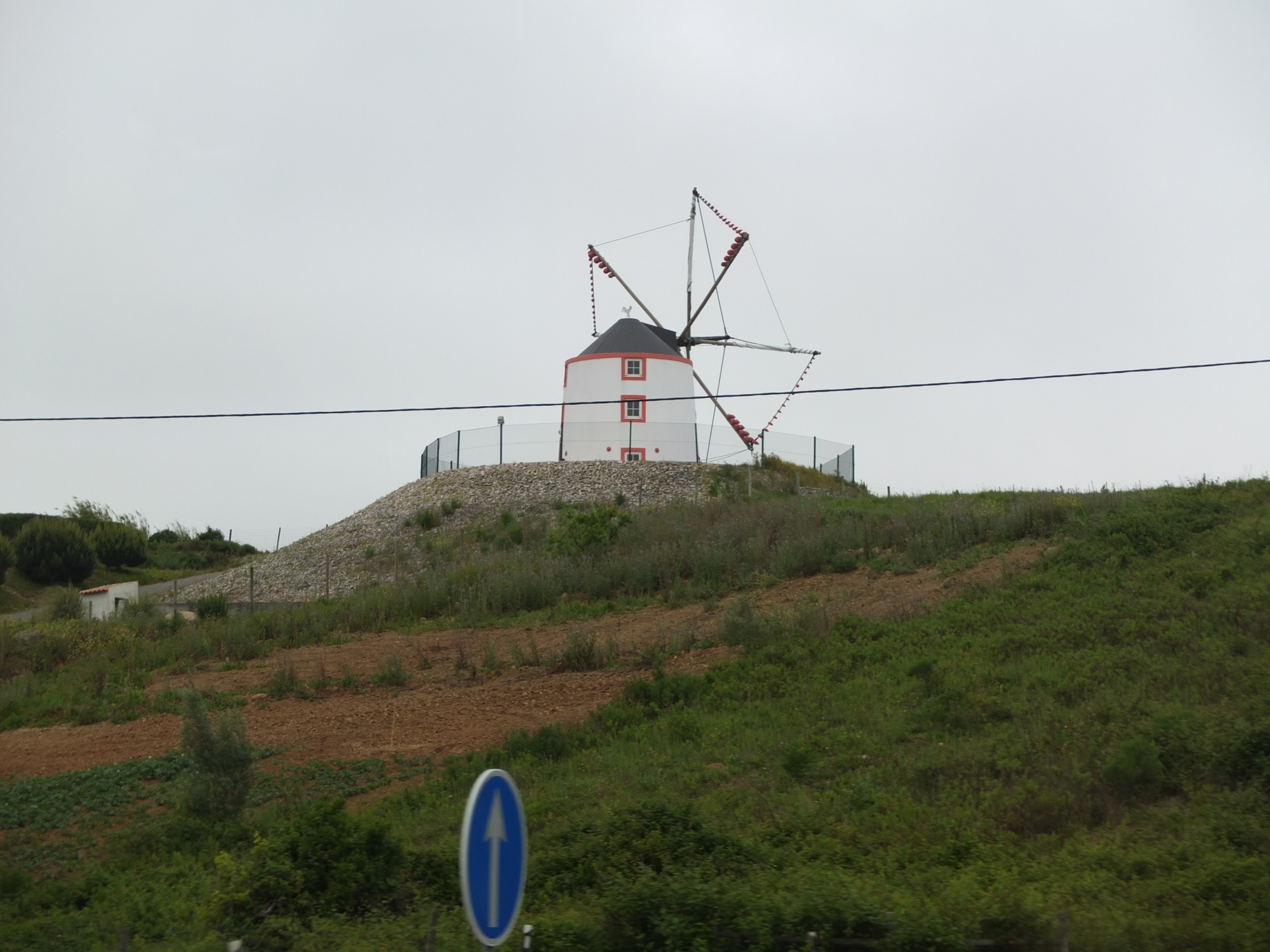
It’s got to be there for a reason.
* How many people agree with me on the hyphenation here? Those of you who do, would be correct. [Though the comma in the previous sentence is debatable.] [As is the structure of the previous sentence.] [As is the structure of the previous sentence, as well.] [As is the general use of brackets here.] [I think I’ll stop now.]
** Though I didn’t intend for it to be this way, inordinate hyphenation seems to be a running theme in the entry today. Sorry about that. Maybe I’ll try for zero hyphenated adjectives (and other parts of speech) in Part 2.
 semelinvita
Not-a-fan
I suppose “four-and-a-half day visit” (your presumed preference) qualifies under The Chicago Manual of Style (“Where no ambiguity could result, as in public welfare administration or graduate student housing, hyphenation is unnecessary”), but let me mount a defense here. Consider the plural: “four-and-a-half day visits”. Does this signify visits that are four-and-a-half days long, or four-and-a-half visits of one day each? Ambiguity. Thus, intending the former: “four-and-a-half-day visits”. I argue (not vehemently, though in the name of order in the universe [or is that order-in-the-universe? haha]) that the same construction should apply to both plural and singular. Order in the universe.
By the way, use “not-a-fan” in a sentence. [And I know what you’re going to say.]