Tag Archives: portugal

Porto and the Rest of Portugal (Part 2)

cropped-dscf3210-1000x745.jpg

Well, we had a string of four accommodations with bad-to-nonexistent internet connectivity (last ten days of the trip), which prevented me from uploading pictures, so now I have some serious catching up to do. Picking up where we left off: getting into Porto…

In Porto we stayed at the Pousada do Porto on the Douro River, which used to be an estate house, built by an Italian architect in the eighteenth century.
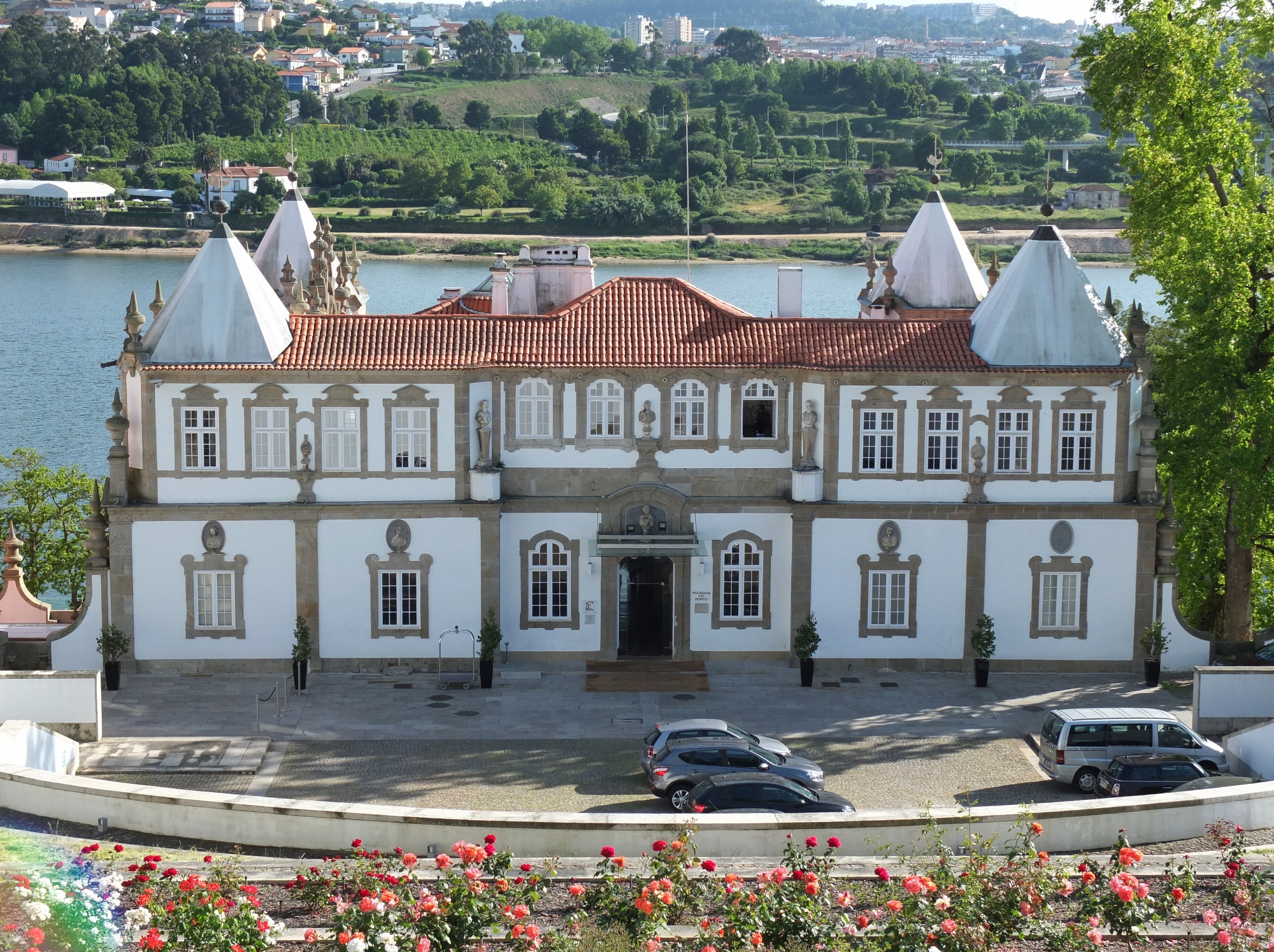
DSCF3483 (2000x1495)

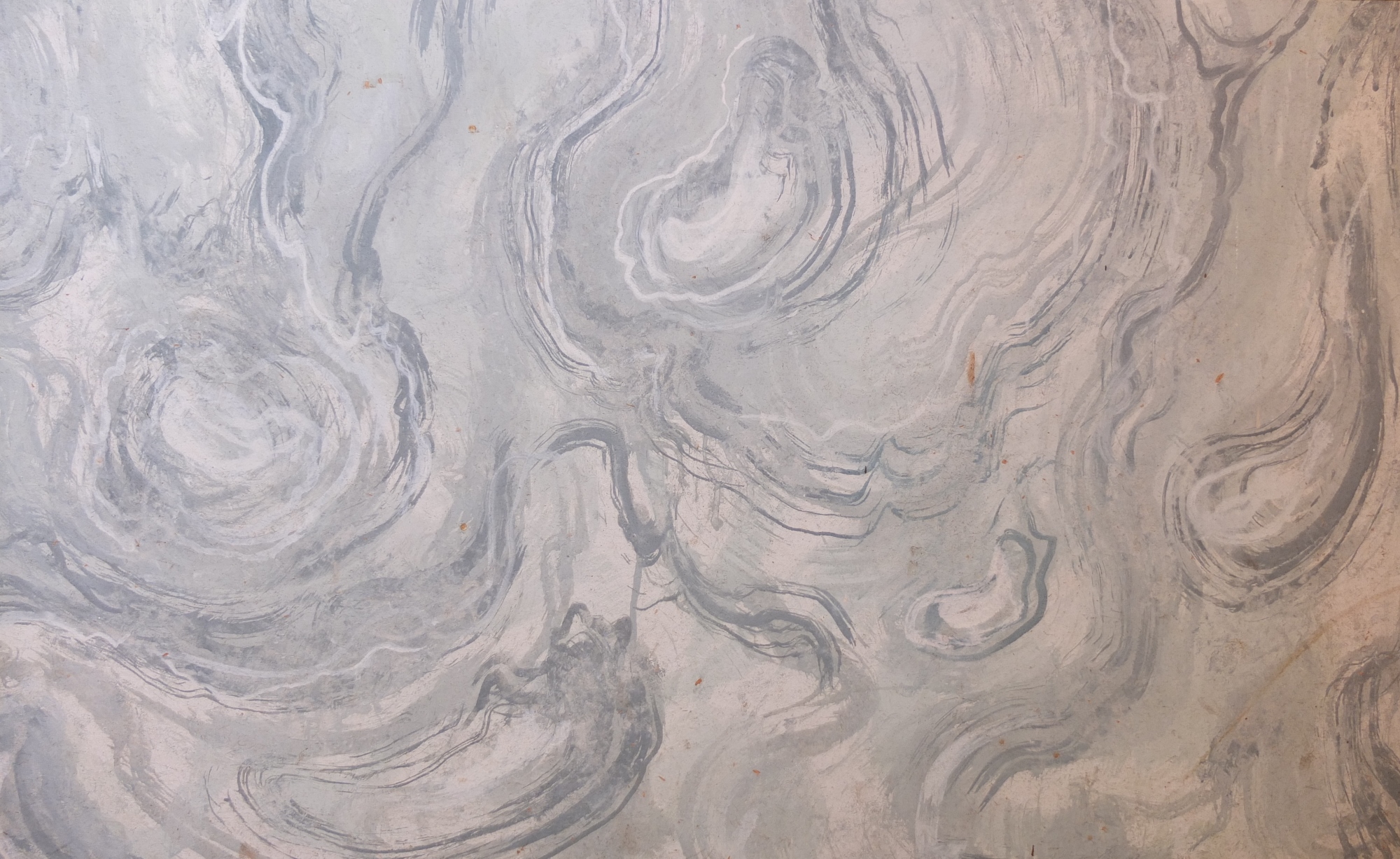
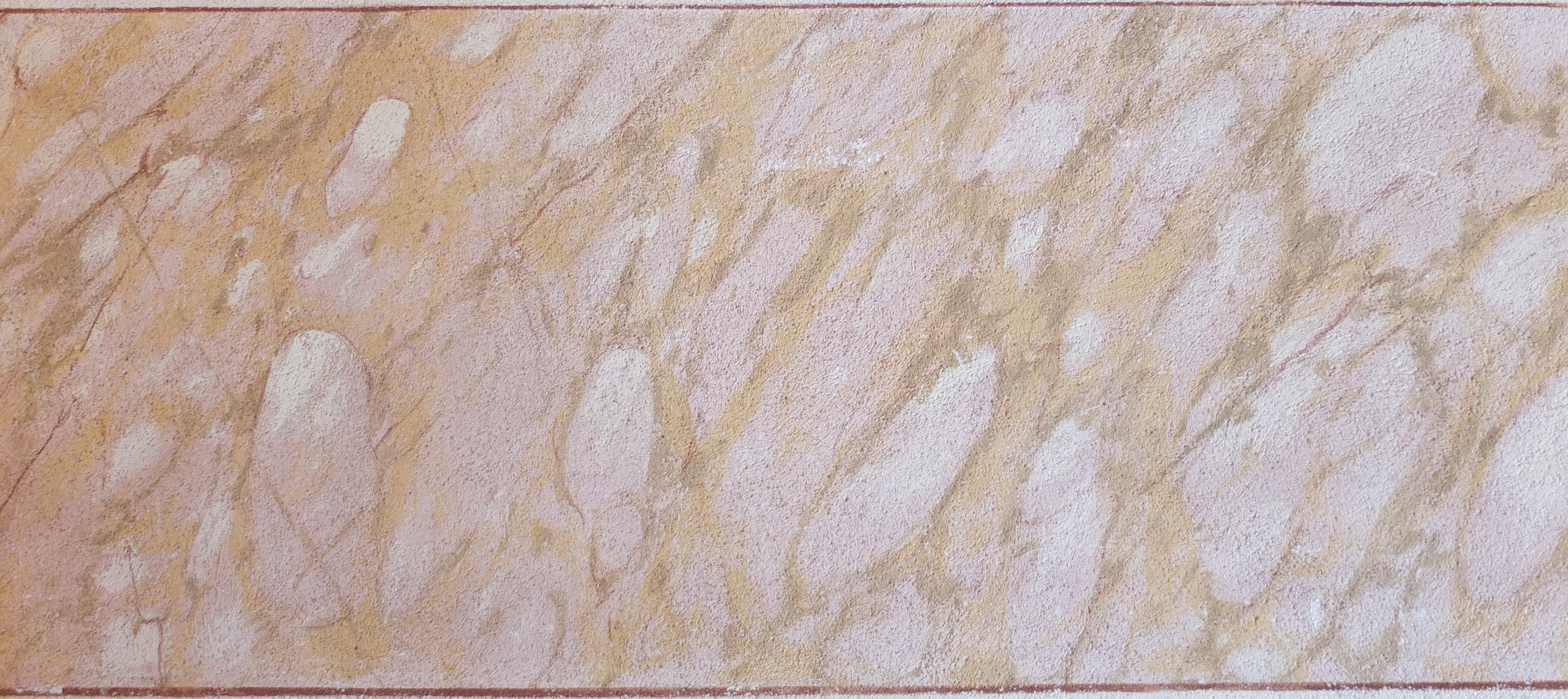
Here are a couple of marble details from the inside of the house that caught my eye:

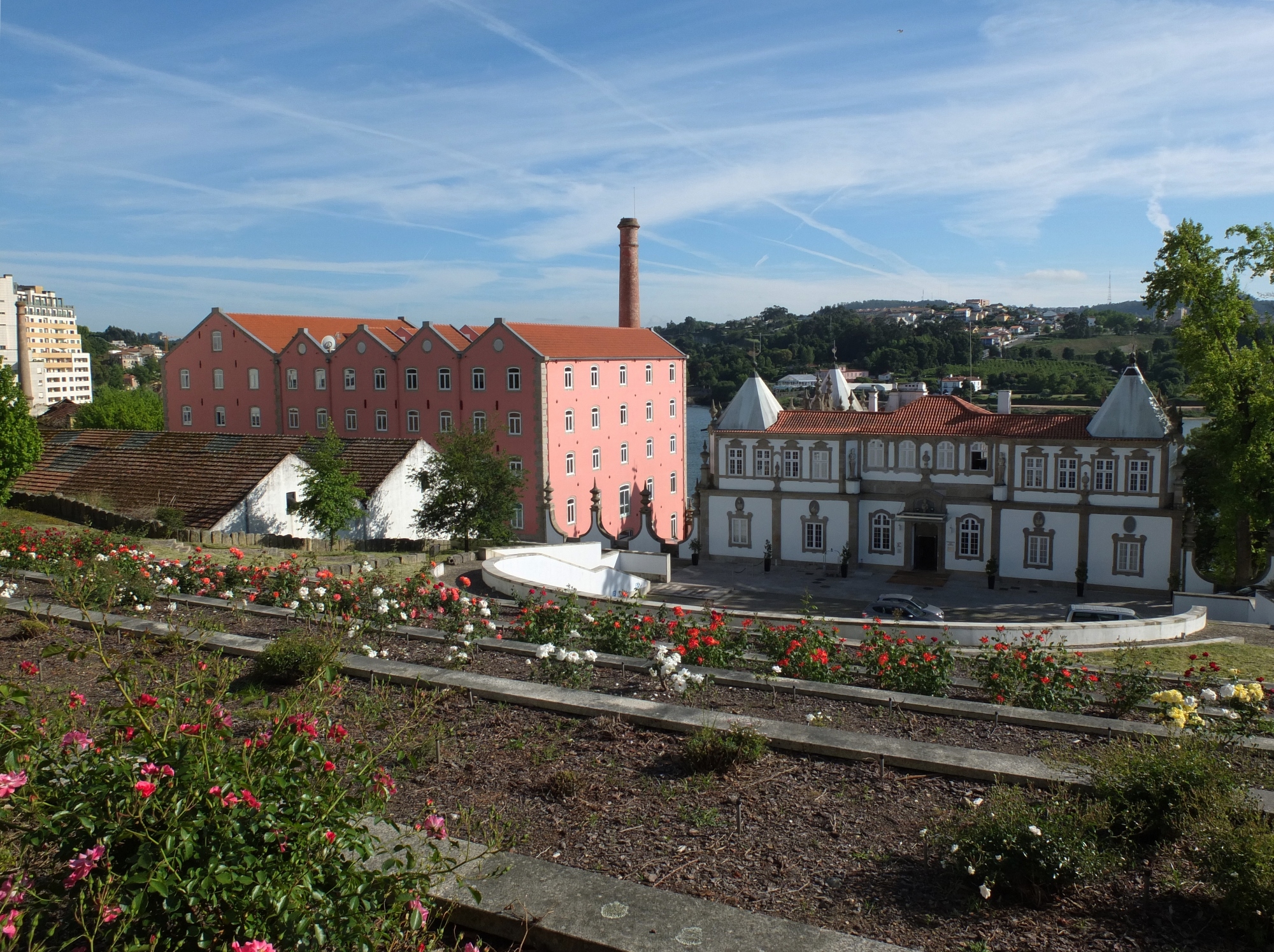
At some point, the siblings in the family had a falling out, and the estate was subdivided. On the lot adjacent to the house, a cereal (meaning grain, that is, not breakfast cereal—though “Flocos Fosco” [Portuguese for “Frosted Flakes”] has a nice ring to it) factory was built, which the sibling in the estate house must have just loved. It’s the pretty pink building here (which now houses most of the guest rooms of the pousada), with the pretty smokestack in front:
DSCF3486 (2000x1495)

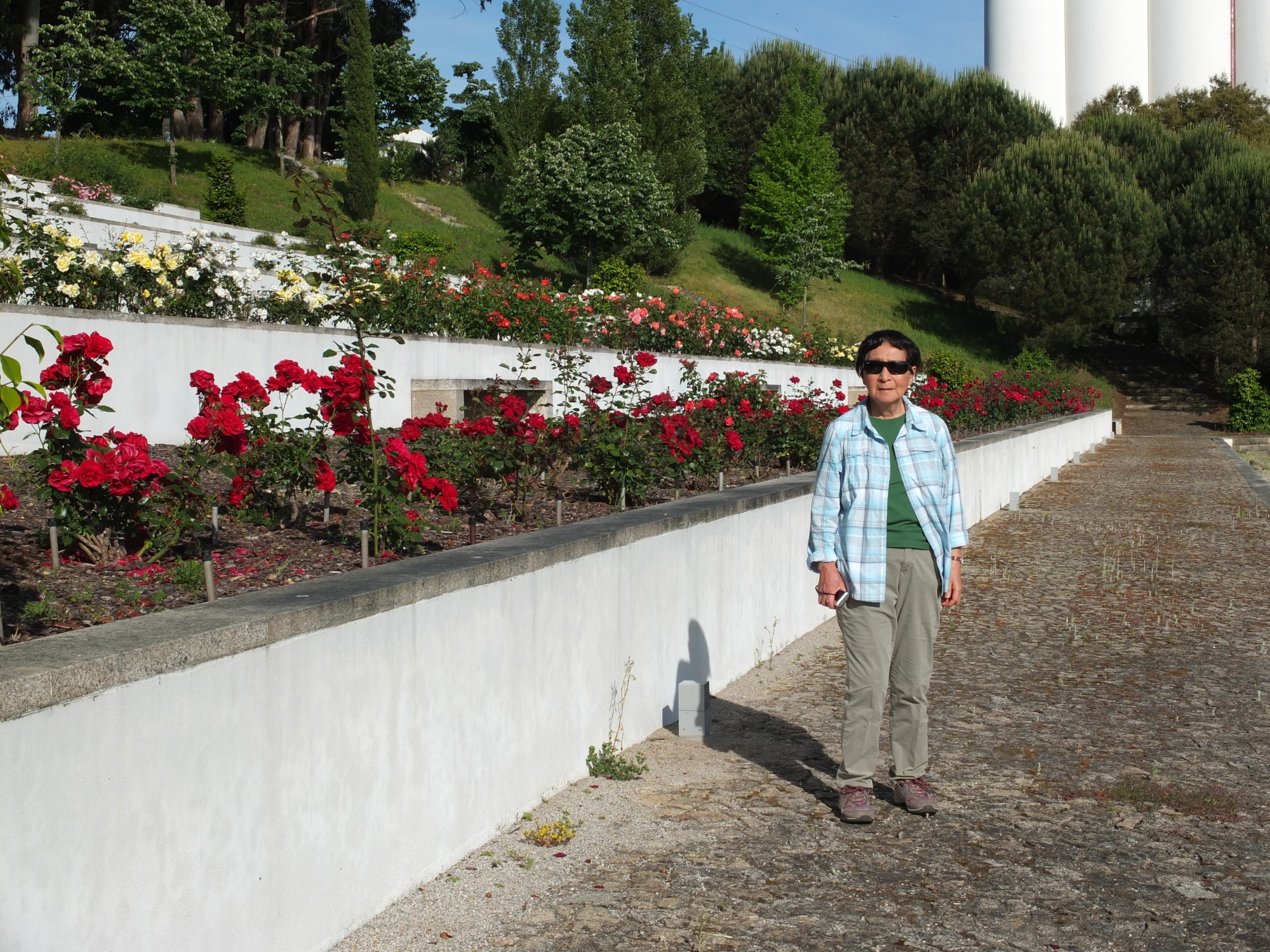
On the hill above the buildings, is a small garden, which is pretty nondescript except for a multi-tiered installation of roses. You can also see the pretty grain storage facility in the background.
DSCF3489 (2000x1500)

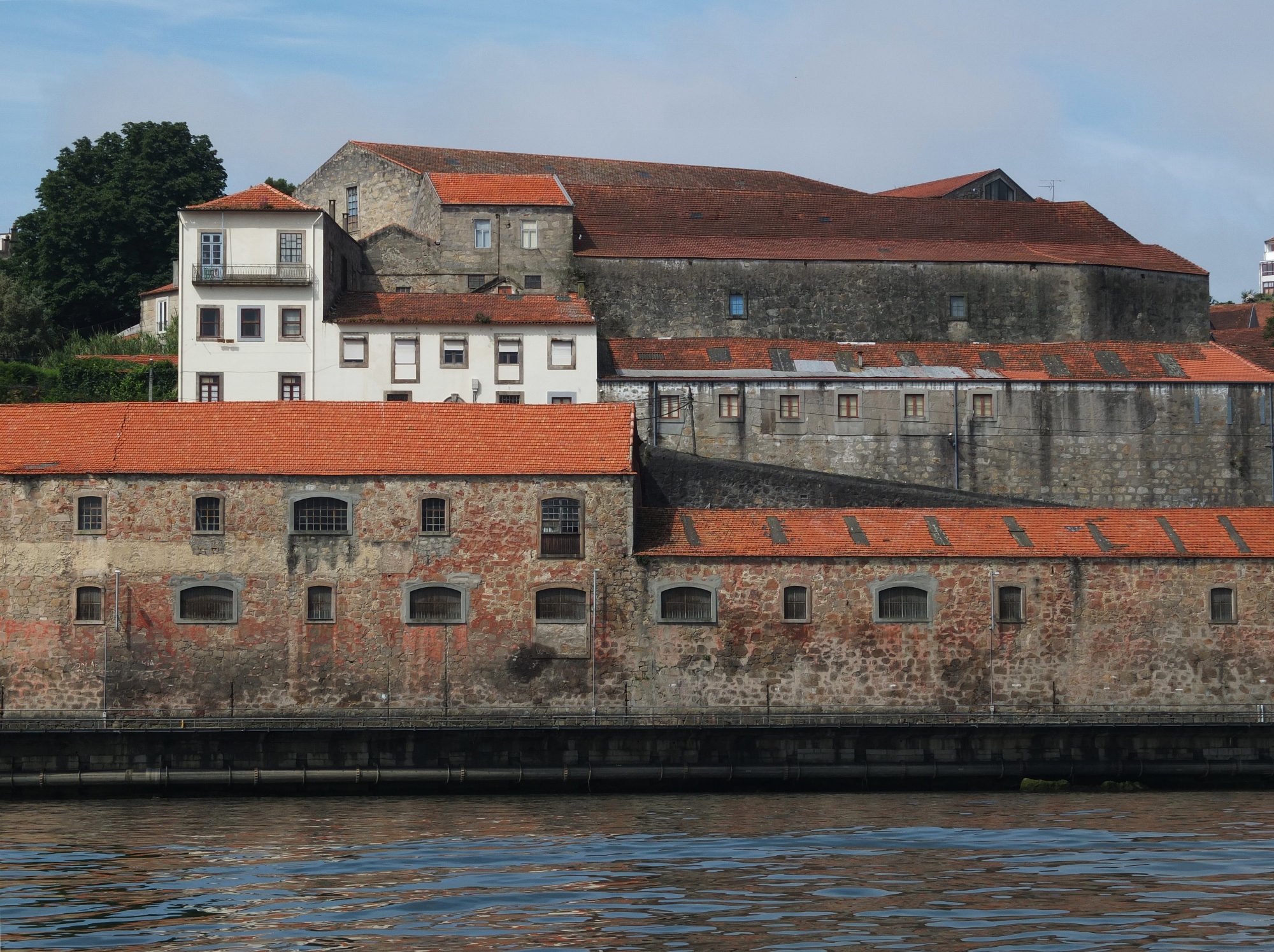
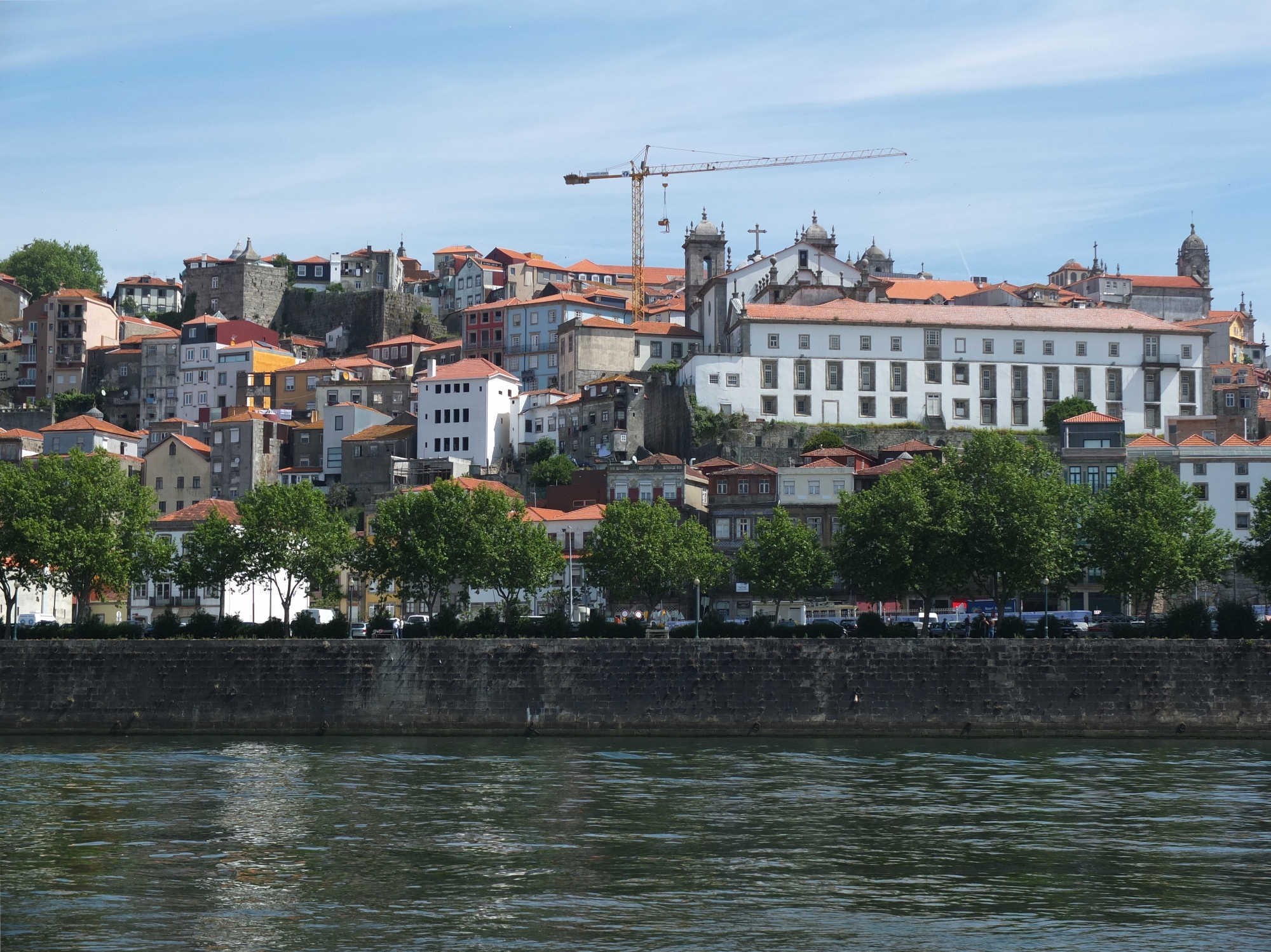
For our full day in Porto, we started with a bus tour of the old part of the city, followed by a “six bridges” cruise of the Douro River, which is the river that runs through the port wine growing region (but unfortunately, the boat turned around about 100 kilometers short of where the vineyards start). The city of Porto rises dramatically above north bank of the river, a combination of historic and majestic stone edifices, and newer whiter, rectangular buildings with red roofs stacked on top of each other in a decidedly non-rectilinear cityscape.
DSCF3342 (2000x1498)

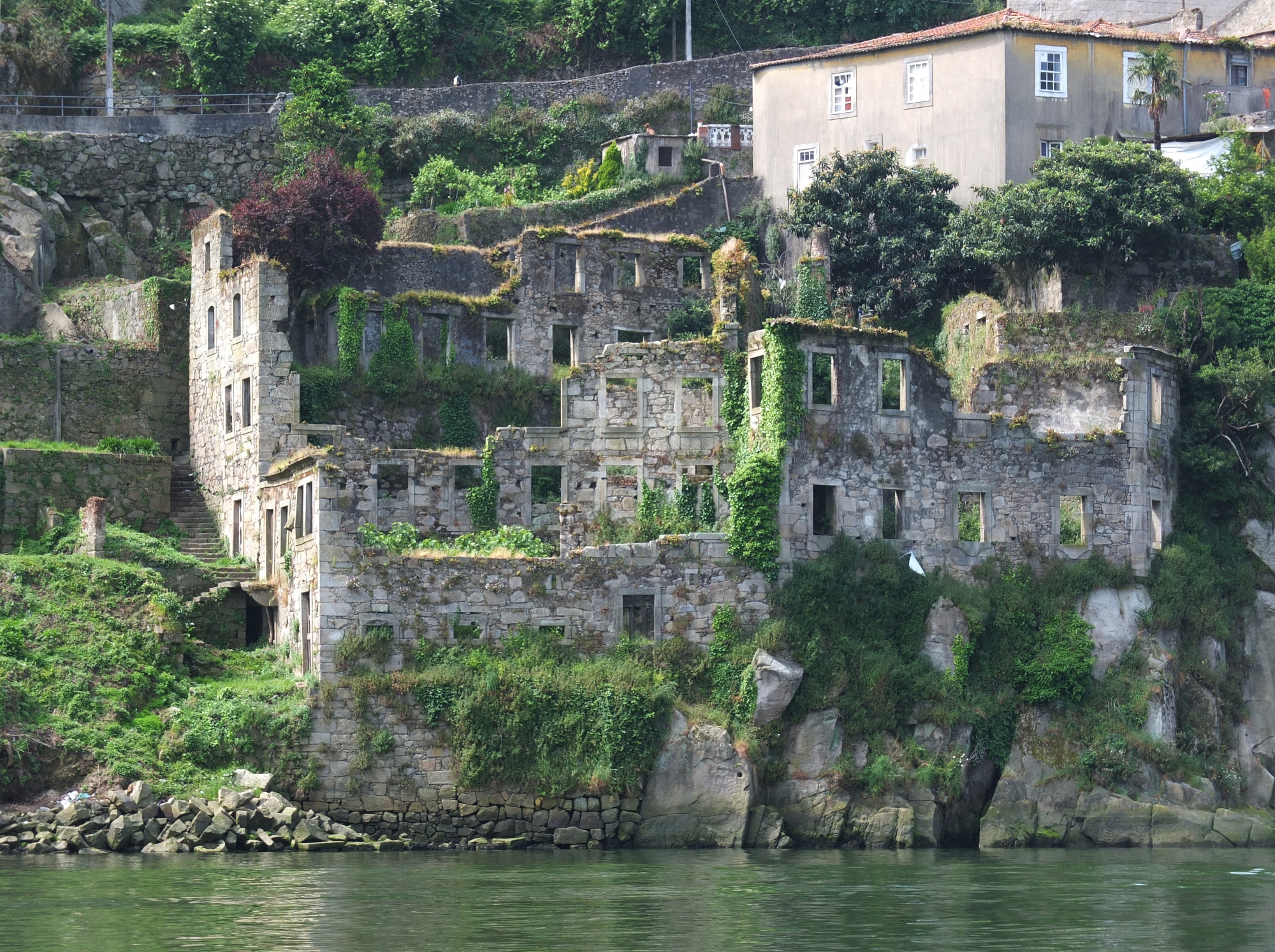
On the south bank is the city of Vila Nova de Gaia (or just, Gaia), more sprawling and greener, with some interesting ruins and abandoned buildings along the banks to the east and west of the town itself.
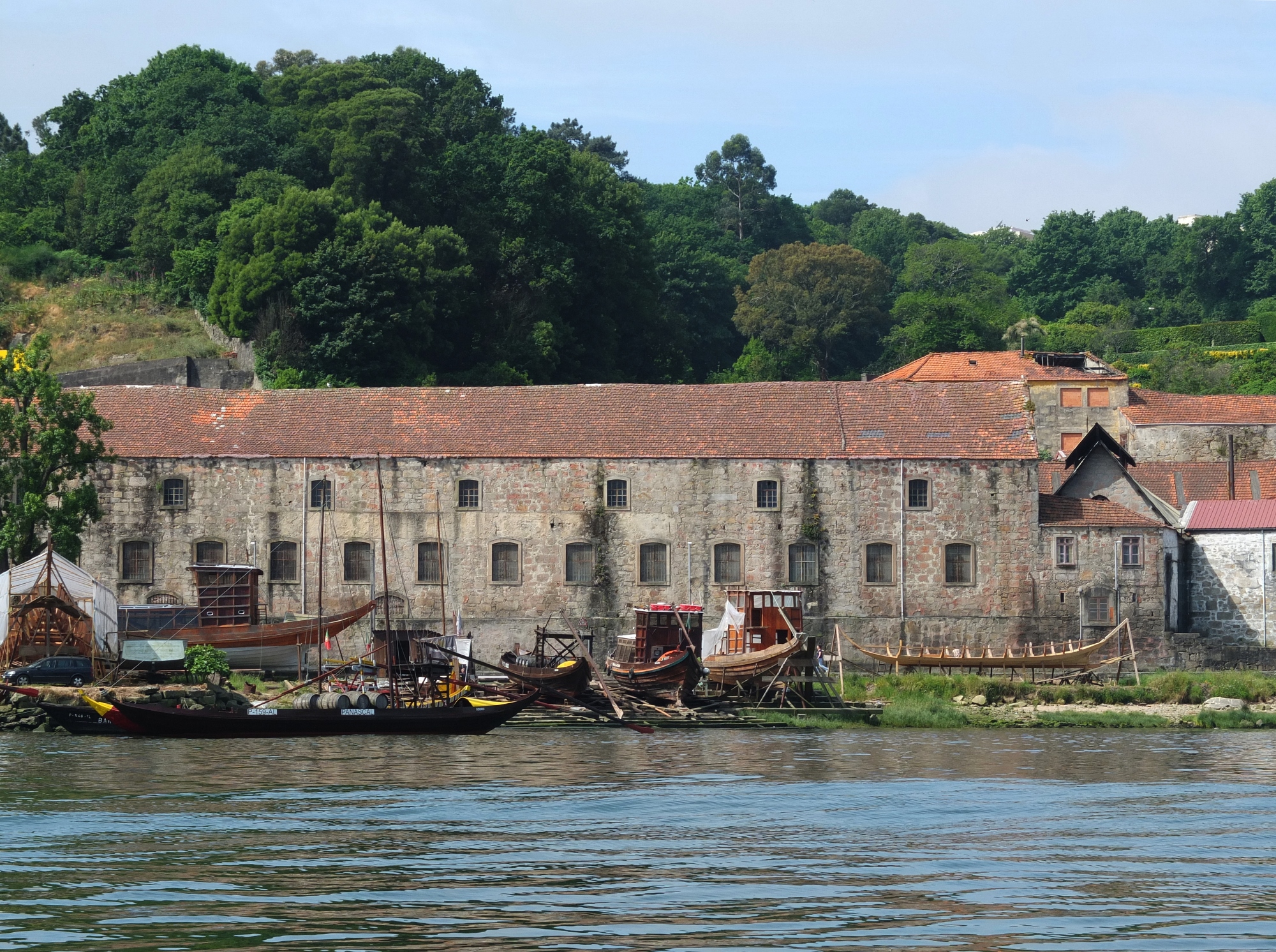
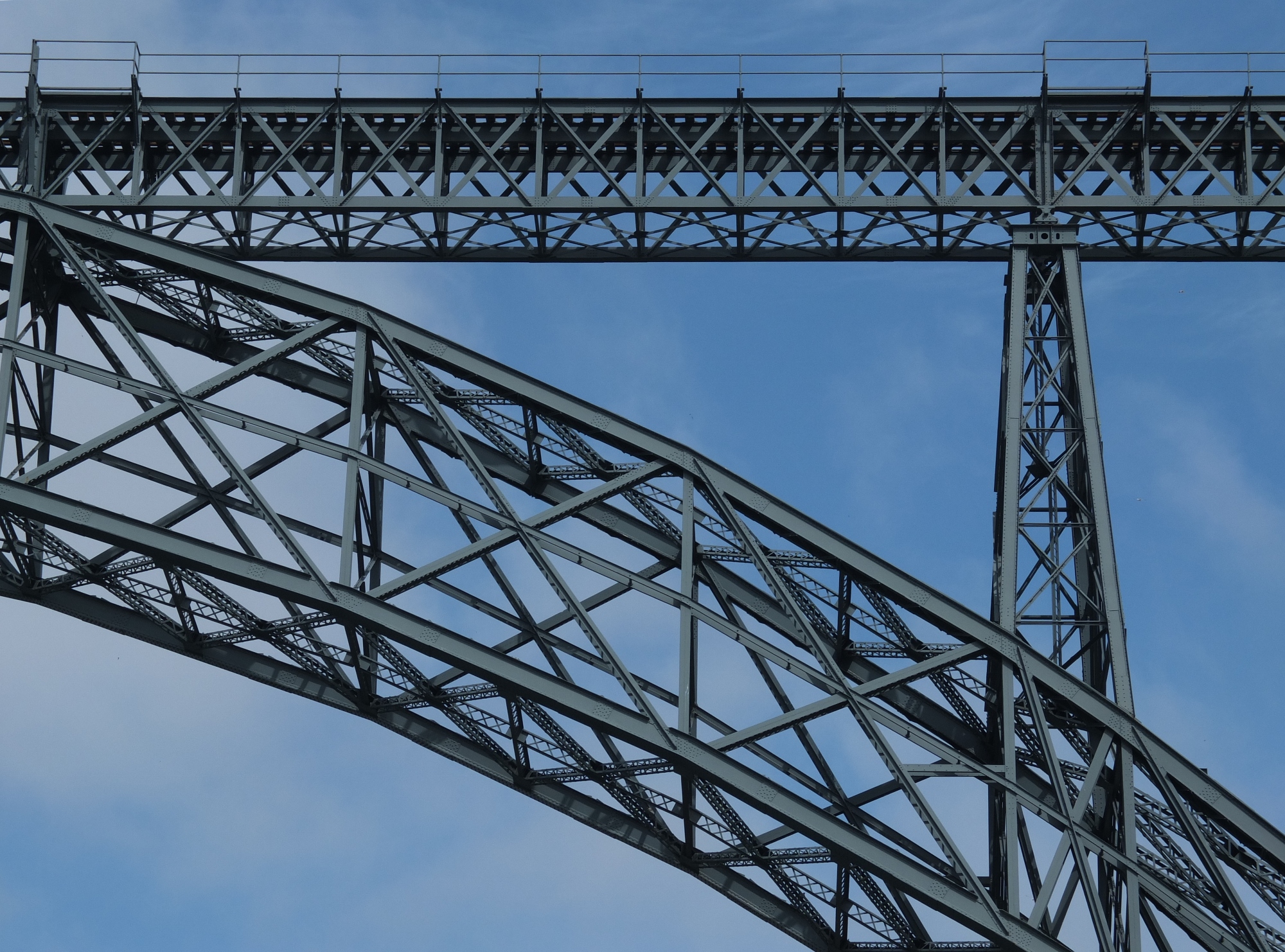
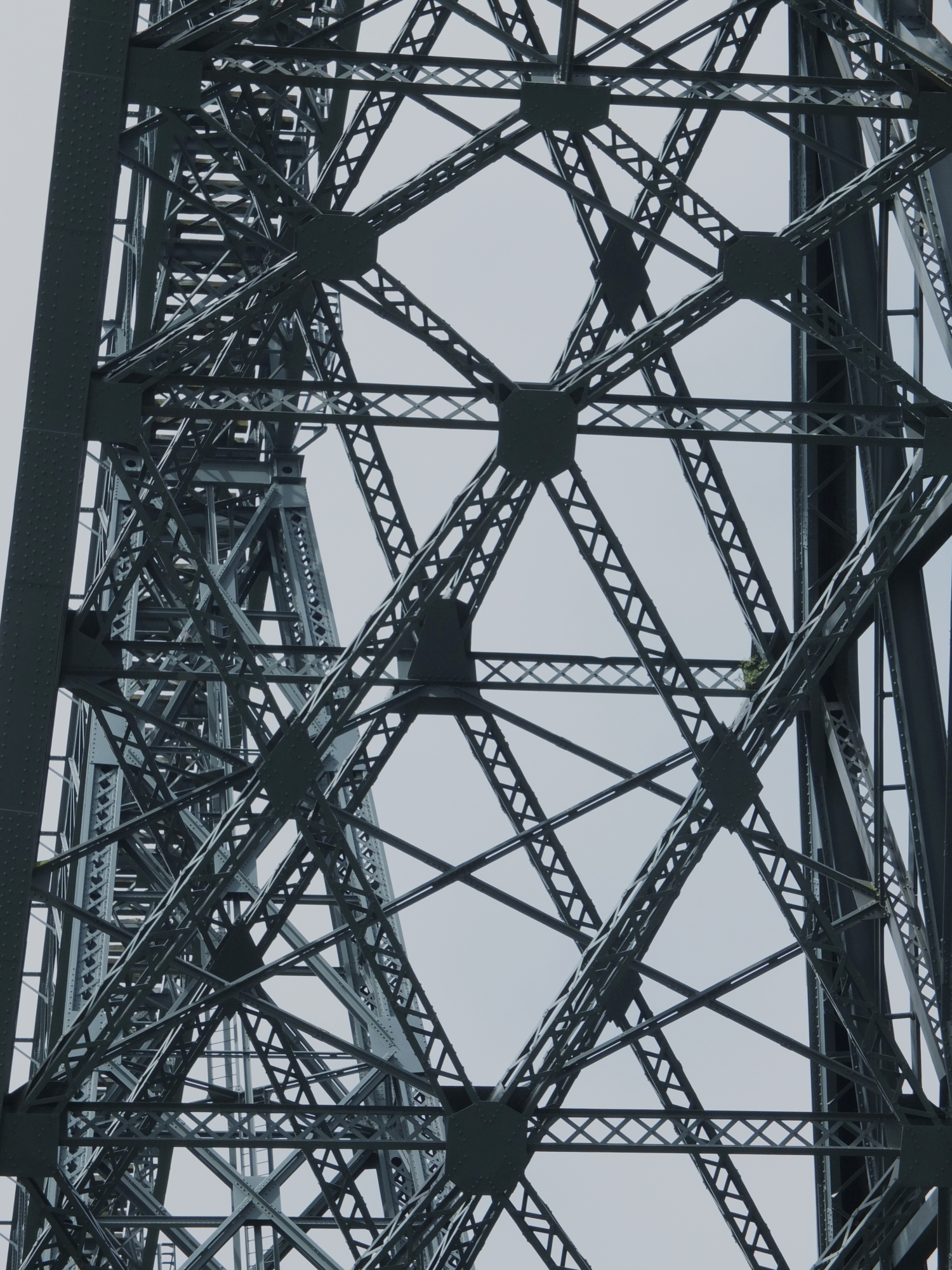
One of the six bridges connecting the two sides of the river that we passed was the Ponte Dona Maria Pia (railroad bridge). See if you can guess who designed it (without going to Wikipedia, that is).
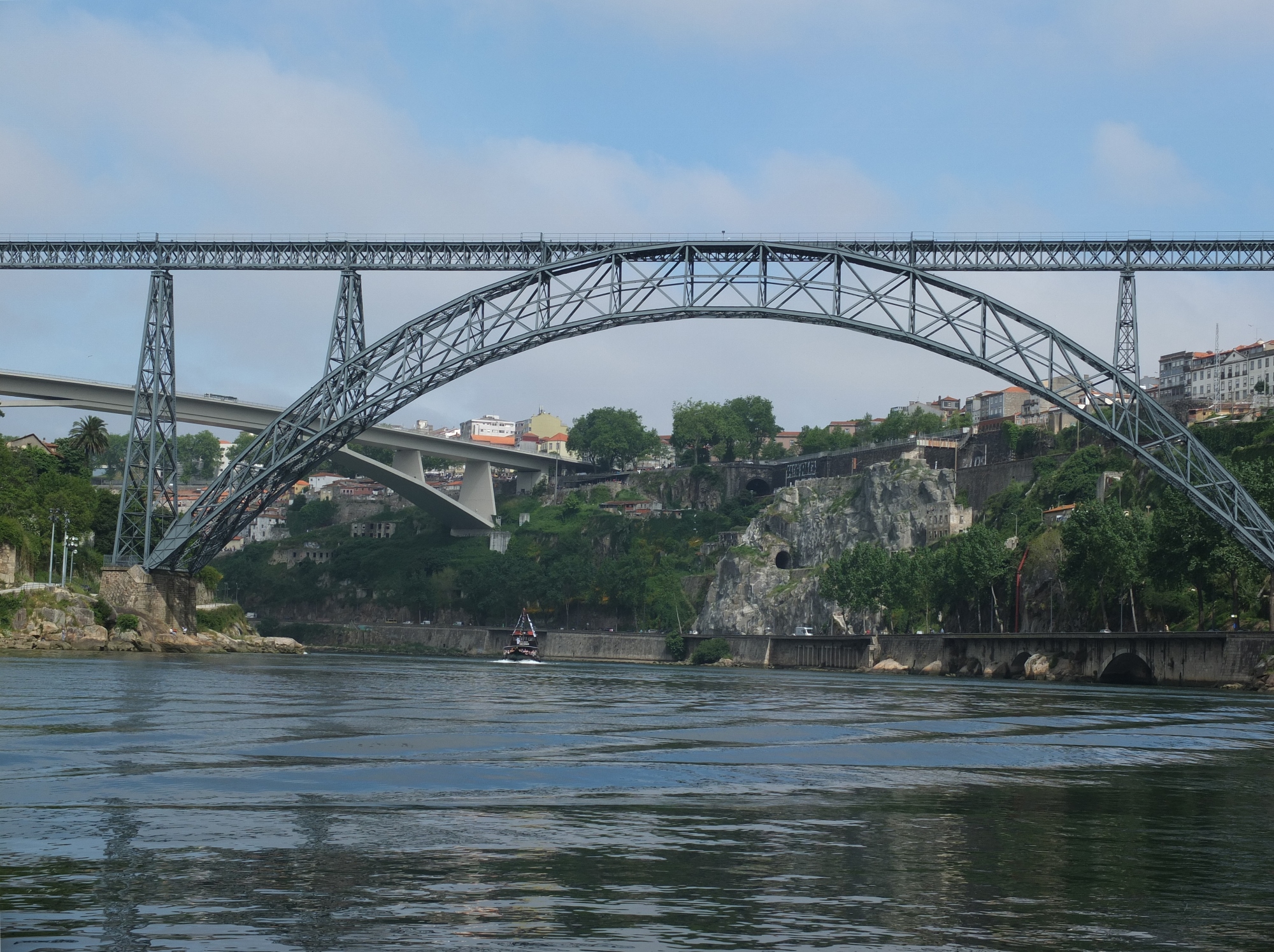
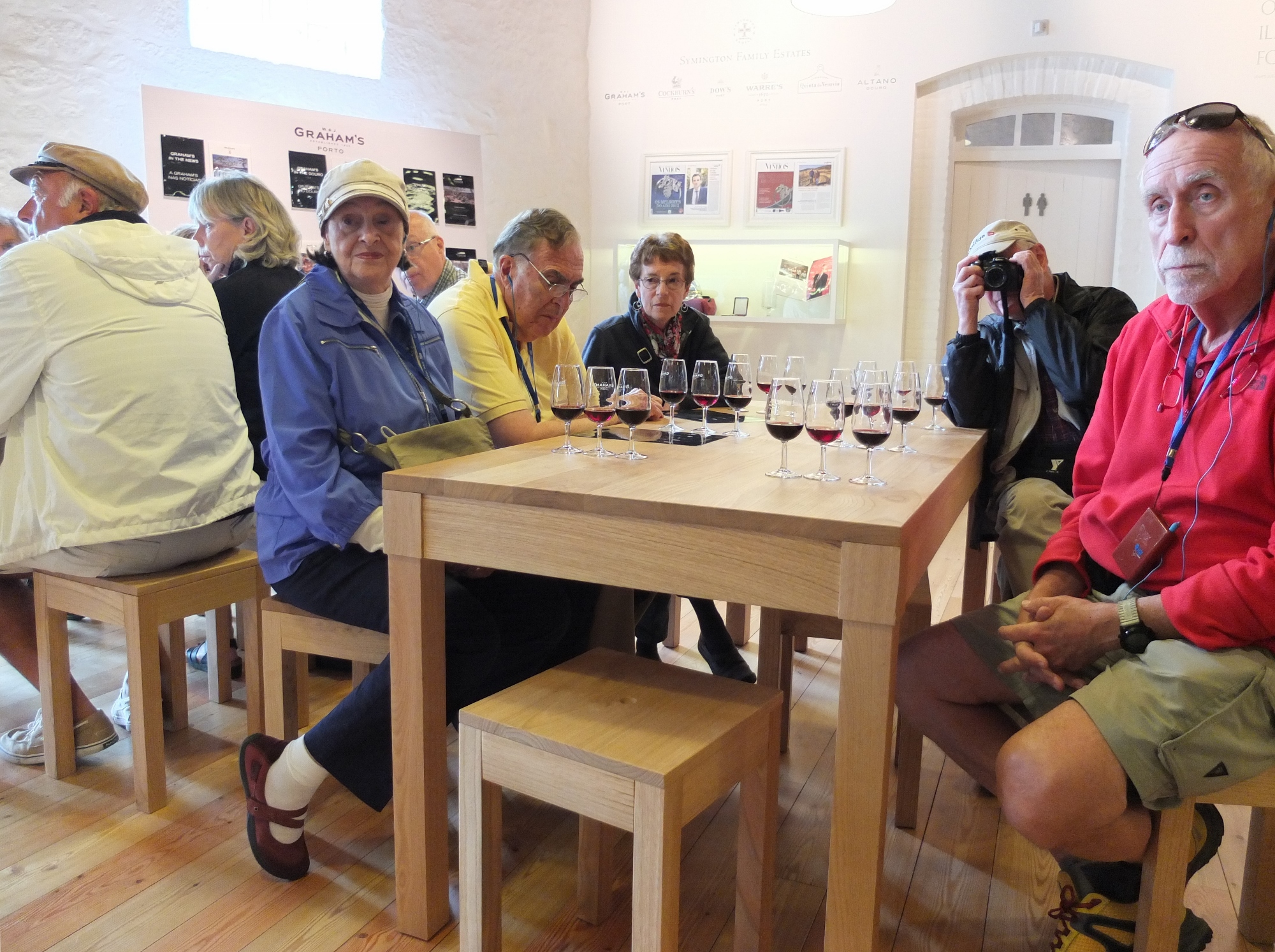
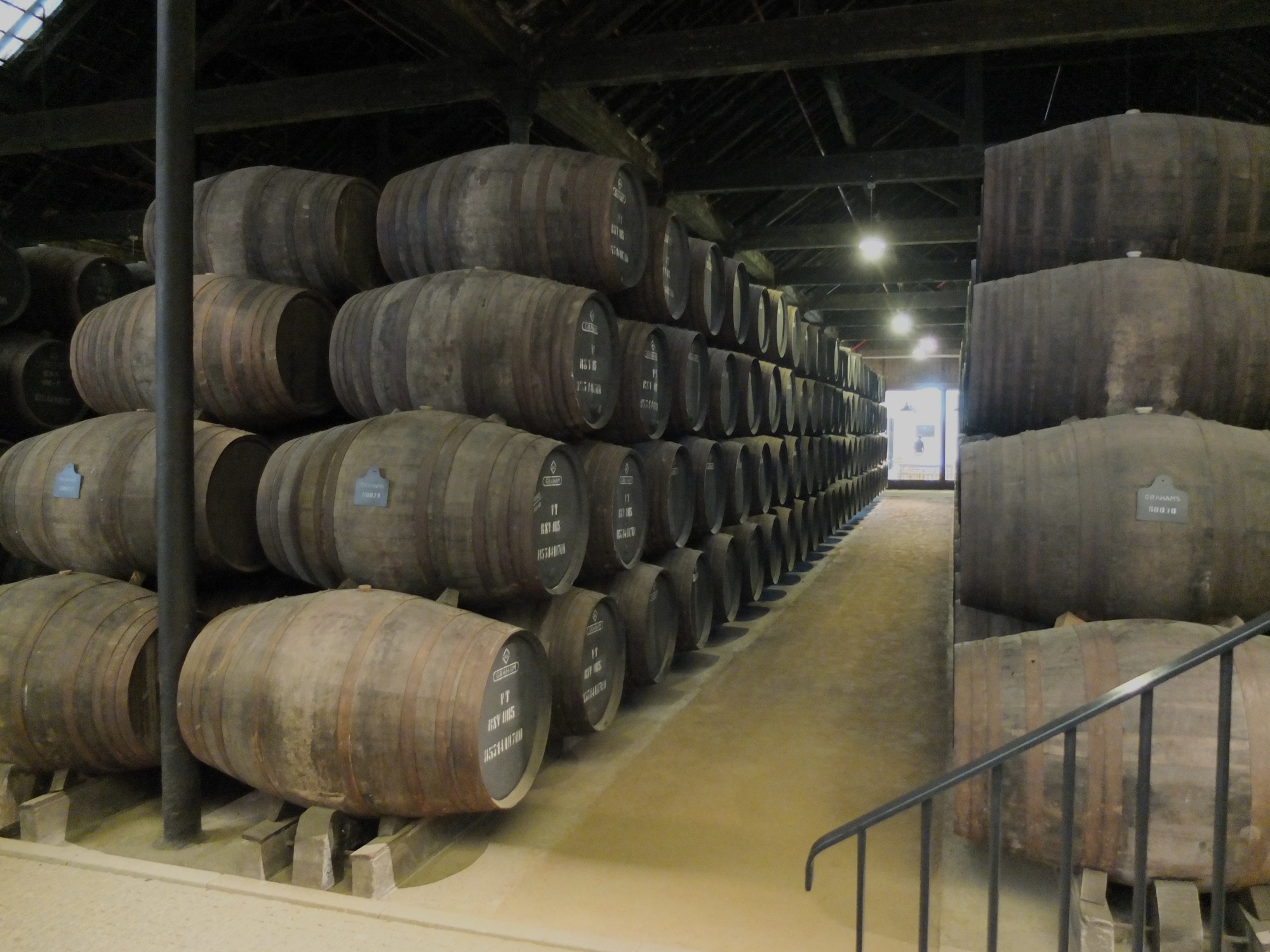
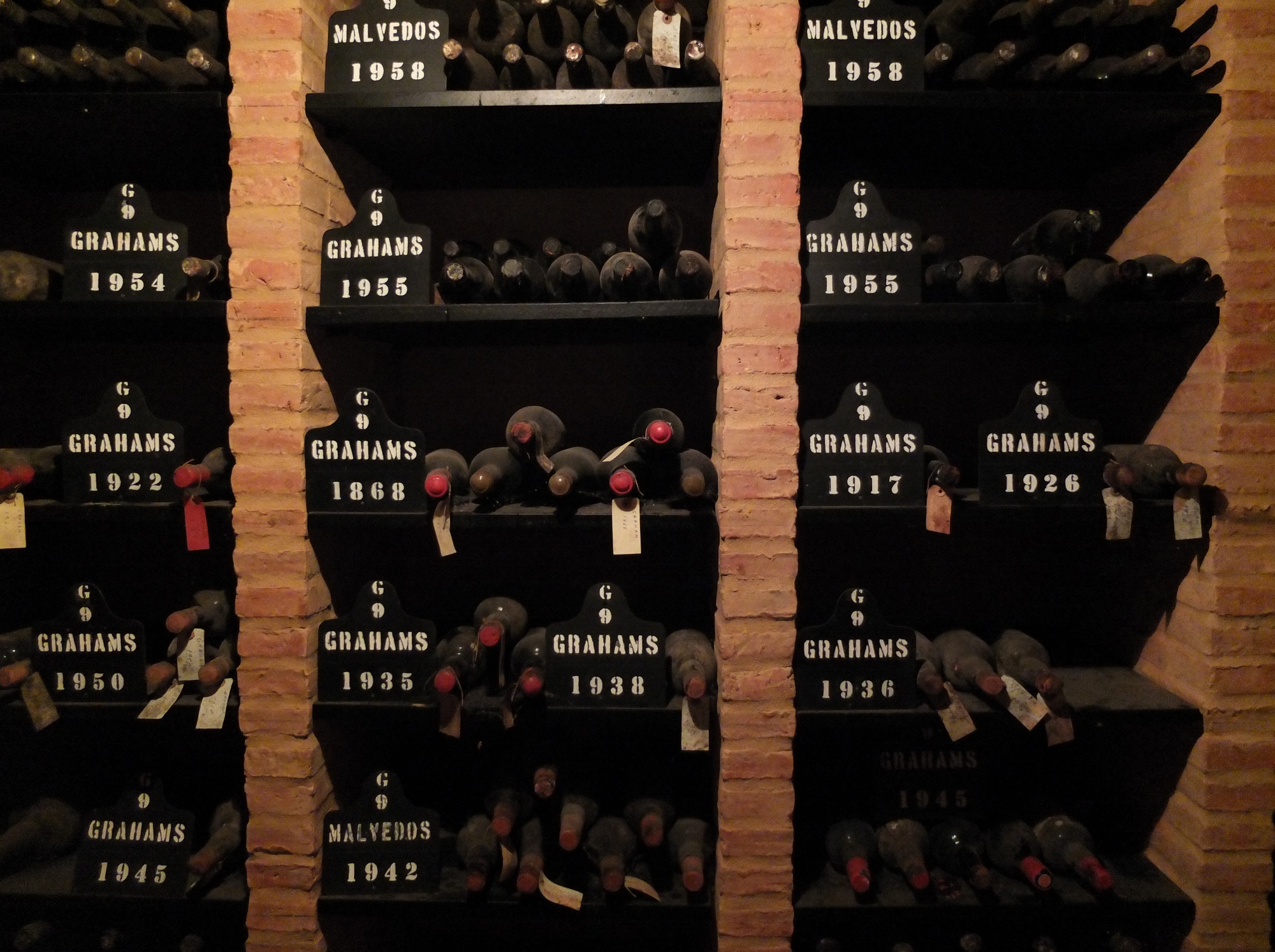
Interestingly, all of the port wine houses are actually in Gaia, and not in Porto (the namesake) itself. Our local guide was quite knowledgeable about port wine, having previously worked for Sandeman, as well as being generally immersed in the local wine culture. He actually led us himself on our tour of Graham’s, which was high in the west hills of the city, giving a detailed and excellently presented walk-through of the history and process of wine making in the region, as well as the storage/aging facility. Check out the dates on the bins in the private cellar. The tour included a tasting of a ruby (Six Grapes), a tawny, and a vintage. Fun.
We were on our own for the rest of the afternoon. Mom and I had lunch in this place (one of many) along with river on the Porto side (very nice grilled fish for me; fish soup for Mom, not as tasty as the one in Nazaré):
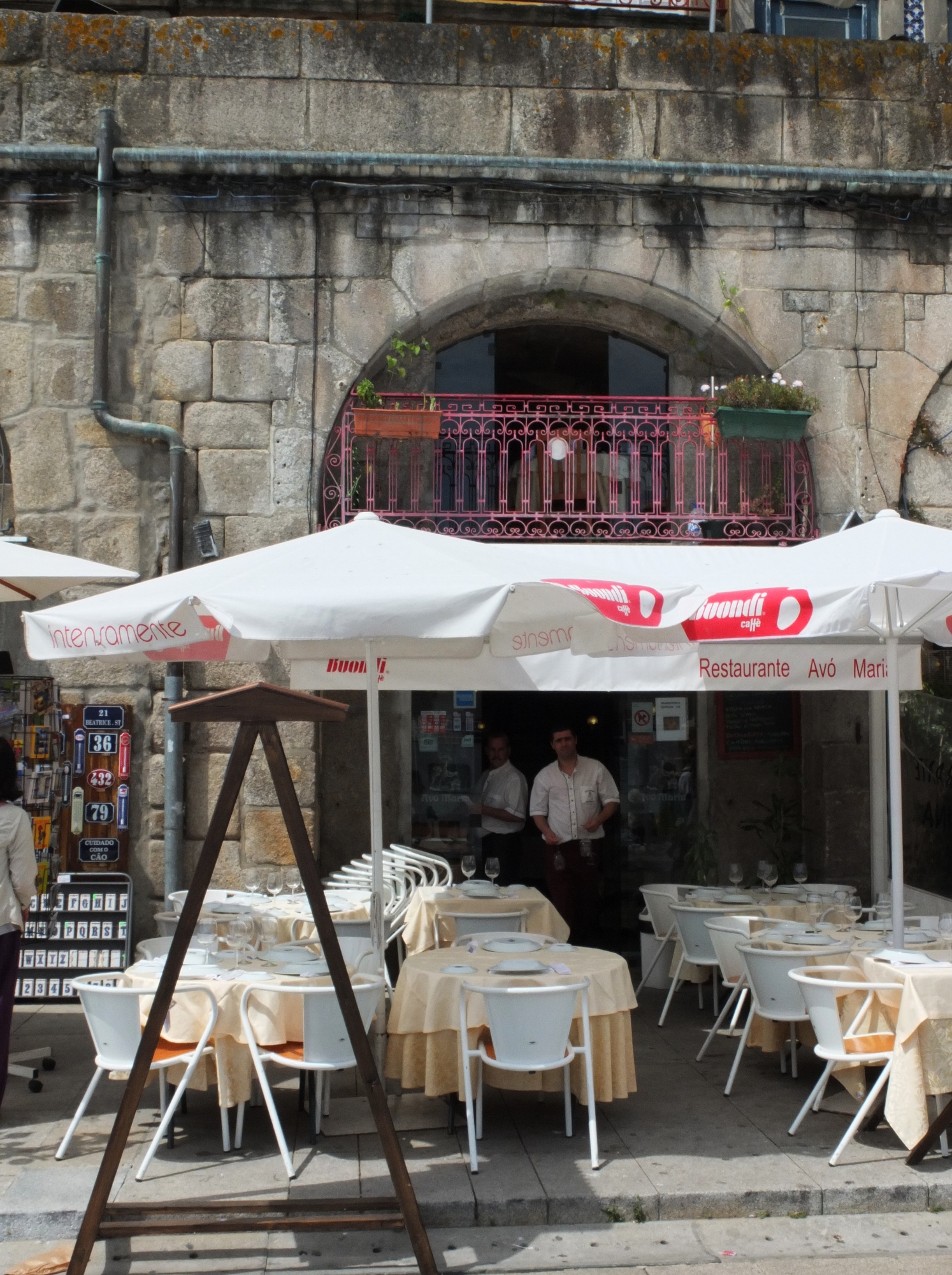
DSCF3426 (1494x2000)

After lunch, we walked around the old part of town. Here is my view of the Torre dos Clérigos, one of the highest points in the city (I think, or I may just be making that up, I don’t remember which). Apparently, there is an awesome view from the top, but our guide advised that we not climb the 240 stairs to see it, so we didn’t (not like Mom and I needed a super amount of convincing on that). Aw snap!
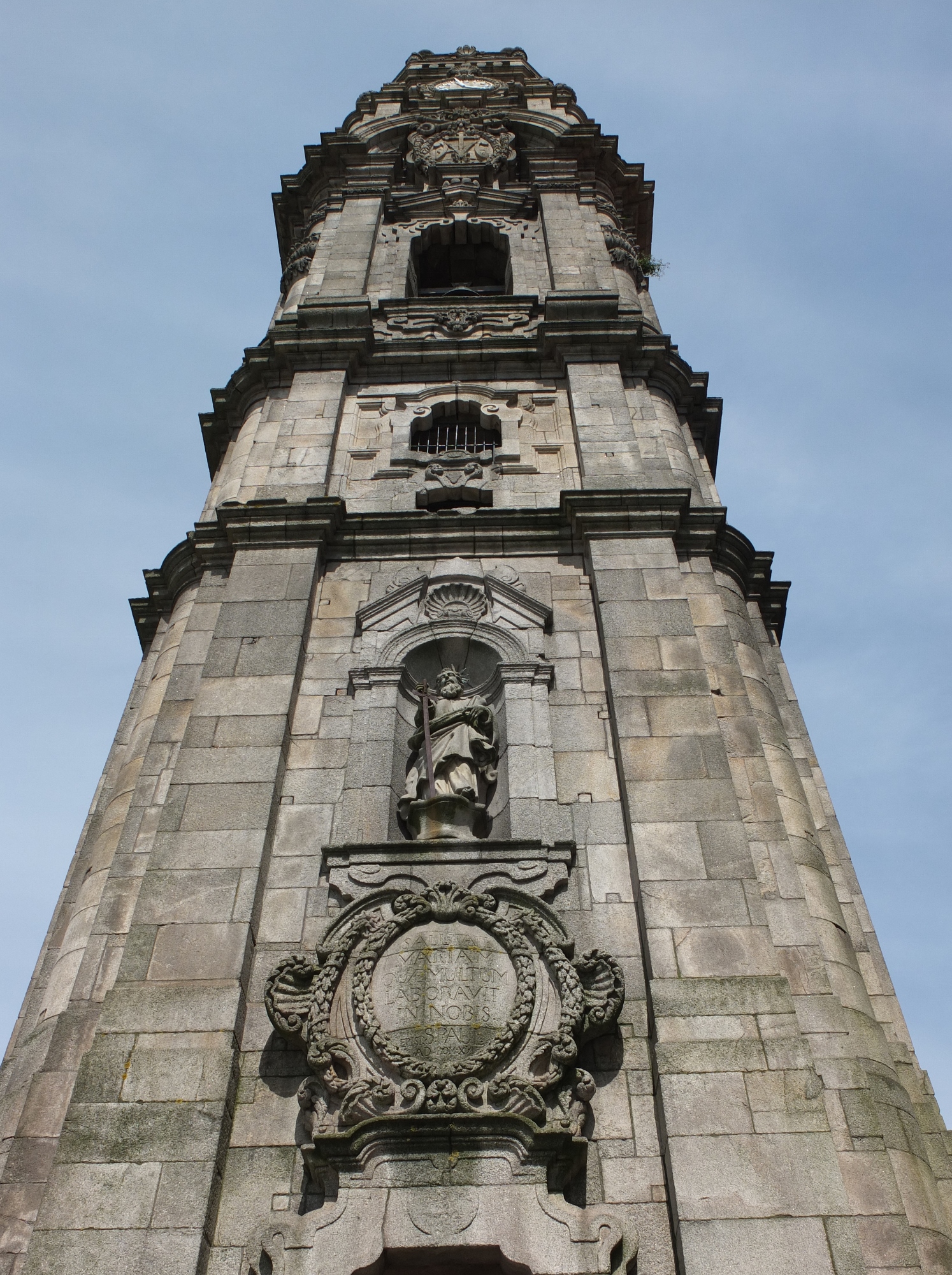
DSCF3447 (1494x2000)

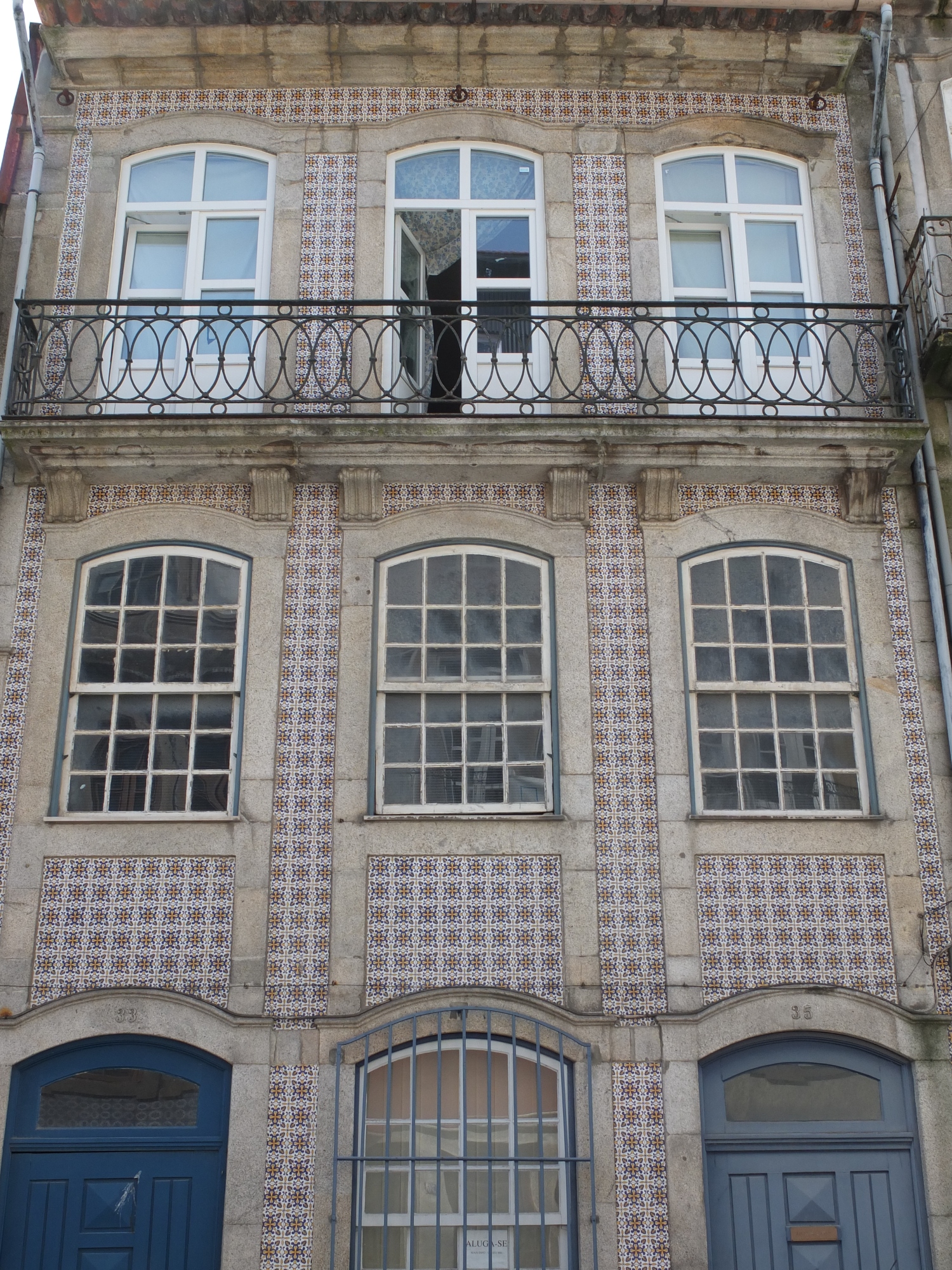
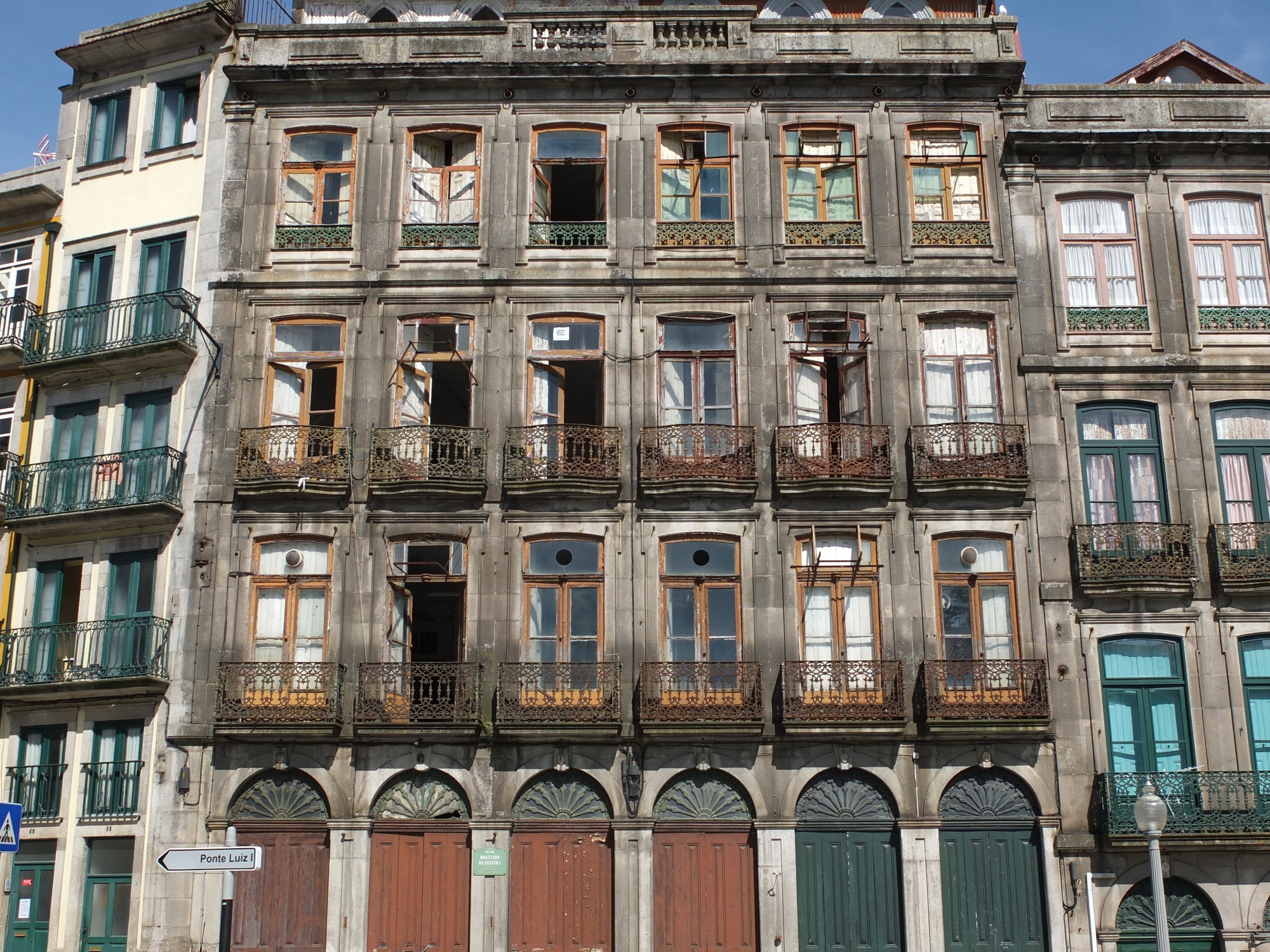
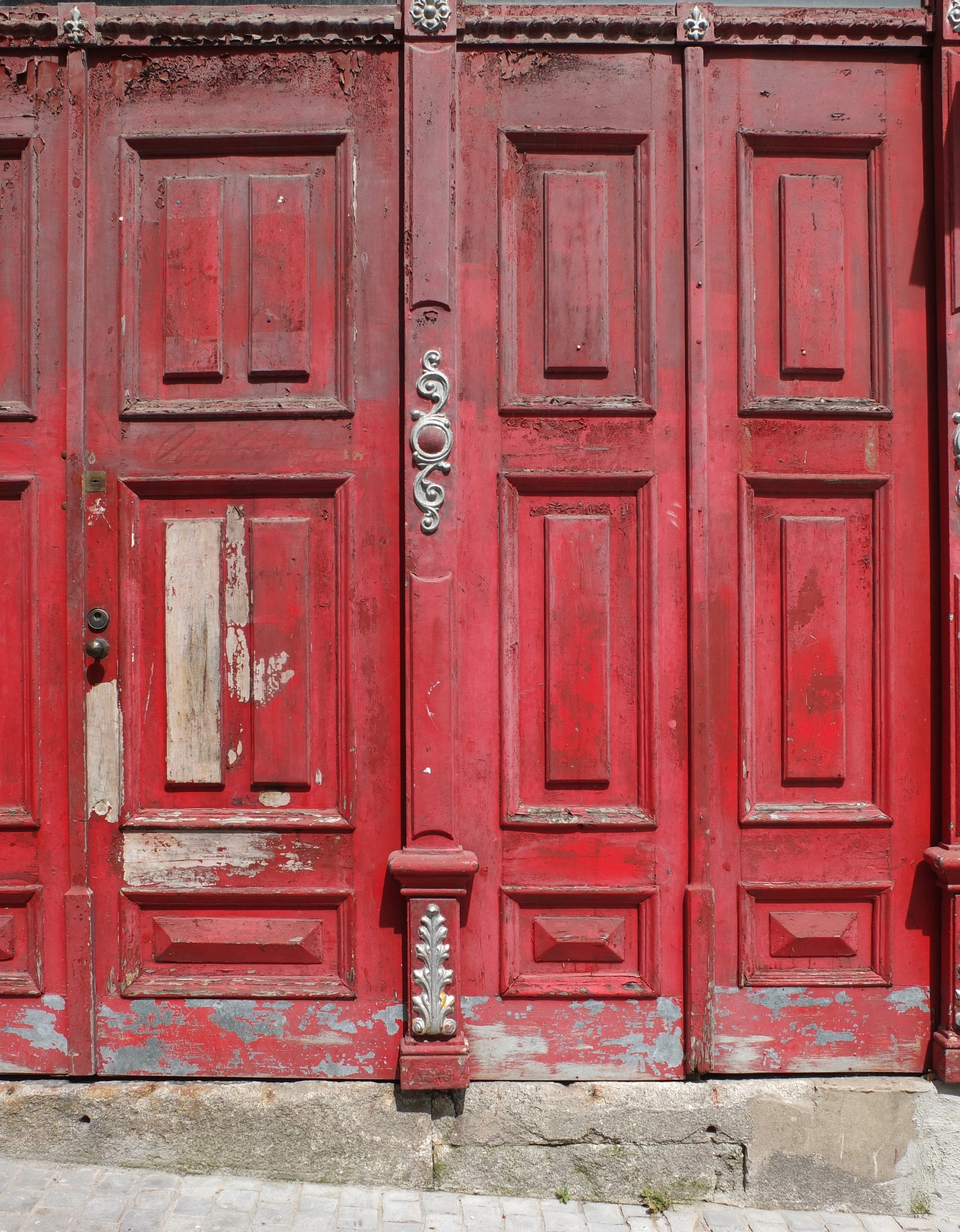
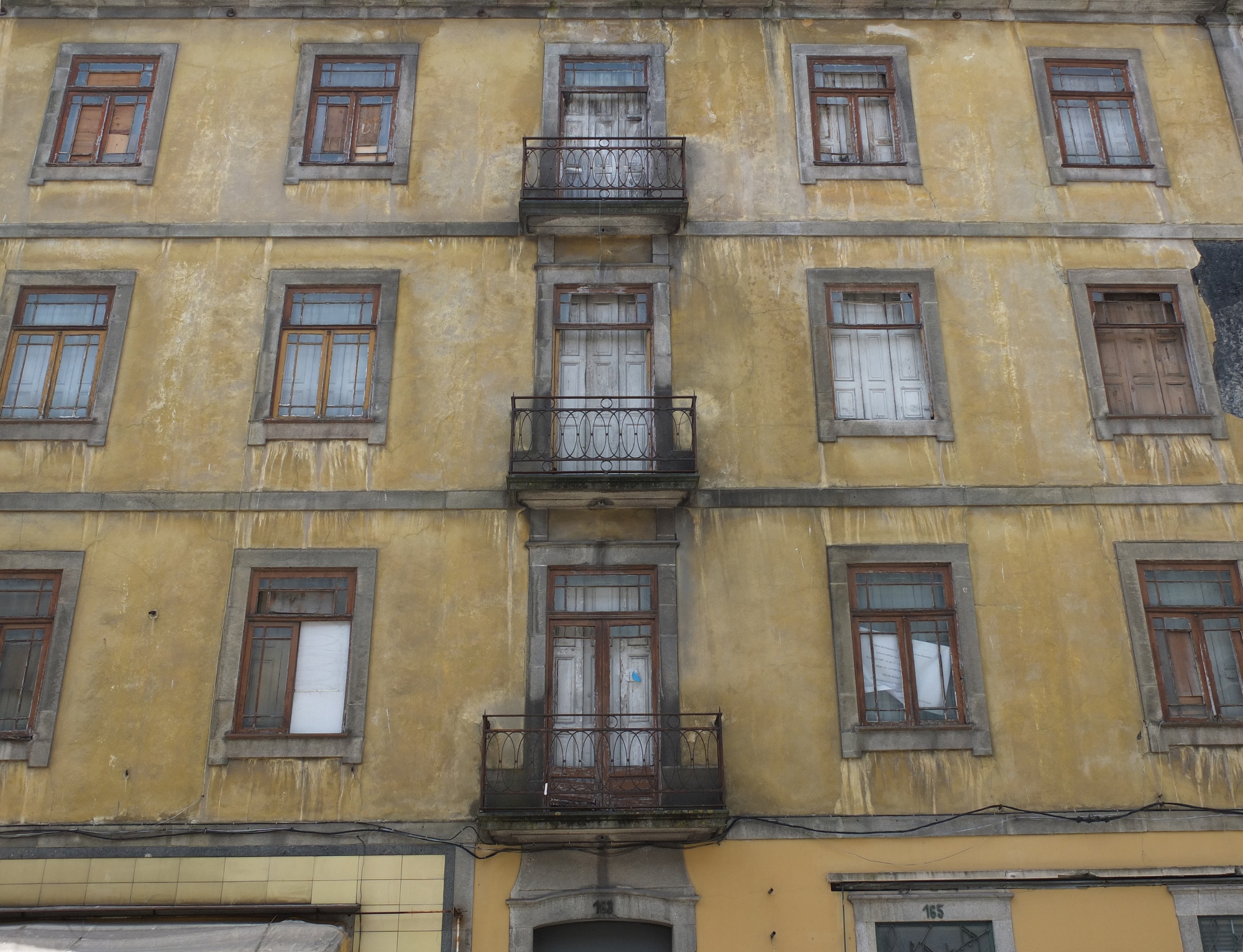
It was evident that this general part of town was once an important and affluent area, with nice architectural details (iron- and stonework, and decorative tiles), but much of it seemed rundown and tired. To tell the truth, a lot of it wasn’t very pretty, but I tried to see through the grime and deterioration to a former eminence. Mom didn’t. This was not her favorite city.
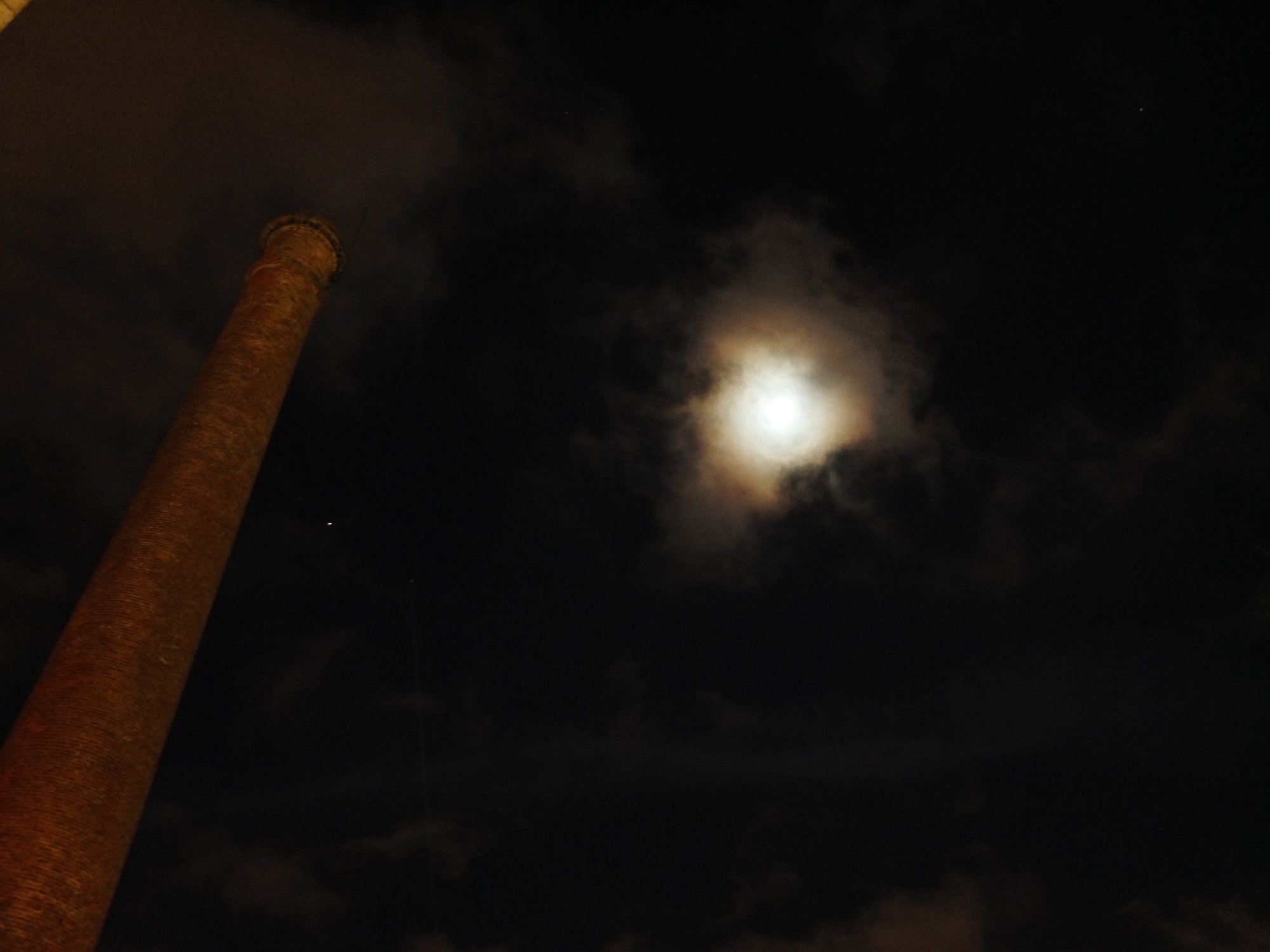
After a few hours of relaxing back at the pousada, we had a nice group dinner in a private room. Here is a gratuitous, good-night (sorry about the hyphen, but what would you have me do?) shot of the smokestack on our way back to the room (in the pretty [ughh] pink building):
DSCF3194 (2000x1500)


Postscript on the language

So I had somewhat of a problem with Portuguese, the entire time in Portugal. Actually, the problem isn’t really with the language itself, it’s with me (or most Americans, I would suspect) and the language. There are two major difficulties: (1) It is too damn similar to Spanish; and (2) it is too damn dissimilar to Spanish. It is tantalizingly close to Spanish (however little or much you know) that you think you might be able to get a handle on things just by mapping a few pronunciations, articles, and word endings. But you would be wrong: the differences are substantial enough as to render any attempt at the “mapping” I just spoke of completely ineffectual in making your speech understood as Portuguese. I studied my Portuguese language guide/phrasebook in most of my spare moments the first couple of days in Lisbon, only to repeatedly make the same mistakes over and over when attempting to communicate: not pronouncing “s” as “sh” (always), not remembering the silent “e” at the end of words (always, again), not pronouncing “m” as “ng” (e.g. “bom dia” is actually spoken as “bong dia”, “sim” is “seeng”, etc.—I mean, what could be more obvious?), and not remembering that Portuguese appears to have been specifically designed to frustrate the hell out of rudimentary Spanish speakers in every other way possible. It turns out that forgoing any attempt at speaking Portuguese and just speaking bad Spanish works much better, throwing in random words or phrases of English, French, or German (or Dutch or Swahili or whatever) if/when your Spanish fails you, as needed for clarification. In other words, you should do whatever you need to so the people don’t try and interpret it as actual Portuguese. It is an ancient, mellifluous language; it just caught me off-guard in its difficulty if starting with a Spanish bias.

Gallego, Basque, and Catalan to come. Should be fun for me as well.
Porto and the Rest of Portugal (Part 1)

cropped-dscf3164-2000x15002.jpg

Of course, this is not actually the rest of Portugal from a geographical, historical, cultural, or even tourism-and-travel point of view, but simply from my perspective, covering the remainder of our short (four-and-a-half-day*) visit to the country.

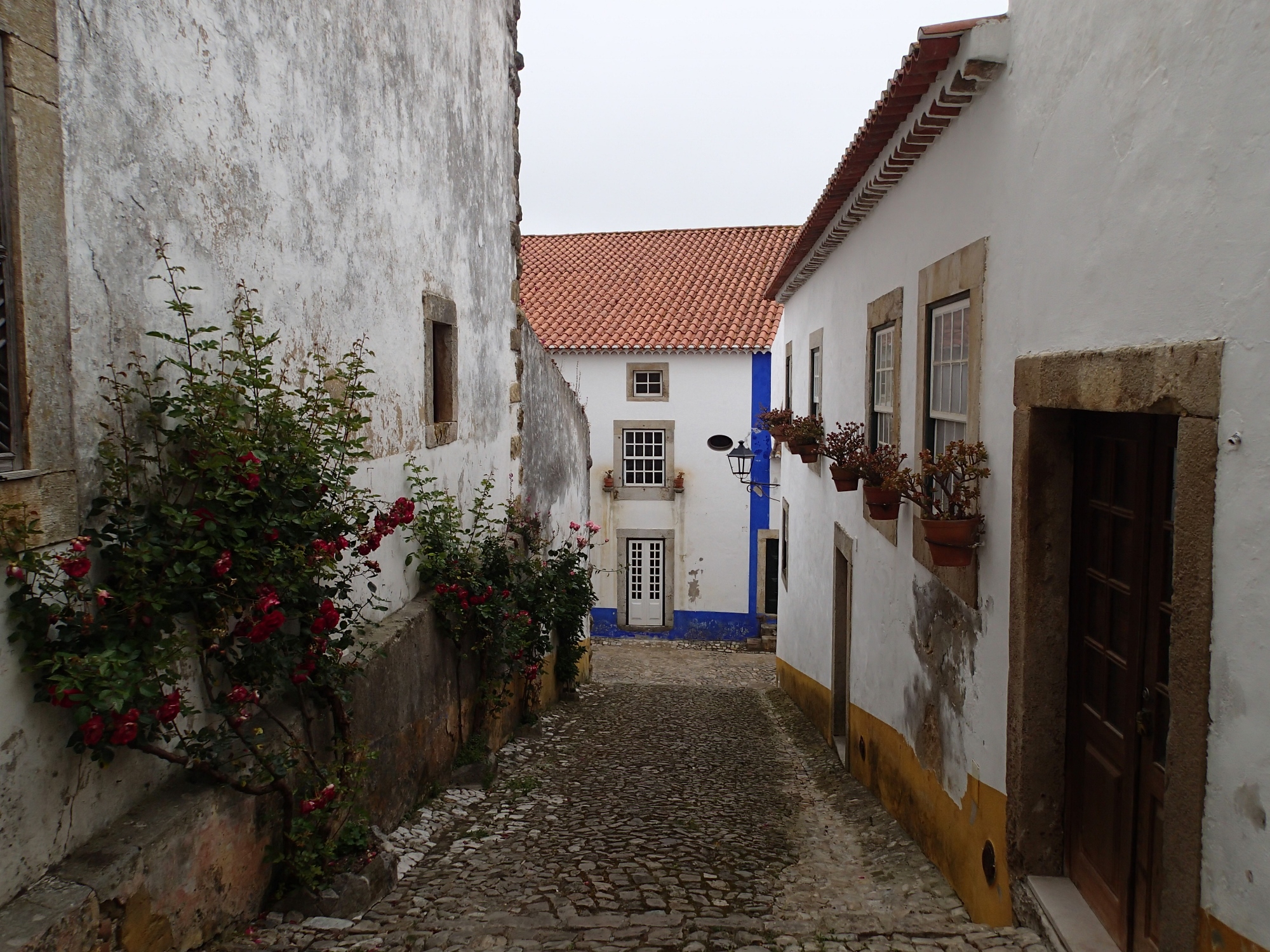
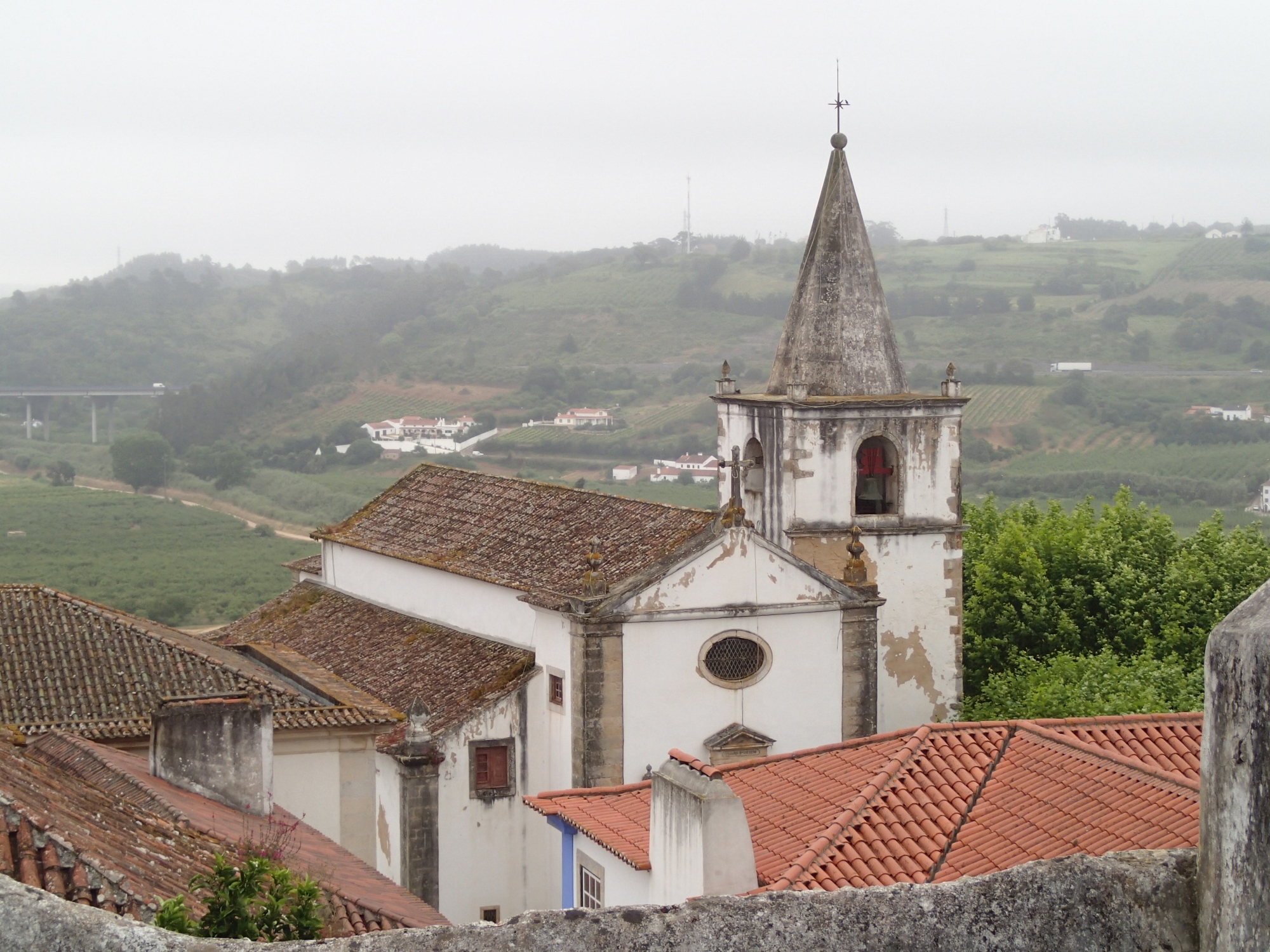
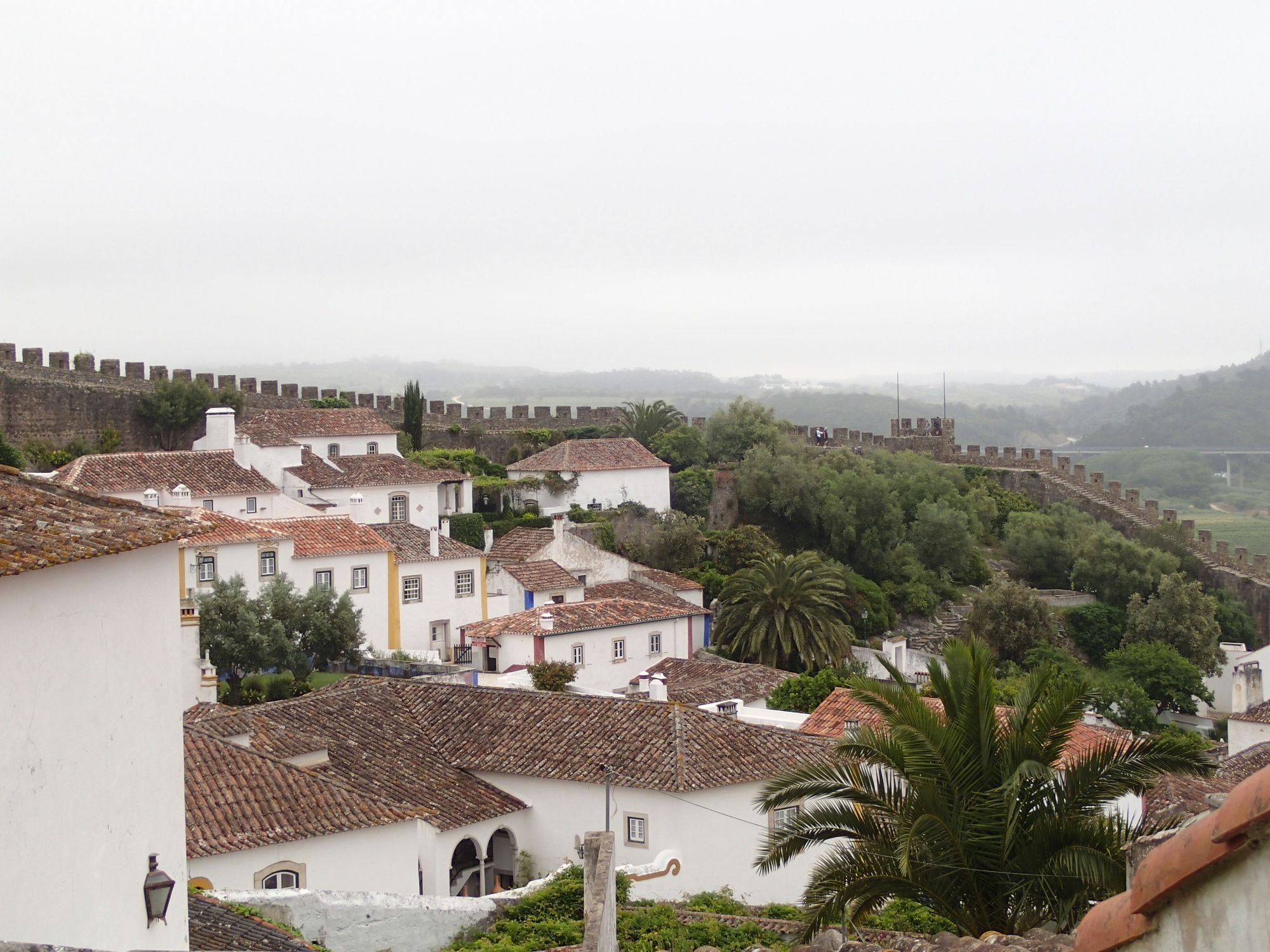
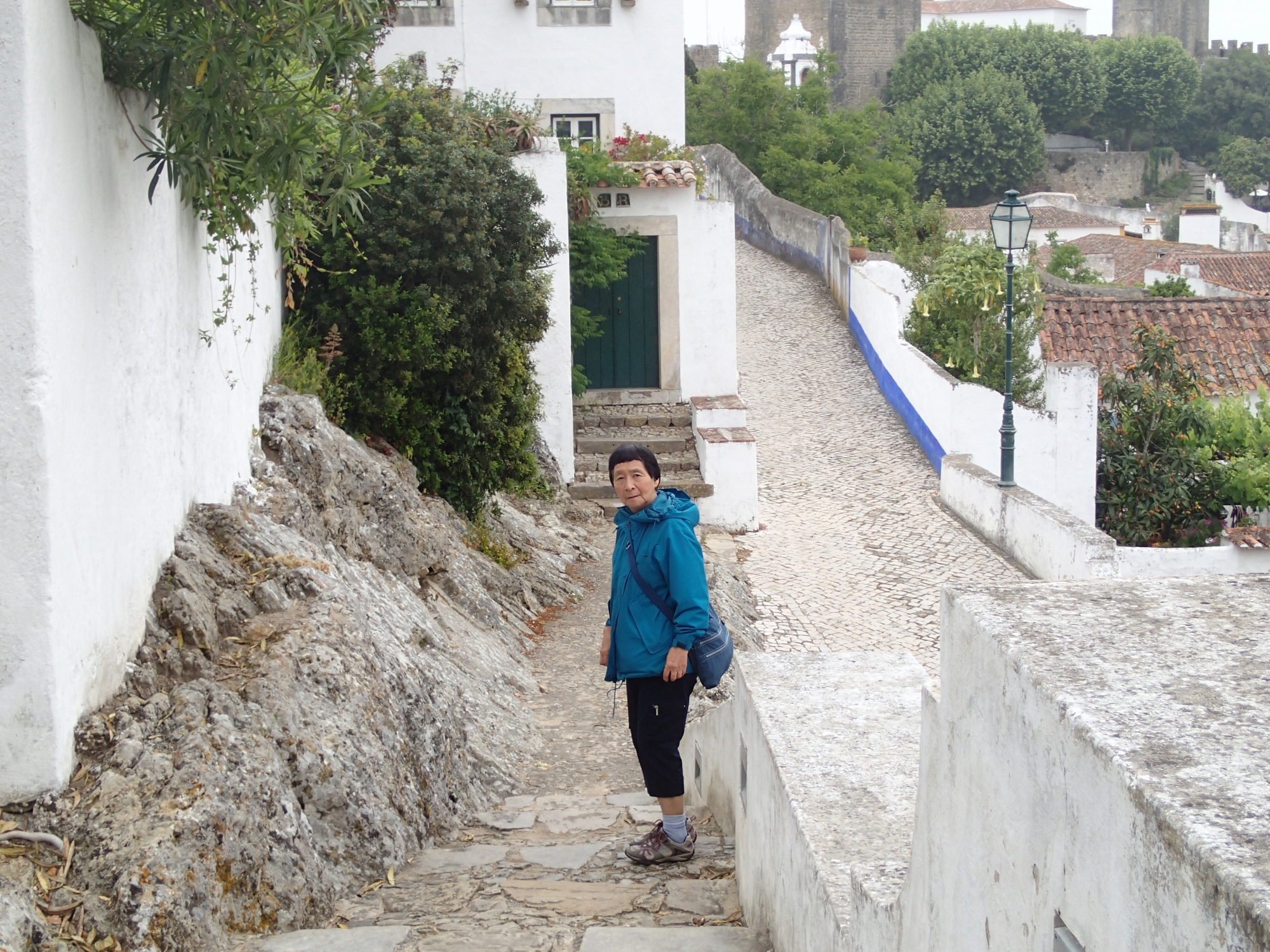
After Lisbon, we stopped off at the cute little fortified town of Óbidos. It is inherently quaint and well-preserved, though completely overrun with tourists, Through the city gate, we walked down the main street, which passes by one of the two main churches and ends at the other. Our guide bought us all shots of Ginjinha (or just, Ginja), which is a sour cherry liqueur, served in chocolate cups. Very charming. Unfortunately, there are at least 20 places, practically all lined up, intermixed with cookie-cutter tacky gift shops (and also one or two nice artisan shops), and about a thousand tourists squeezing to get by you as you drink your Ginja, so the charm wears off quickly. Here are a few pictures to give you a taste of the town (if you can photoshop-out the modern-day lamps, antennas, roadways, etc. in your mind):

This little gallery includes some of the perfunctory tourist shots that I had promised to cut back on, so I will have to make it up later with even more weird, abstract, obsessively-compulsively-symmetrical, where’s-the-damn-landmark(?!?!) photos.

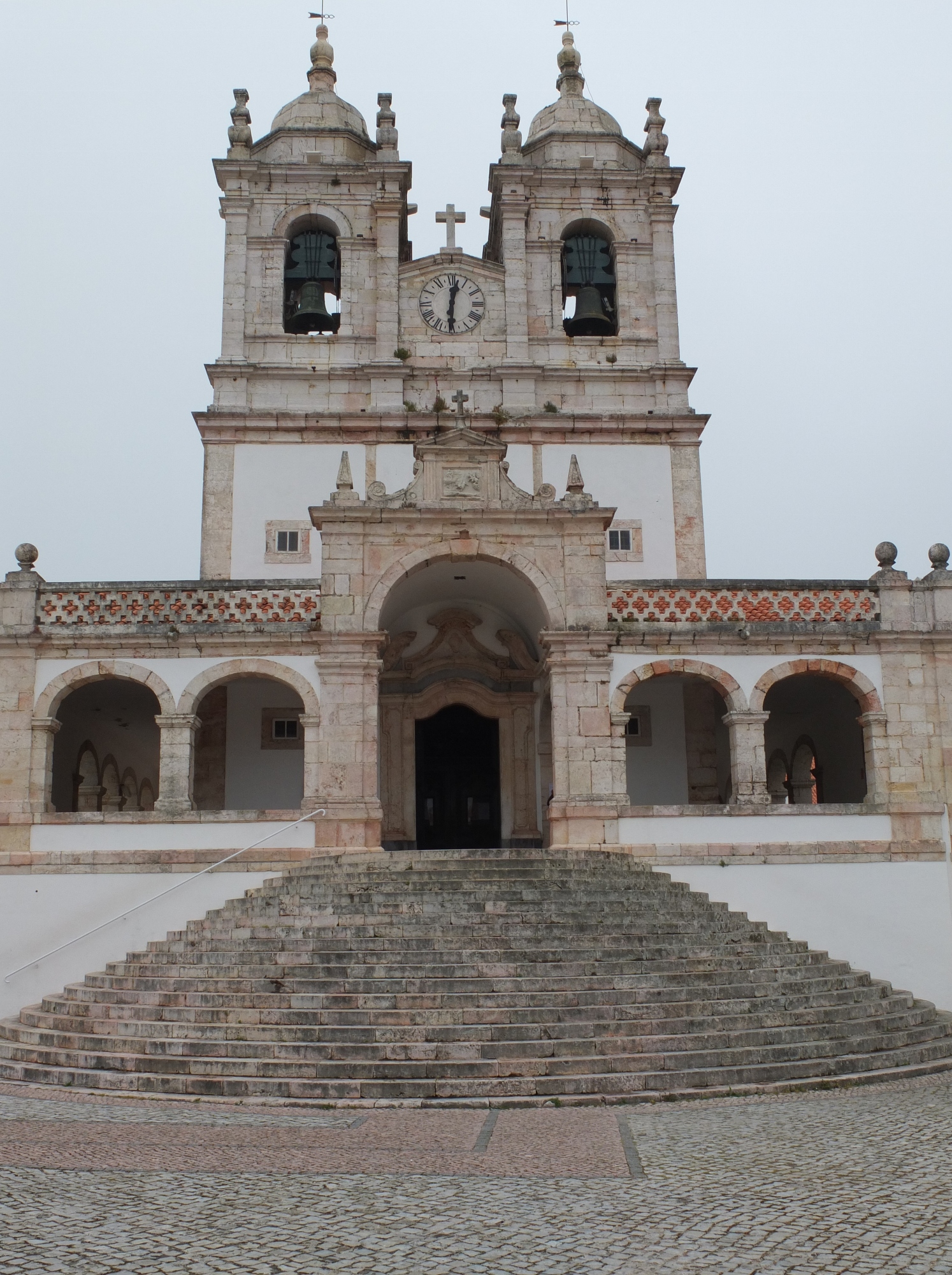
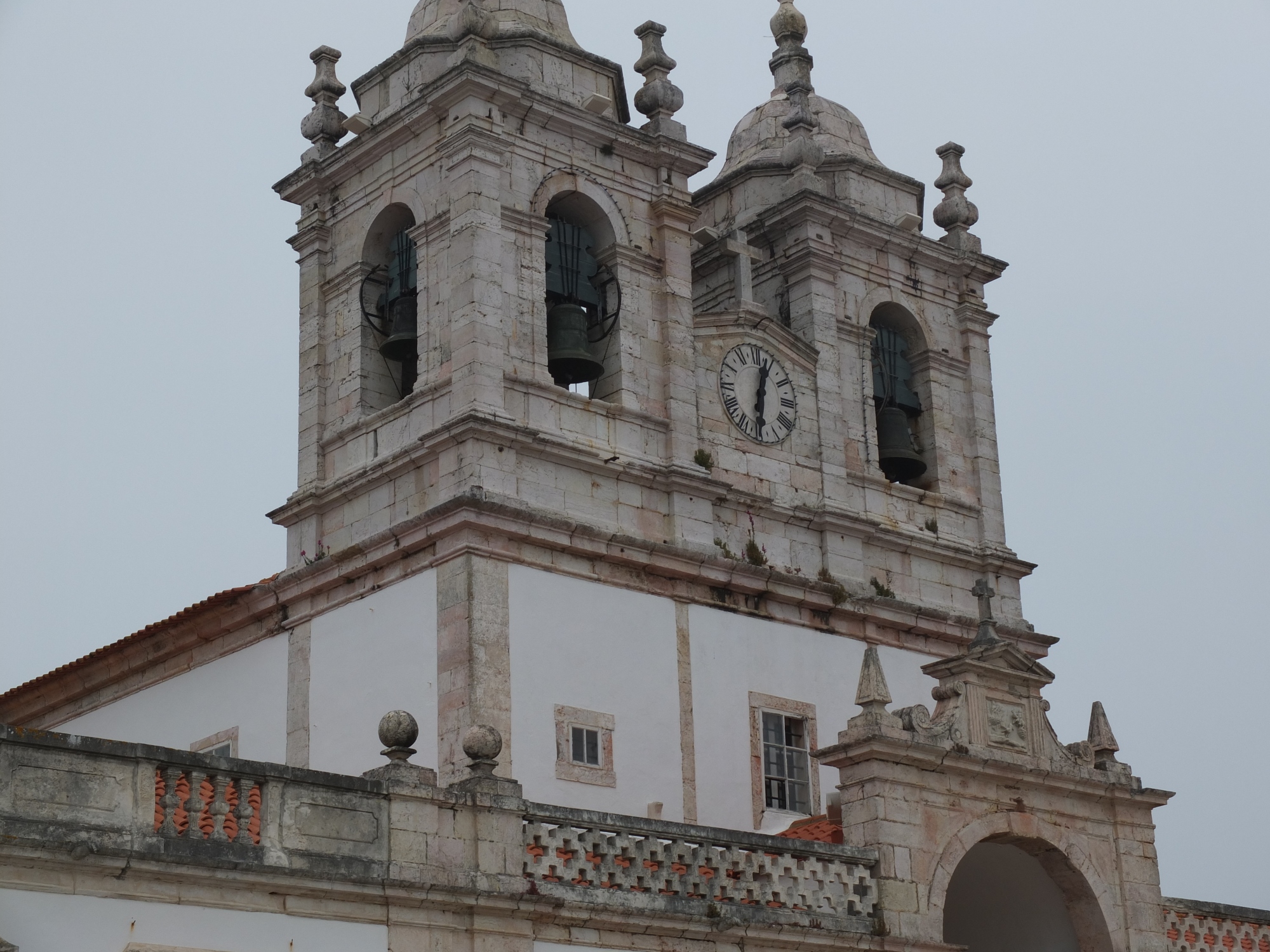
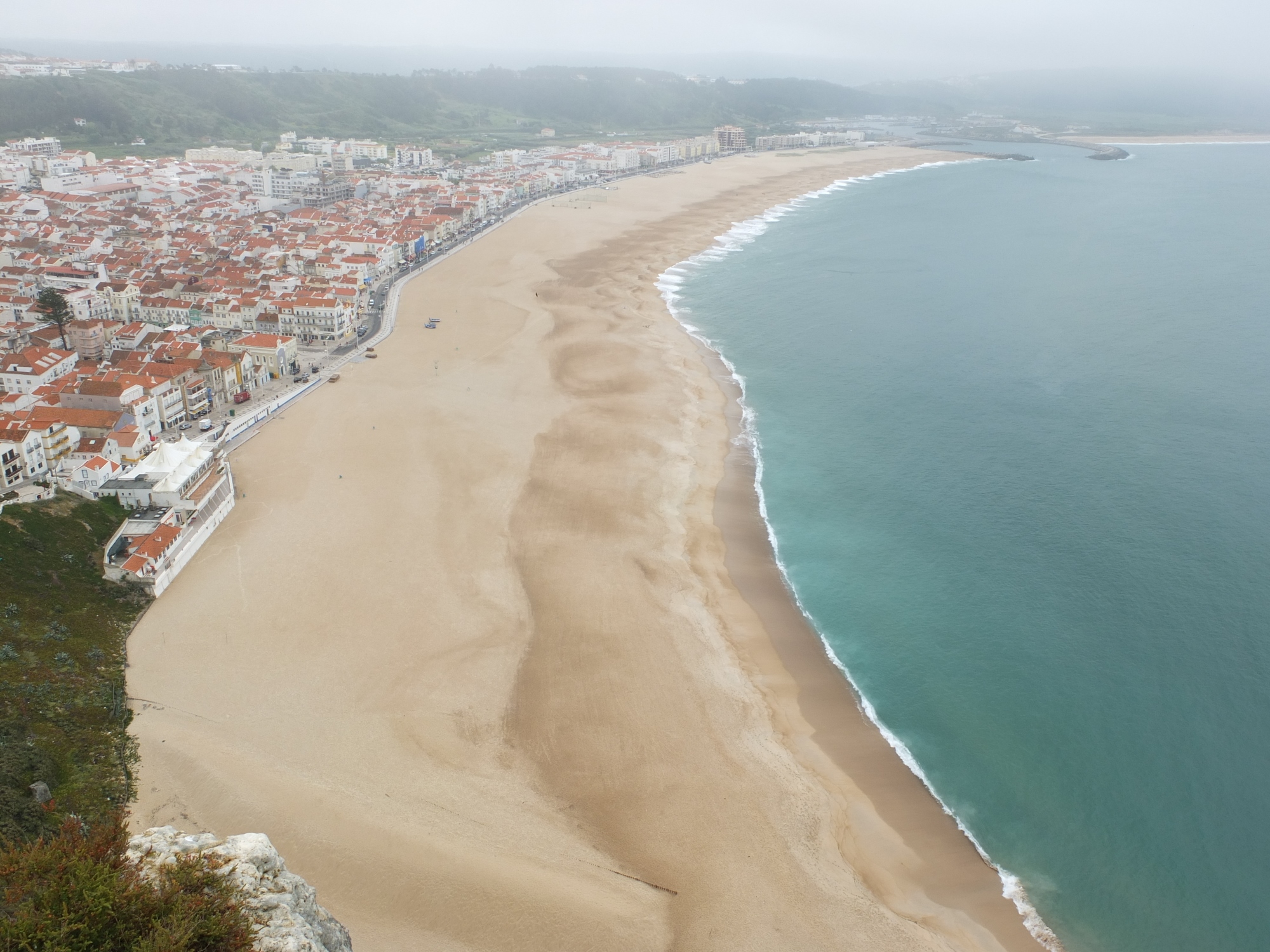
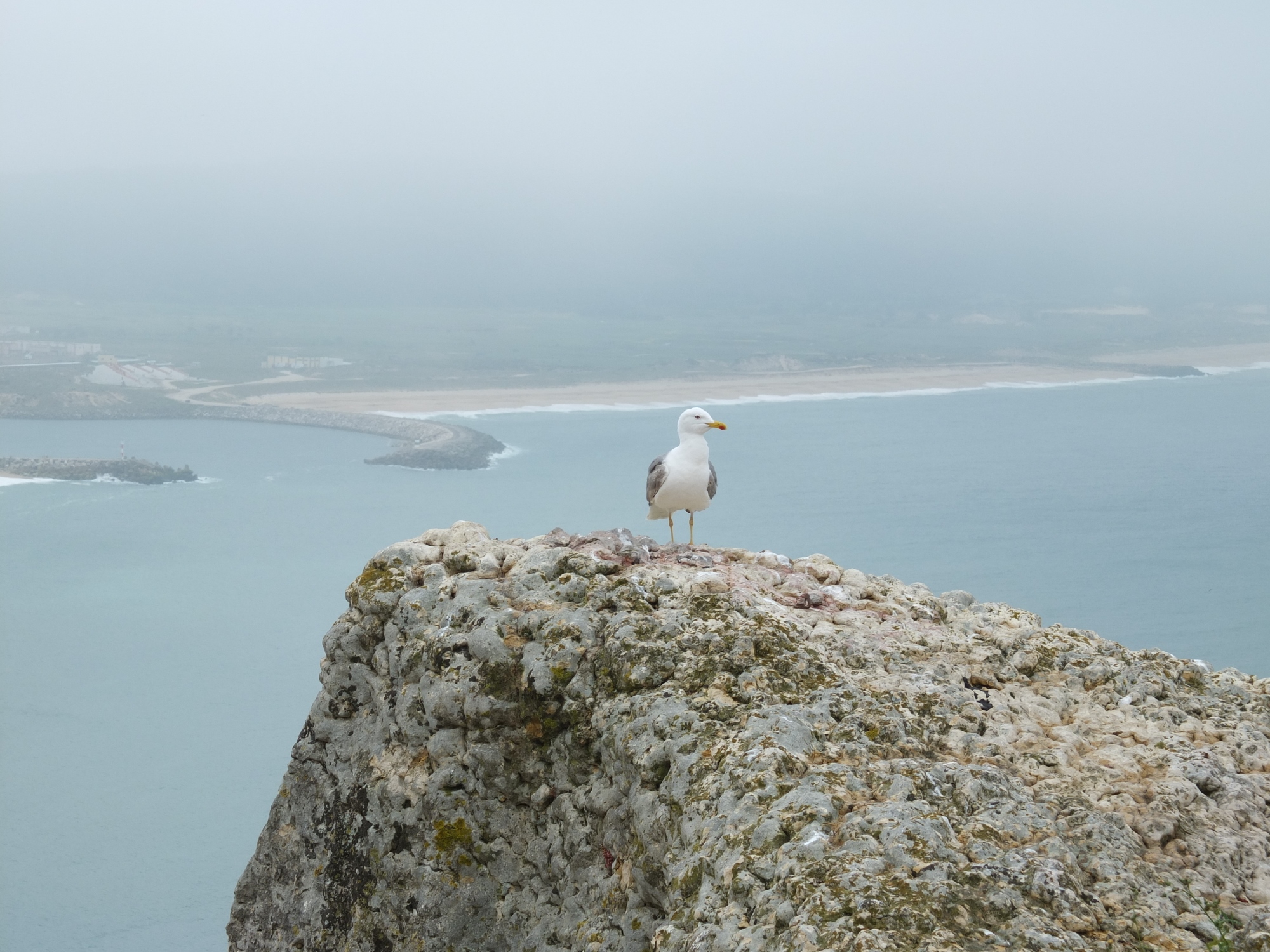
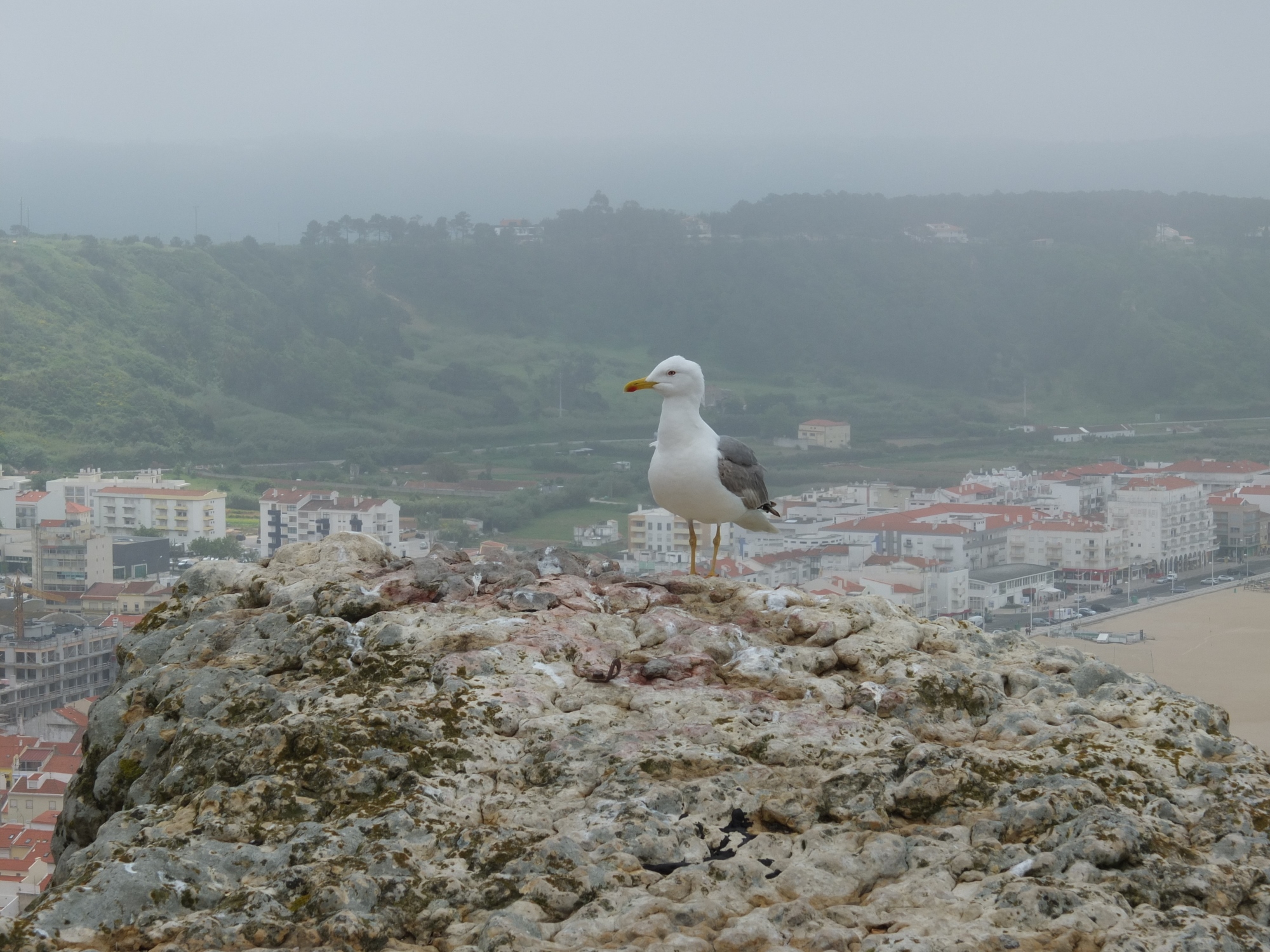
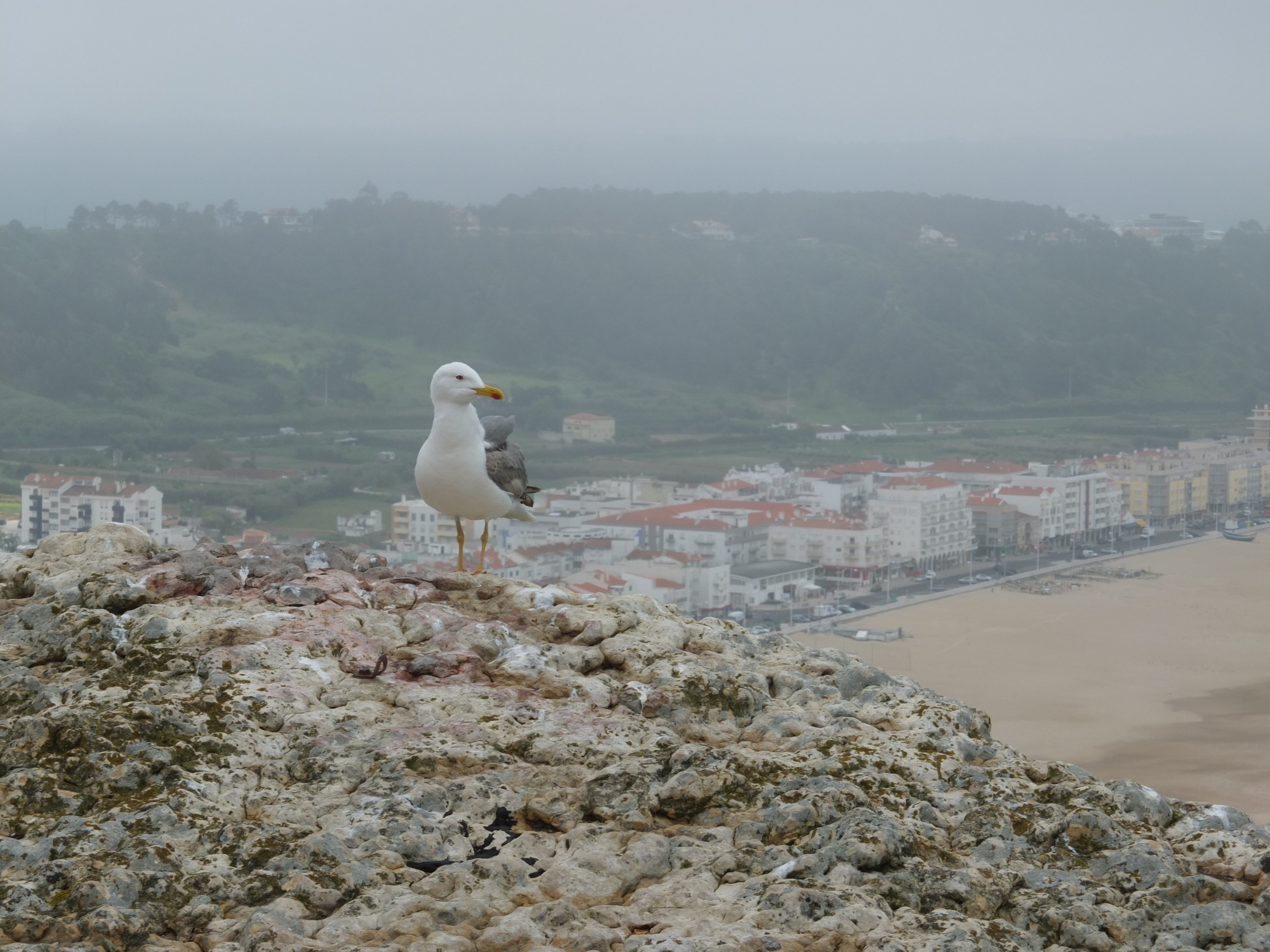
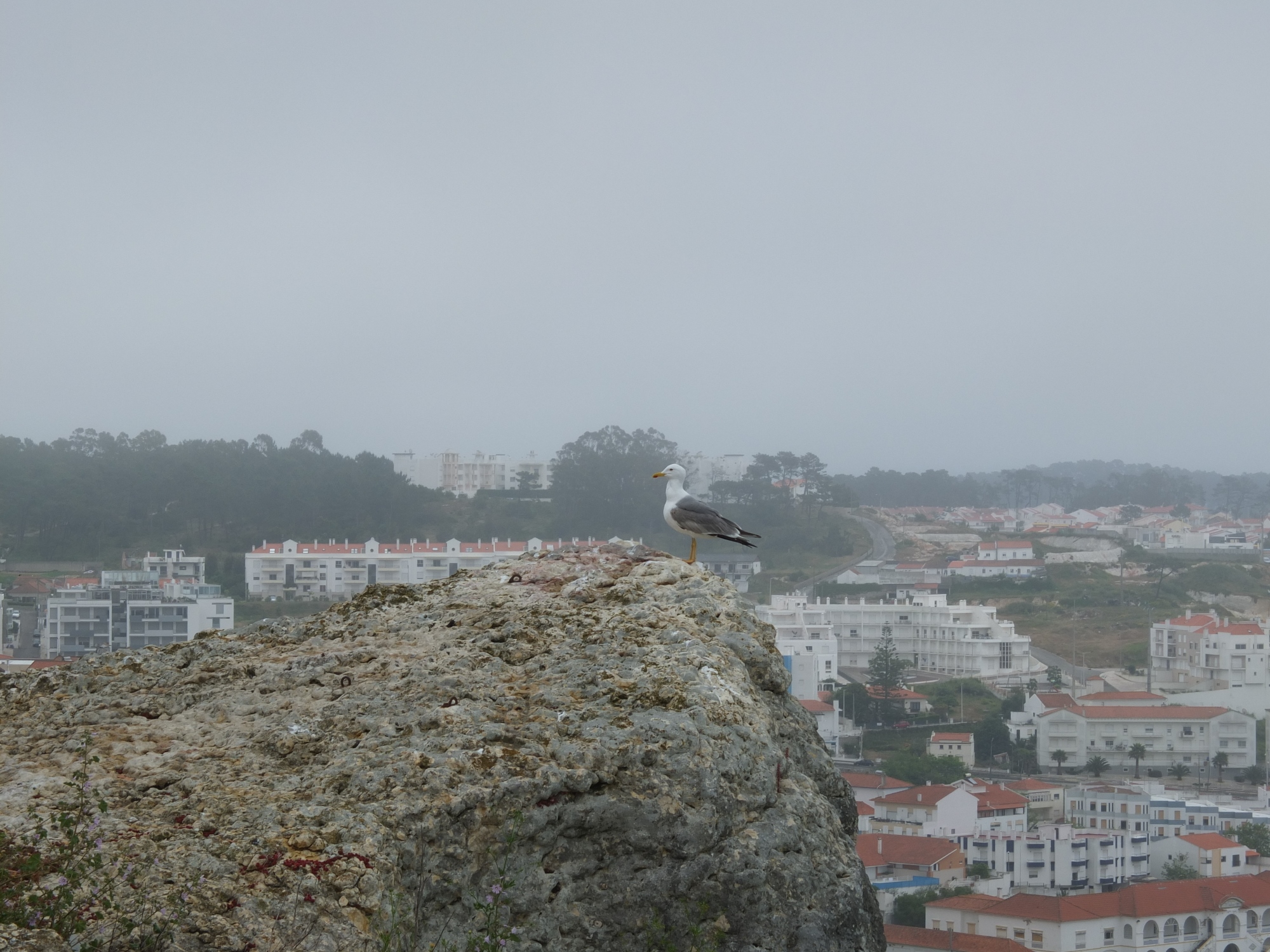
The next town we stopped in was Nazaré, which is a very popular beach town. But this was the off-season, so it was very empty and quiet. We first climbed to the area known as O Sitio, a high vantage point overlooking the beach (and when I say “we”, I mean: a bus and a diesel engine doing all of the actual climbing, and then us people sitting in cushy coach seating), where the legend of the Black Madonna (contributing the town’s name) was said to have transpired. Here is are several obligatory touristy shot of the church (of the legend) and the wide sandy beach below, along with some stupid pictures of a bird preening on a rock (this is a form of self-flagellation, since I don’t really like birds, unless dead on a plate, accompanied by fresh morels, and drizzled with an aromatic veal stock reduction):

Here’s one more as down payment for the next banal postcard shot I post:

DSCF3149 (2000x1500)

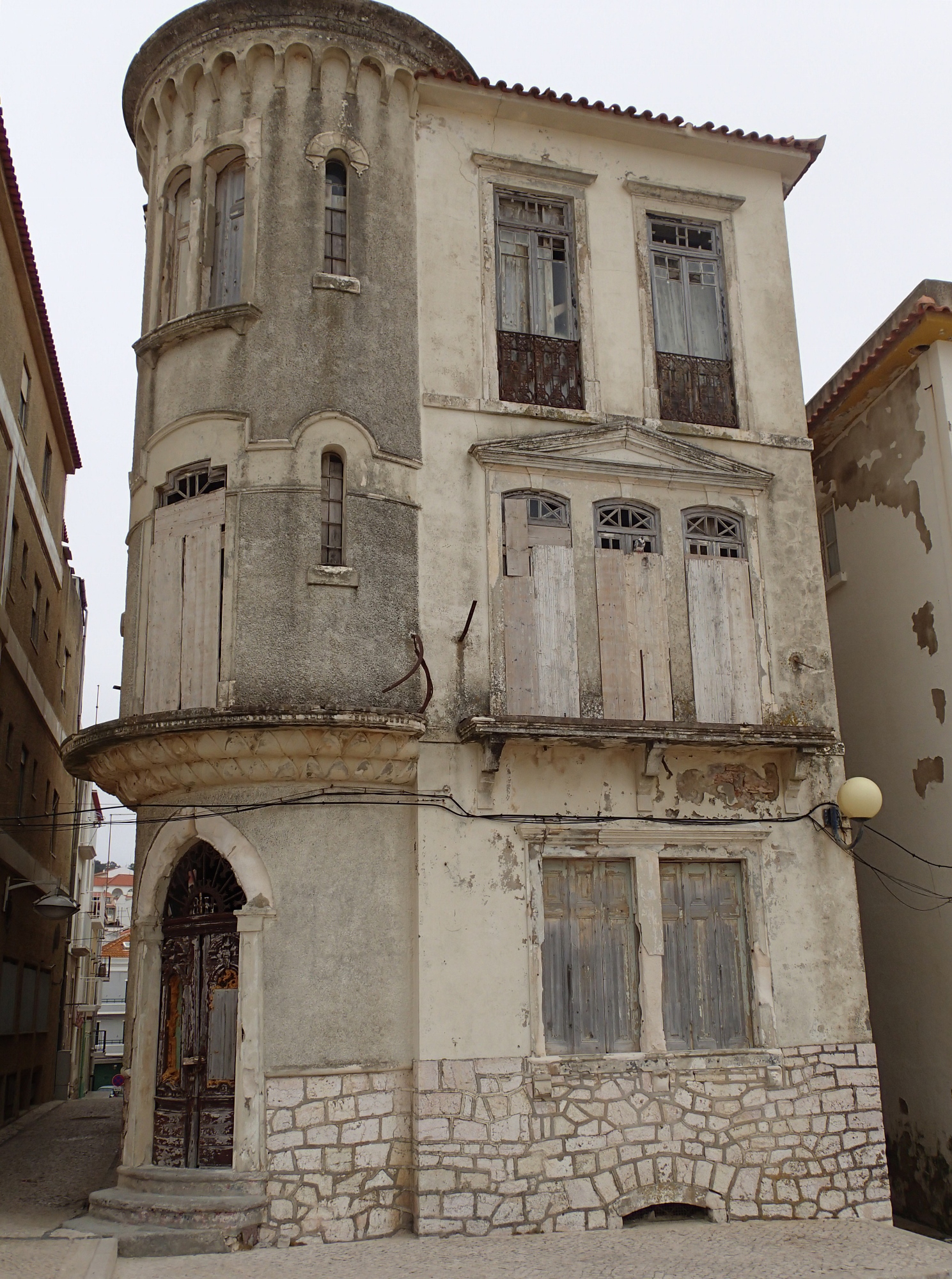
Mom and I had a nice lunch down in the town, after which we walked around looking at some of the buildings. There were actually some nice architectural details, though there were also formerly-nice** old buildings, with great locations right on the beach, that have been shamefully neglected and have fallen into varying states of dilapidation:

I’m actually going to have to break this topic into two parts, since the internet is kind of flaky right now and I am having trouble uploading the rest of the pictures (I’m embarrassed to say where we are, since it will show how far behind I am). So I’ll have to leave you hanging, for now, to contemplate the aptness of the title of this post.

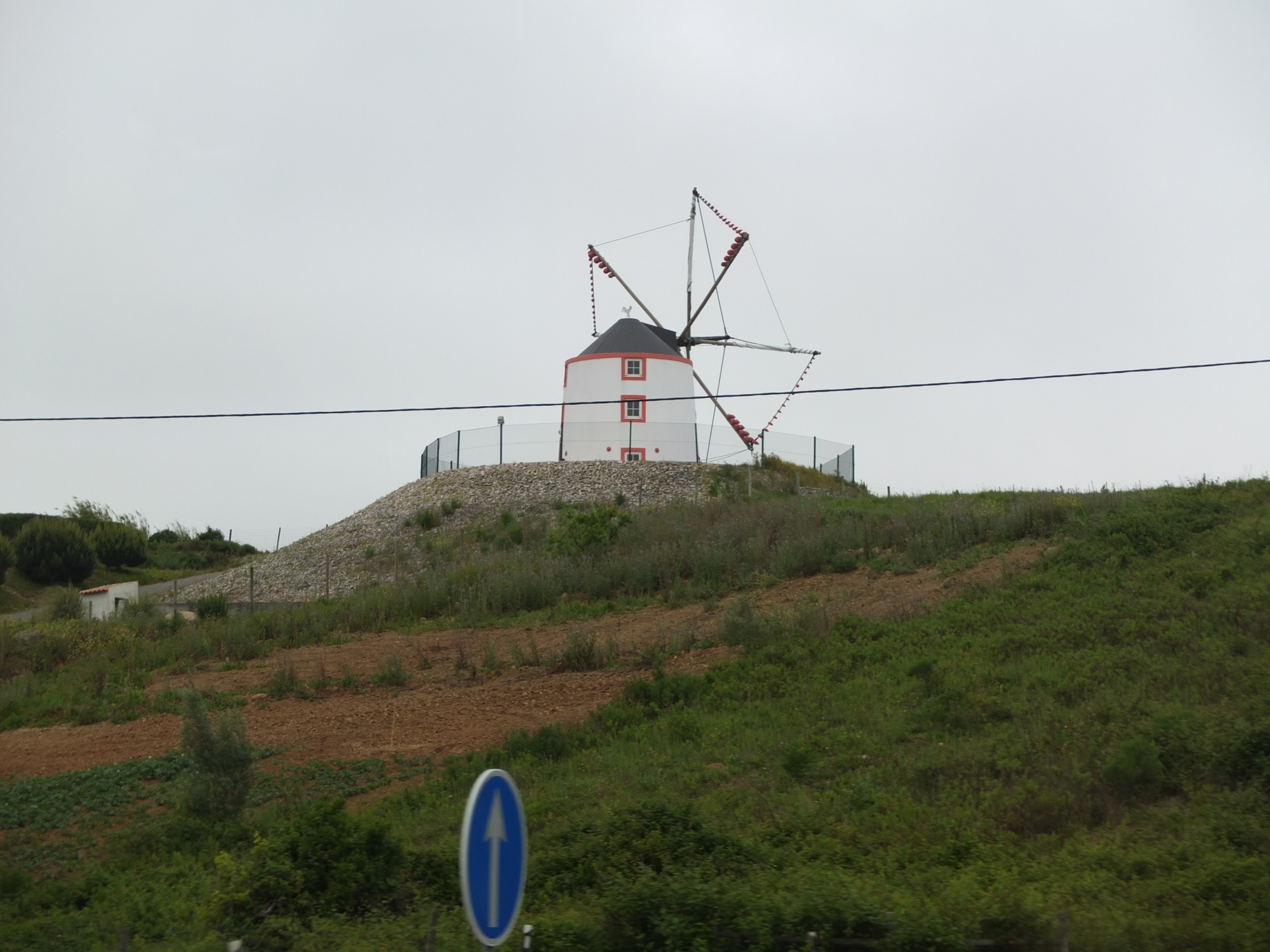
Actually, to tide you over, you can also contemplate the symbolism behind the blue arrow in this picture of a typical windmill, taken from the bus in the countryside between Lisbon and Porto:

DSCF3110 (2000x1500)

It’s got to be there for a reason.


* How many people agree with me on the hyphenation here? Those of you who do, would be correct. [Though the comma in the previous sentence is debatable.] [As is the structure of the previous sentence.] [As is the structure of the previous sentence, as well.] [As is the general use of brackets here.] [I think I’ll stop now.]

** Though I didn’t intend for it to be this way, inordinate hyphenation seems to be a running theme in the entry today.  Sorry about that.  Maybe I’ll try for zero hyphenated adjectives (and other parts of speech) in Part 2.

Ups and Downs in Lisbon

cropped-dscf2845-2000x15001.jpg

For those interested, here is a travel update, starting with Lisbon and Portugal. This is actually my third attempt at this post; the other two going in very strange directions, with enough melodrama and blather that they were relegated to the bit bucket in the sky before coming to fruition. Here’s the Joe Friday version.

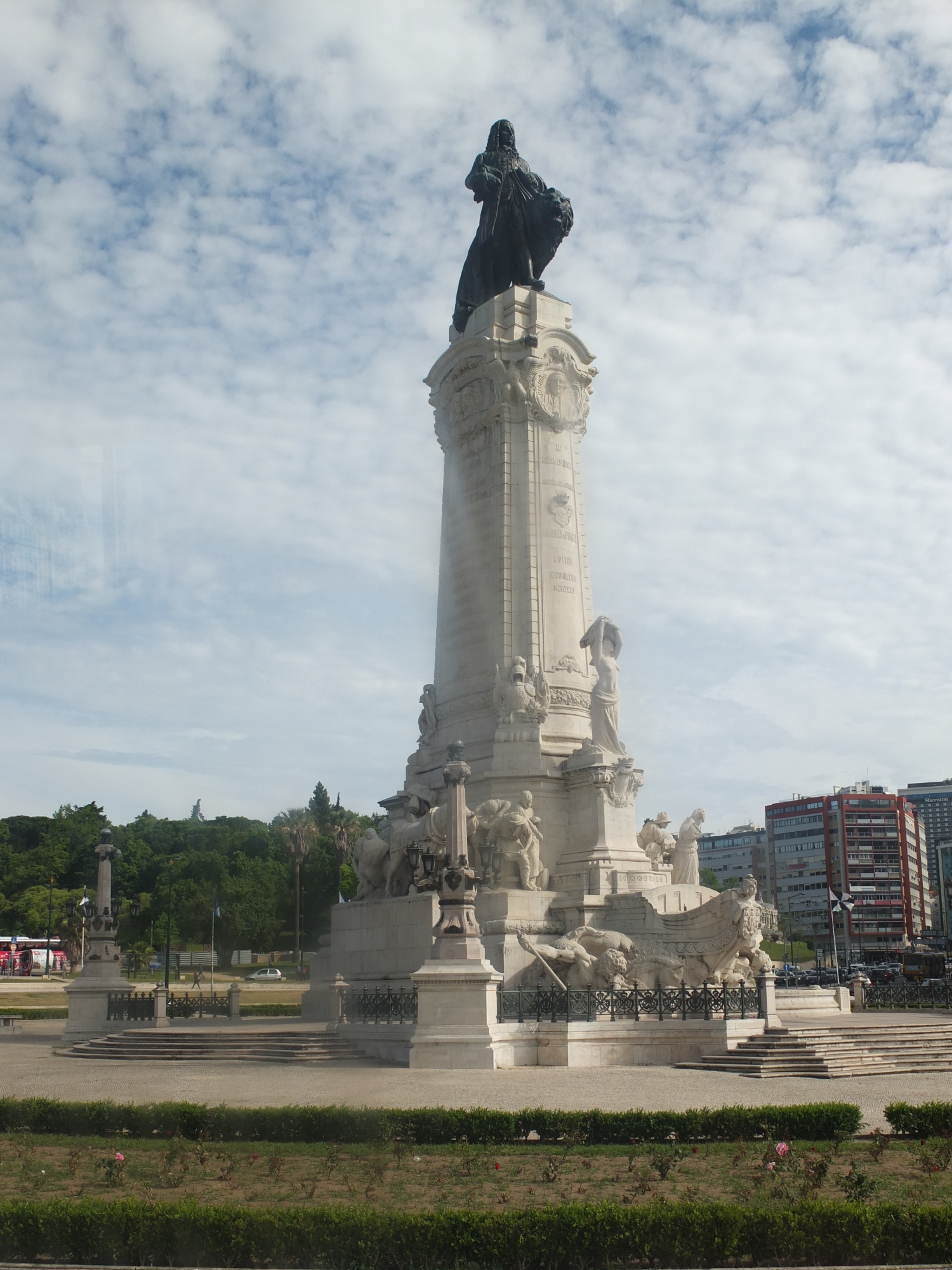
After suffering through a chaotic Gate 66 at SFO and crowded and frigid flight to EWR, Mom and I were unexpectedly upgraded for our flight to Lisbon. Very nice way to travel (reminiscent of Heaven and Earth), I wished the flight were about four hours longer in order to get in some additional sleep, but overall I’m not complaining. We were picked up, along with three other couples on our flight, by our guide Jesus and driver Carlos and transported through the city, which was just waking up, it seemed (it was 9:30 in the morning). The streets were clean and neat, and showed off their elegant and historical building facades. This is the first picture I took in Lisbon, showing the statue of the Marquês de Pombal in his eponymous plaza/roundabout, as we turned onto Avenida da Liberdade toward our hotel (we will see him again, perhaps):

DSCF2854 (1500x2000)

The hotel had a very good central location, about equidistant from the heart of the Baixa district (downtown) and the Gelbenkian Museum (more on that later). Since our rooms weren’t ready, Mom and I took a walk to the Castelo de São Jorge, up on the hill next to the Baixa district. It was getting warmer, so I took off my jacket and dangled it casually in one hand. I had my smaller camera and a little notebook in one of the zipped pockets, and their weight must have showed. I thought I felt a tug on the jacket, then another, so I jerked it forward and turned to see a somewhat scruffy-looking guy straighten up, and play as if slightly lost and trying to get his bearings. He didn’t even move away, he just stood there looking around, completely unaffected, as if nothing had happened. It was very unnerving. I actually wrote a long mournful, angry, dejected, indignant reflection/invective on good vs. evil and the human condition, in the aftermath of the incident (in one of the earlier incarnations of this post), but have since decided to discard the text and spare you the inconvenience of having to page down past it. I’ve gotten mostly past it, emotionally, and will be using it as a lesson learned for our days to come in Barcelona. It may have come as a blessing, though (hopefully) we won’t actually have to recognize it as such.

Anyway, we made it with possessions (thought not nerves) intact, and walked through the grounds, and then the structure, of the Moorish castle. Here is the view from the castle looking south across the Rio Tejo; you can see the Cristo Rei statue (the inspiration should be apparent—I’ll leave that statement ambiguous) on the Almada side:

P5070006 (2000x1486)

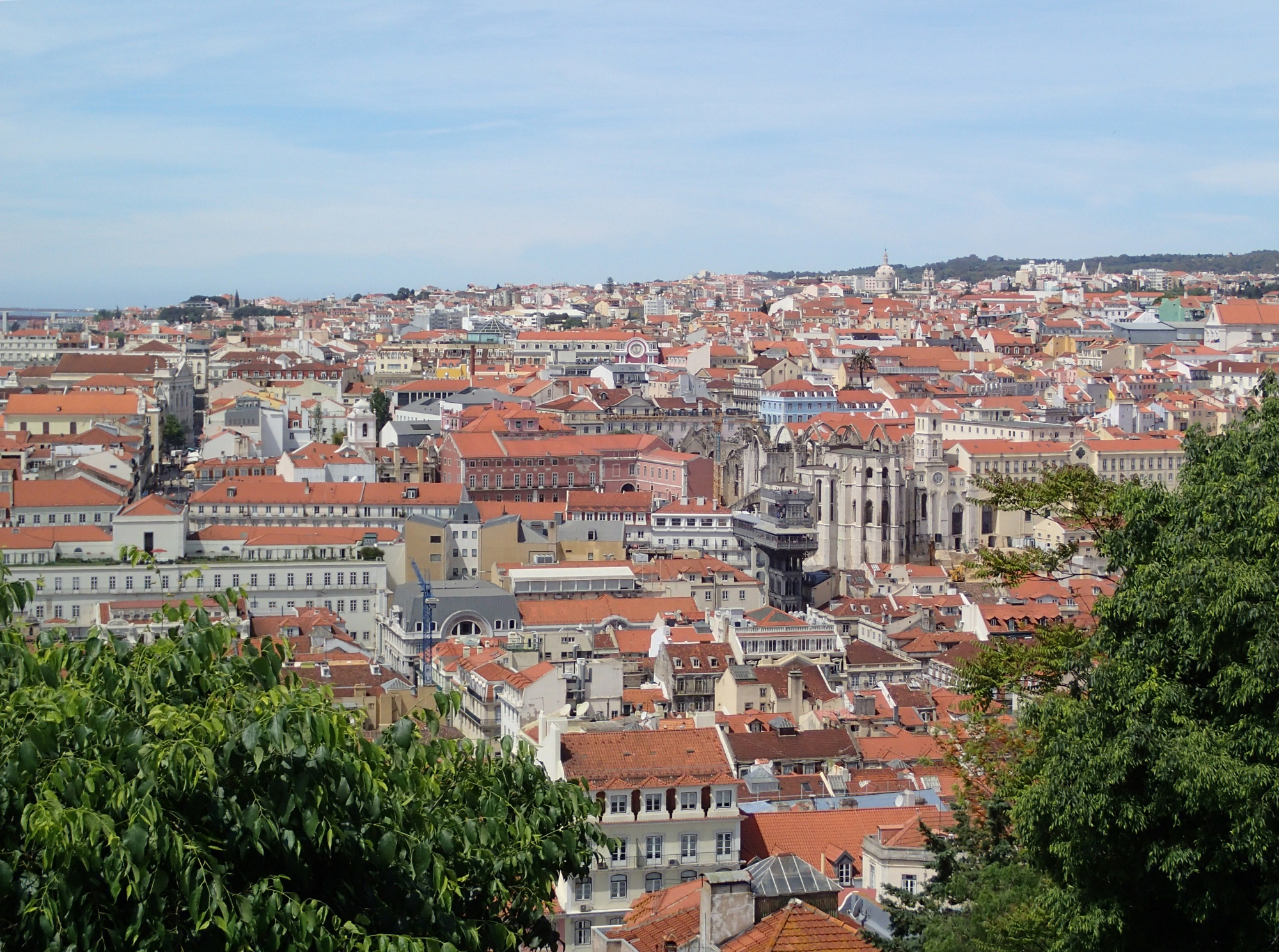
And here is the view looking west over the Baixa district, including the Elevador de Santa Justa (not designed by Gustav Eiffel—though we will see something designed by him later in Porto):

P5070007 (2000x1489)

To tell you the truth, I was still shaken by the pickpocket attempt and could not enjoy the stroll through the castle property or remains of the edifice, which both should have been quite interesting. My mind was on our carry-on bags, which we had left, supposedly attended by the porters (though the area was completely accessible and unsecured), in the lobby of the hotel. I didn’t want to alarm Mom, but I voiced my concern, and we ended up beelining it back to the hotel, skipping lunch, and blowing by the other sights we had wanted to see in Baixa.

We spent the rest of the afternoon in the hotel, and attended the welcome dinner for the trip that night in the hotel restaurant. We were treated to mediocre food and really poor service, but it was nice to sit down with, and start getting to know, some of our traveling companions. Everyone was upbeat and amiable, and there were interesting stories to share, so the day ended on a good note.

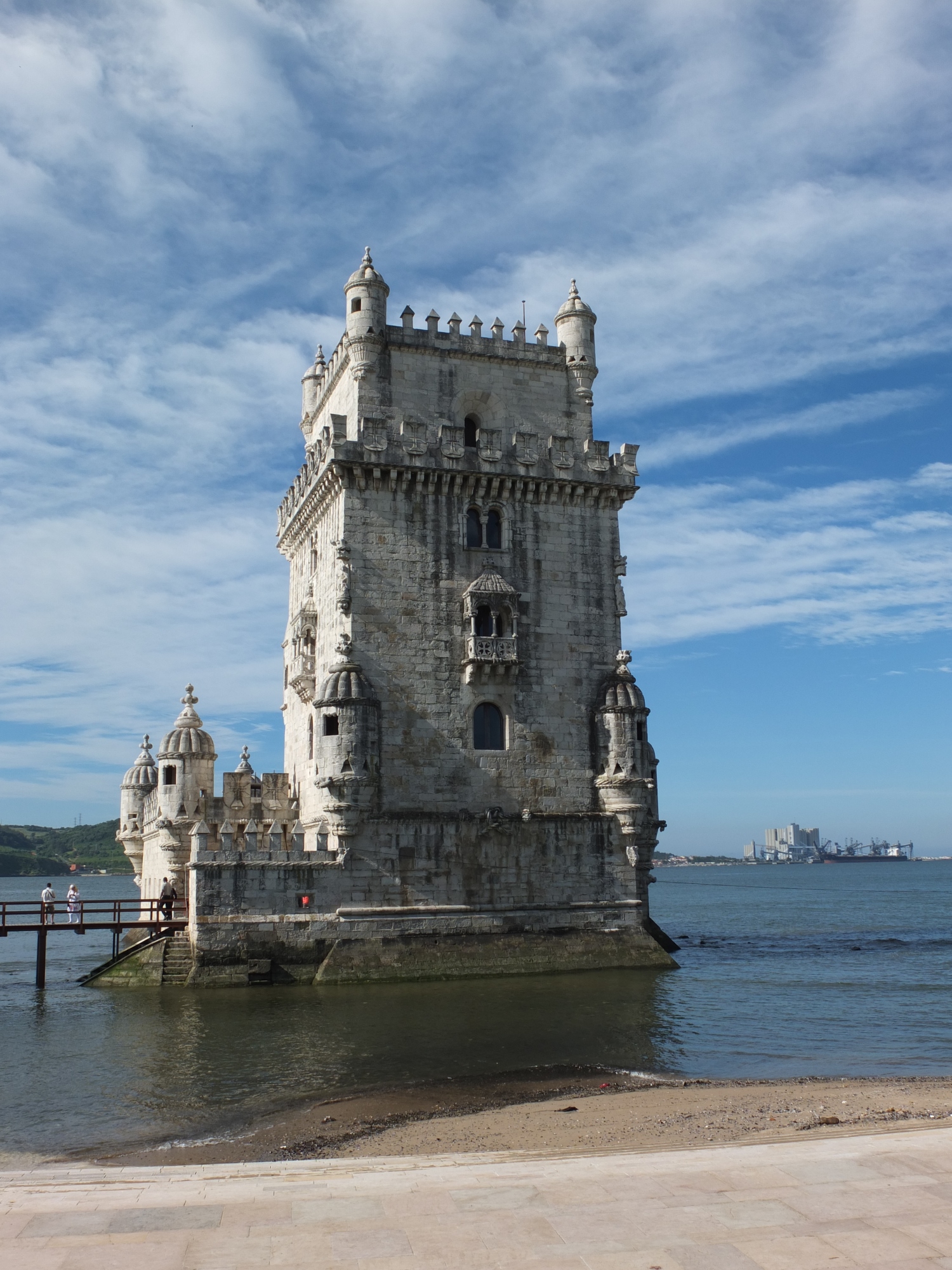
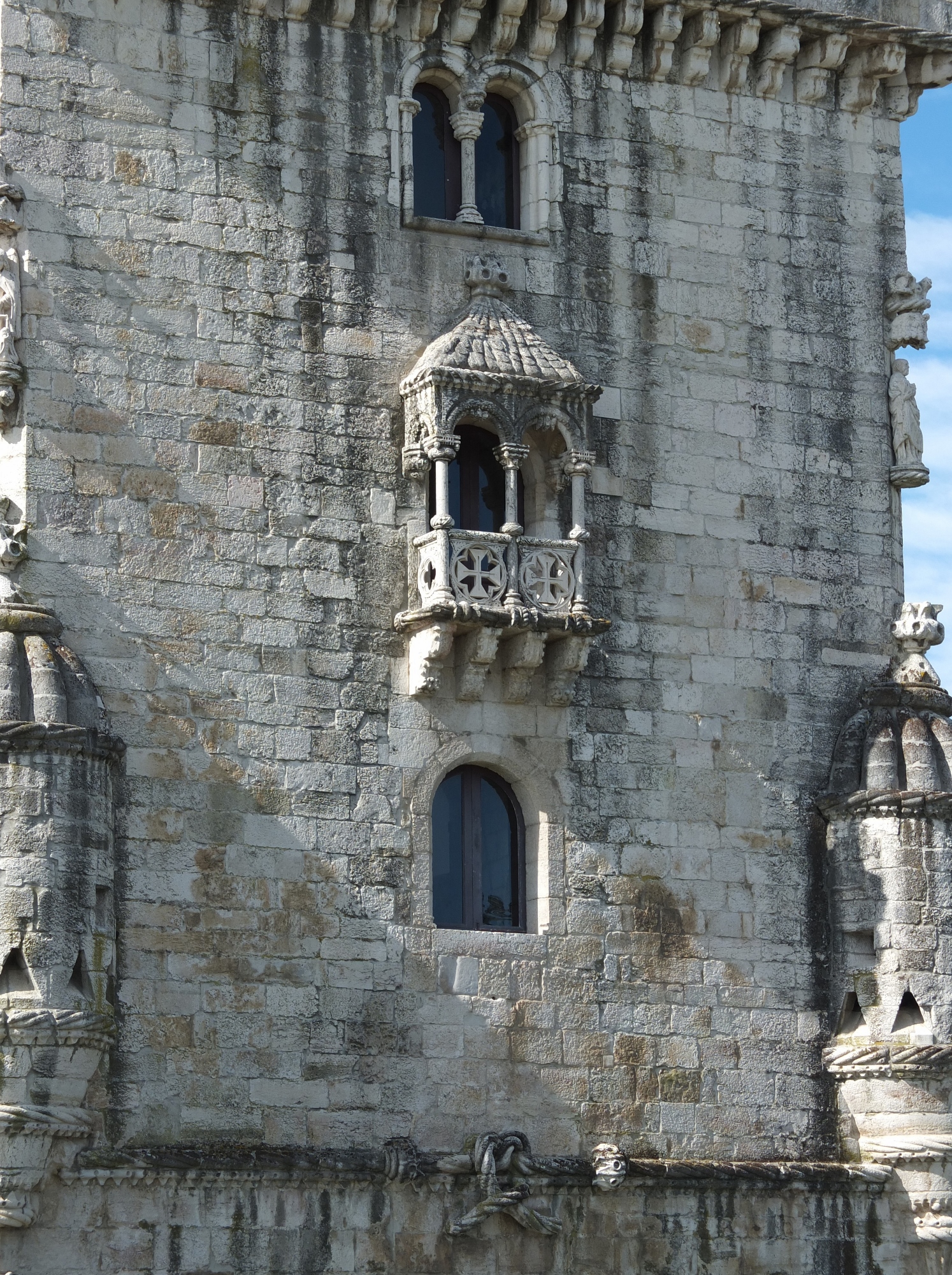
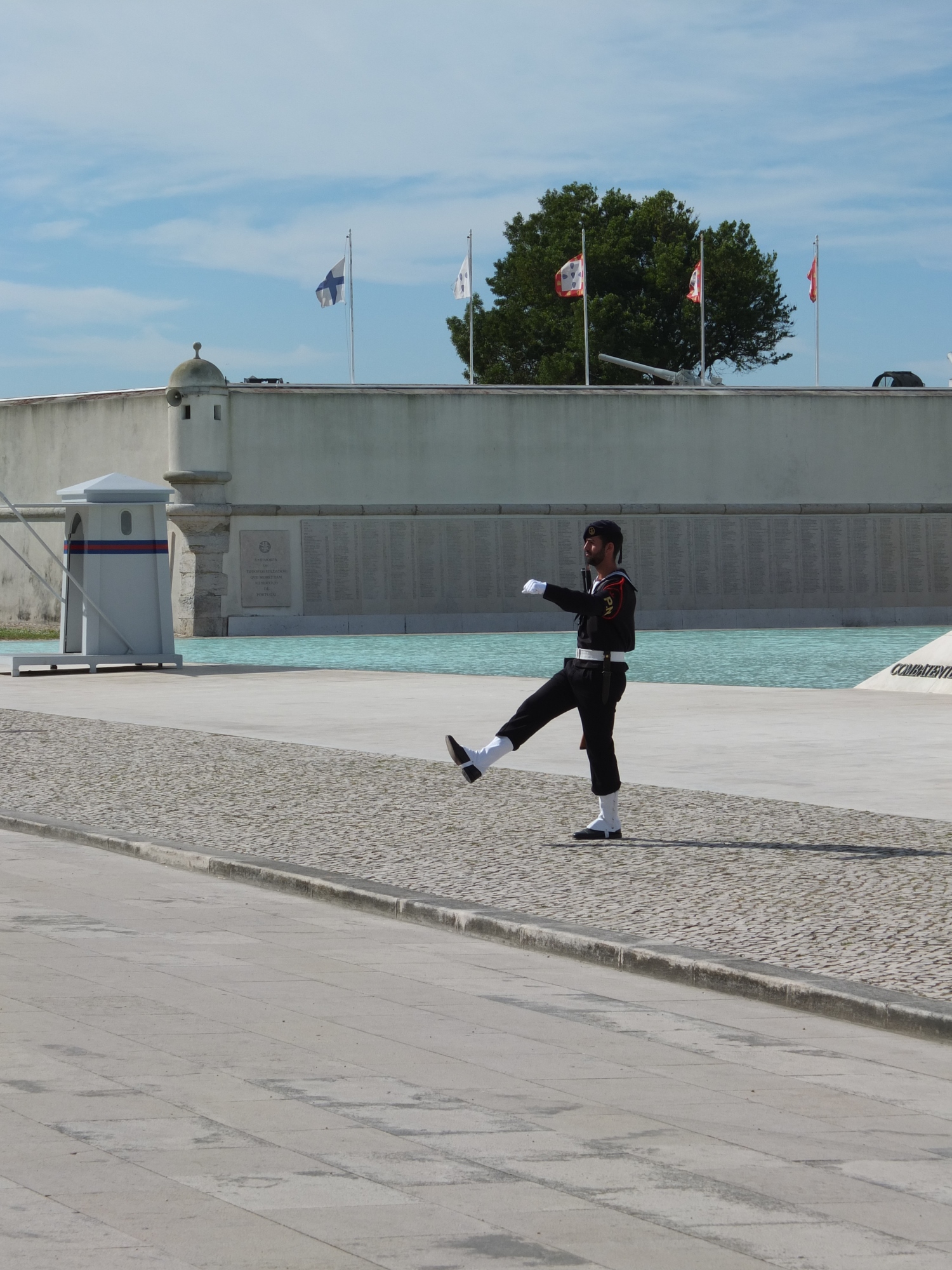
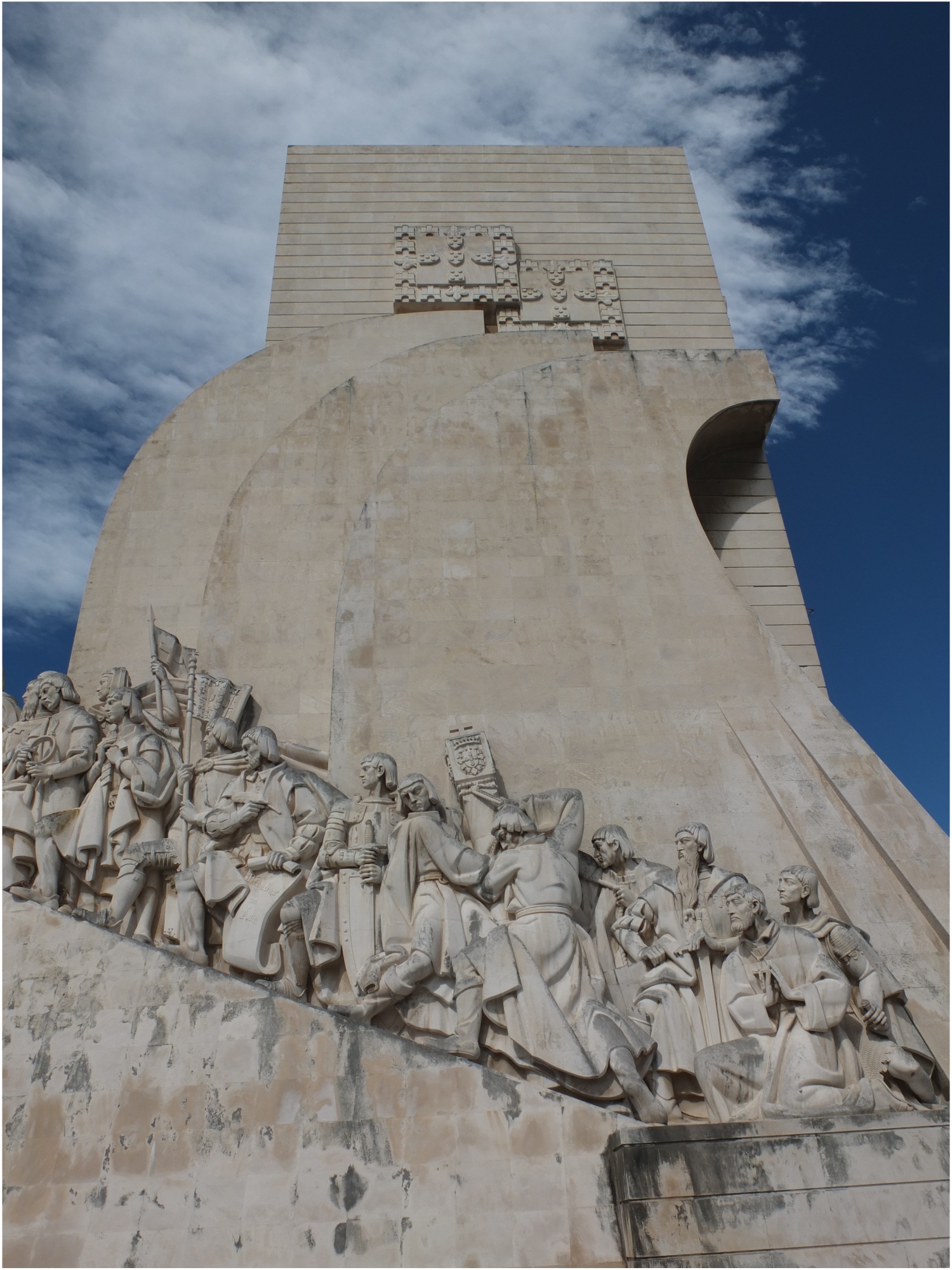
The next morning, after breakfast (this time, good food and really poor service), we did our compulsory bus tour of a few standard tourism sights in and around the city. Here are some correspondingly compulsory pictures of the Tower of St. Vincent, War Memorial, and the Monument to the Discoveries in the Belém section of Lisbon:

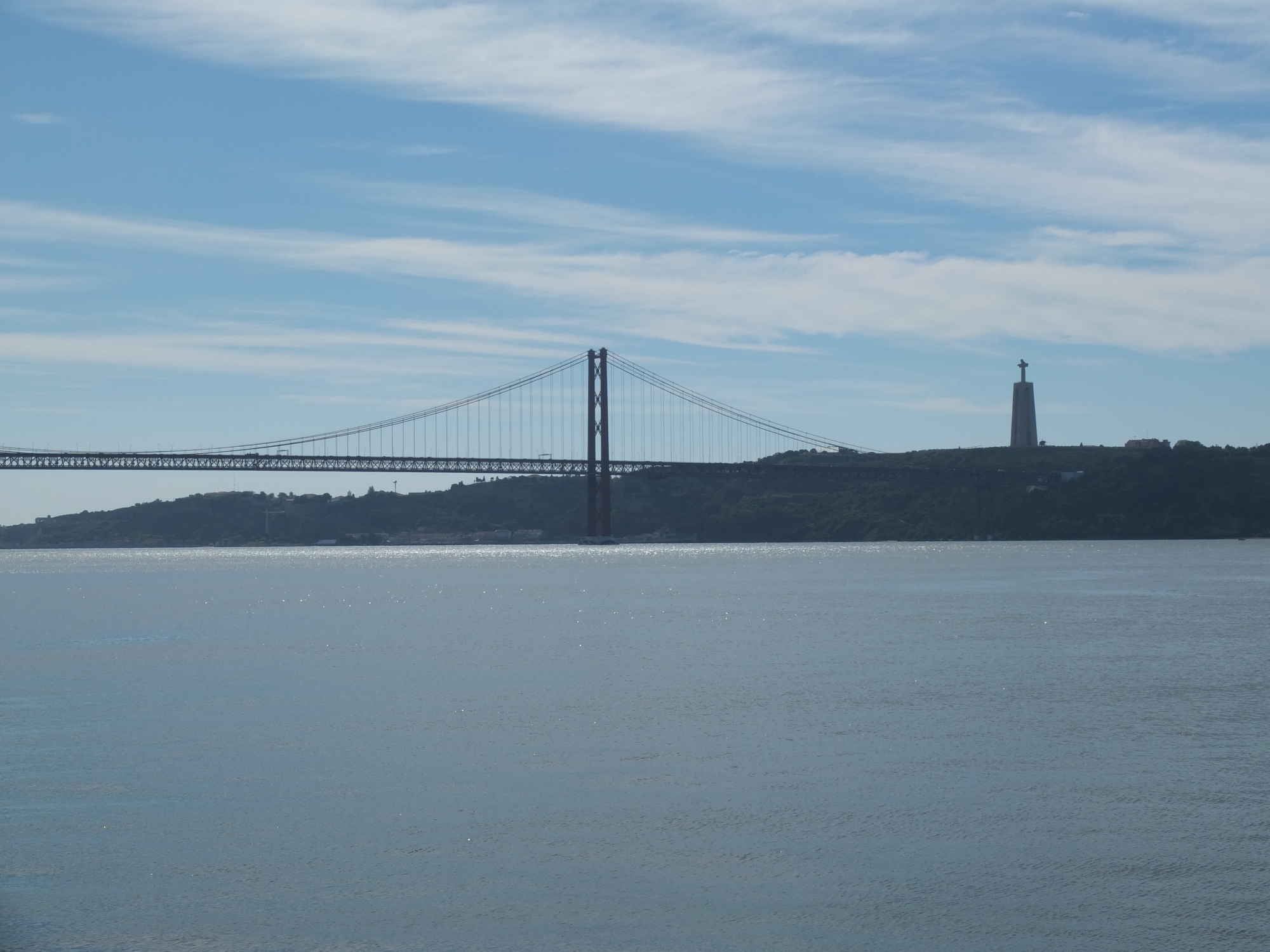
The last picture here is the view of the 25th of April Bridge (and the Cristo Rei again) from the Monument of the Discoveries site, in unfavorable light conditions. There is a somewhat humorous irony, at least for Bay Area folks, related to the builder of this bridge, which I’ll leave up to you to discover for extra credit. I apologize for the unimaginative postcard-style composition and framing for some of these pictures; I will try and keep those to a minimum from now on. Note, however, there will likely be a number of pictures that appear at first to be mundane tourist snapshots, but are really strong pronouncements of symmetry, perspective skew, or context-free zoom-in that could only come from the mind and insistence of a truly obsessive-compulsive individual. In those cases, the subjects themselves don’t really matter, but rather serve purely as artistic media for completely abstract statements.

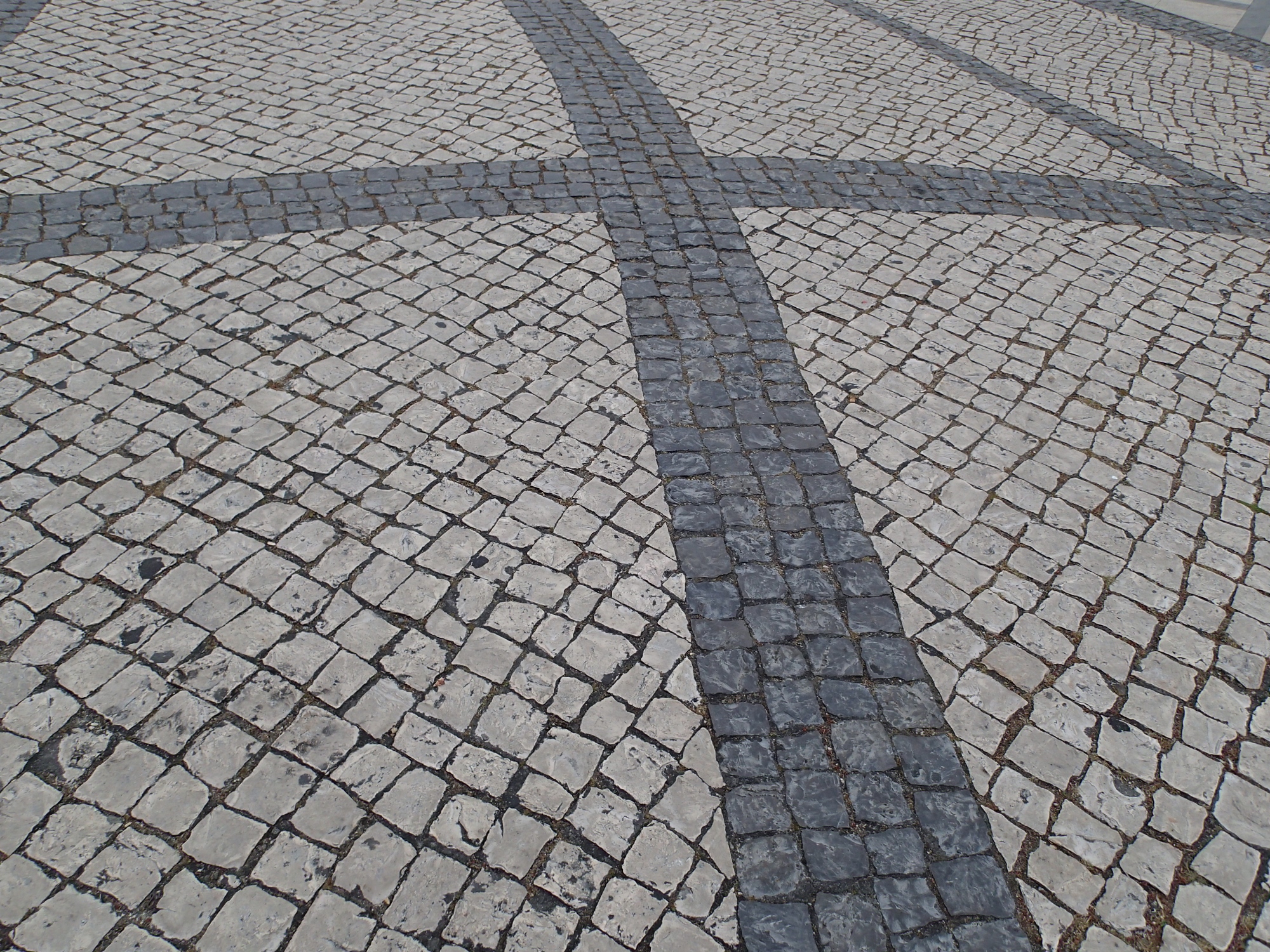
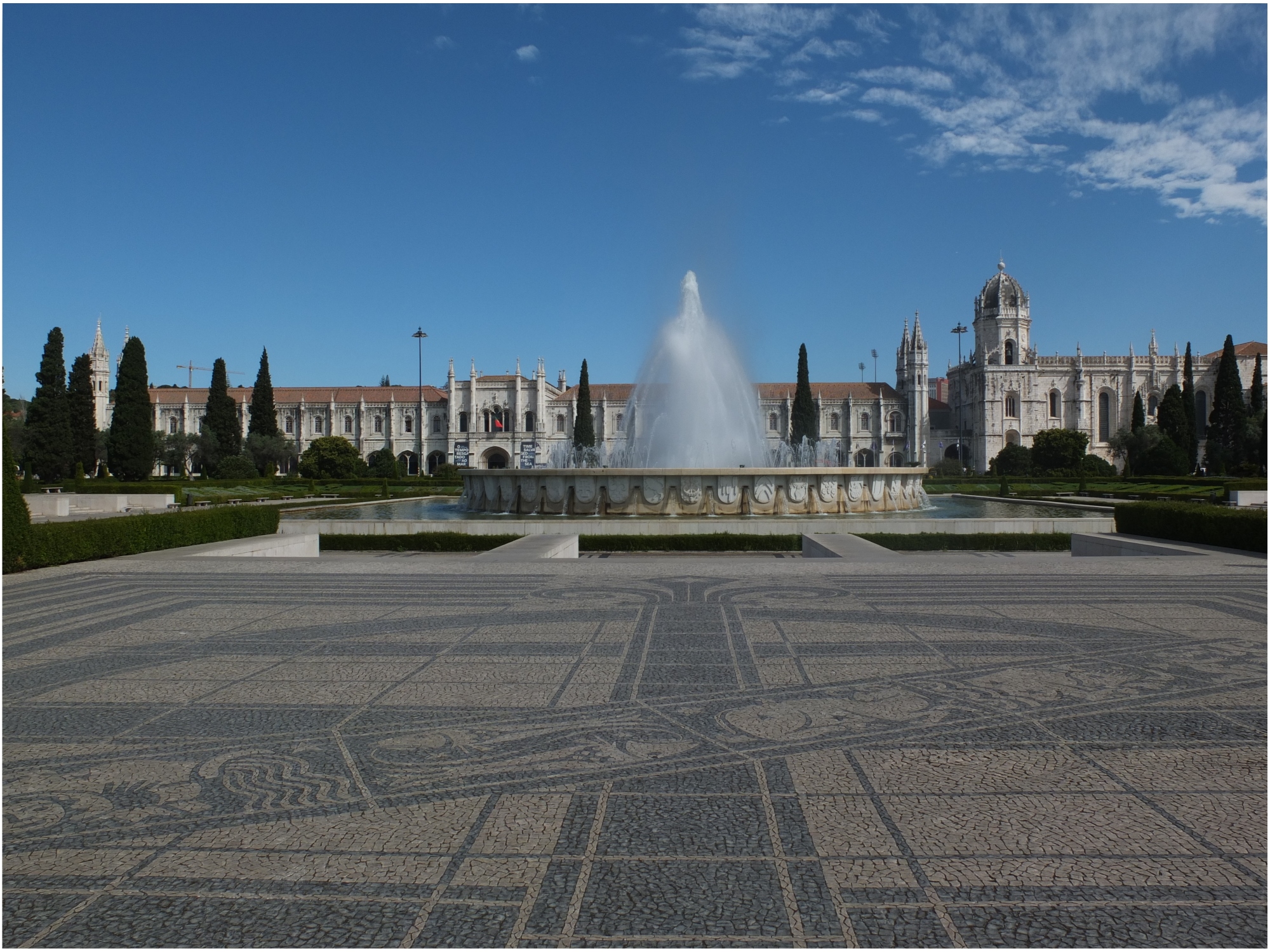
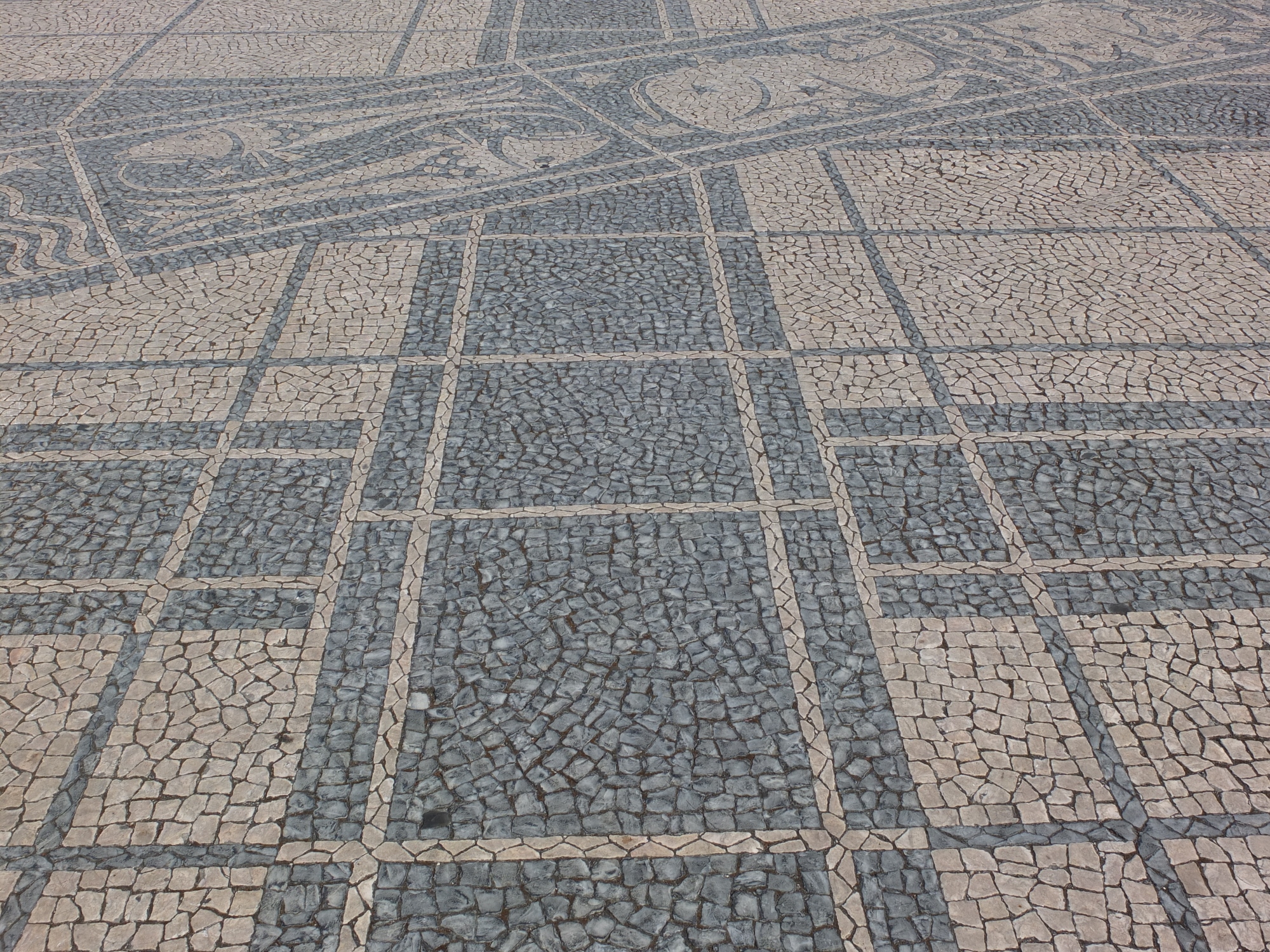
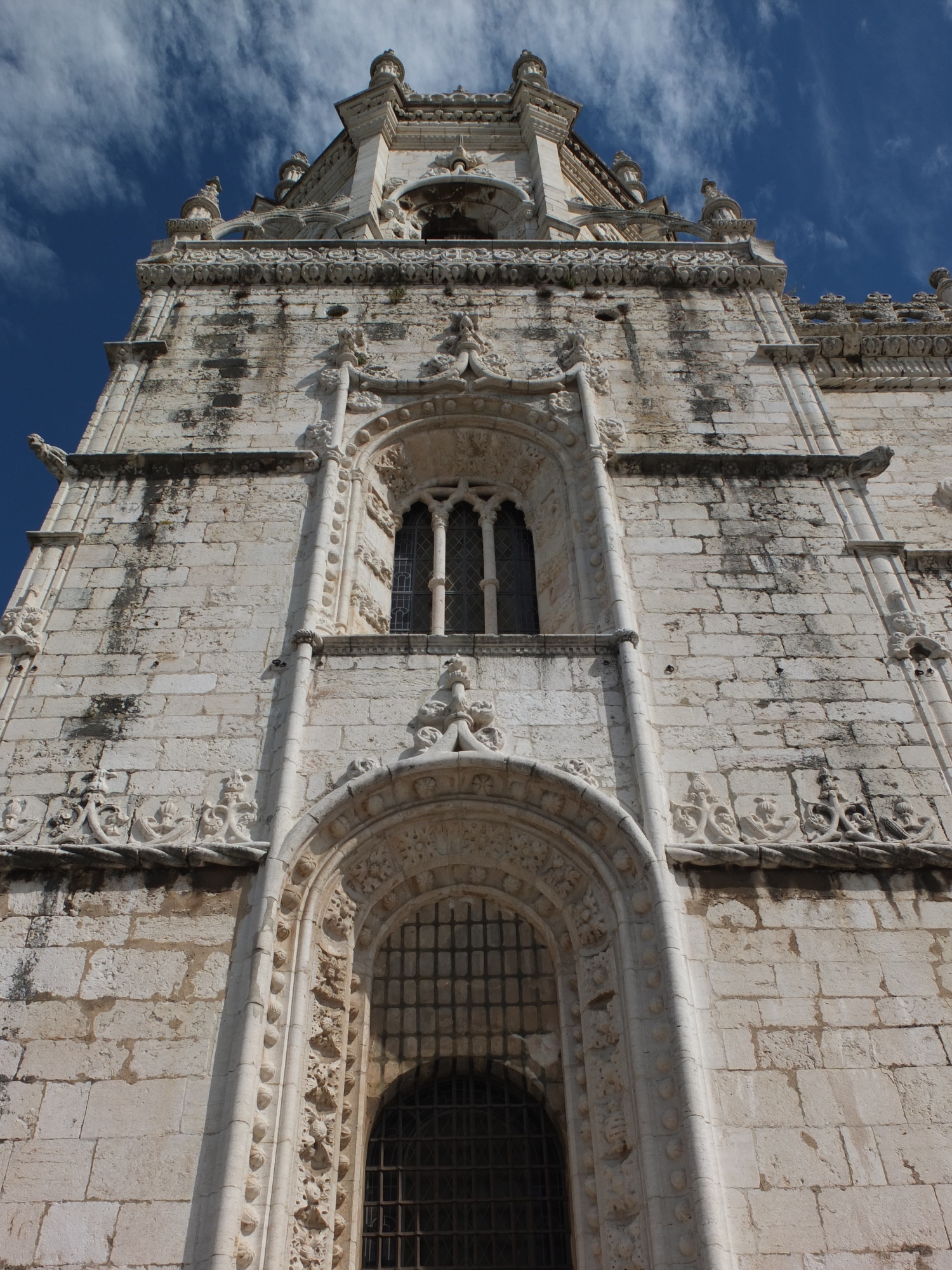
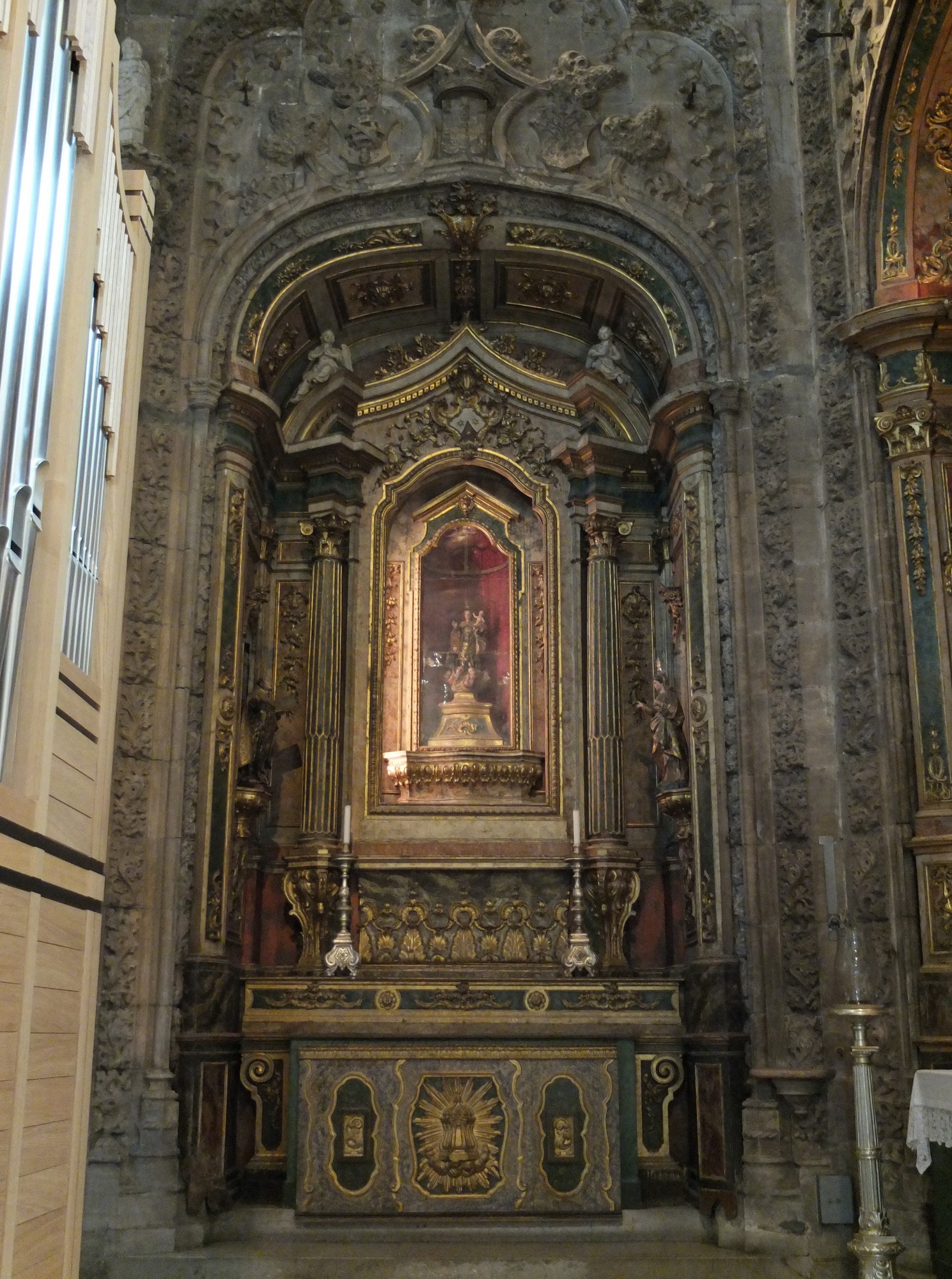
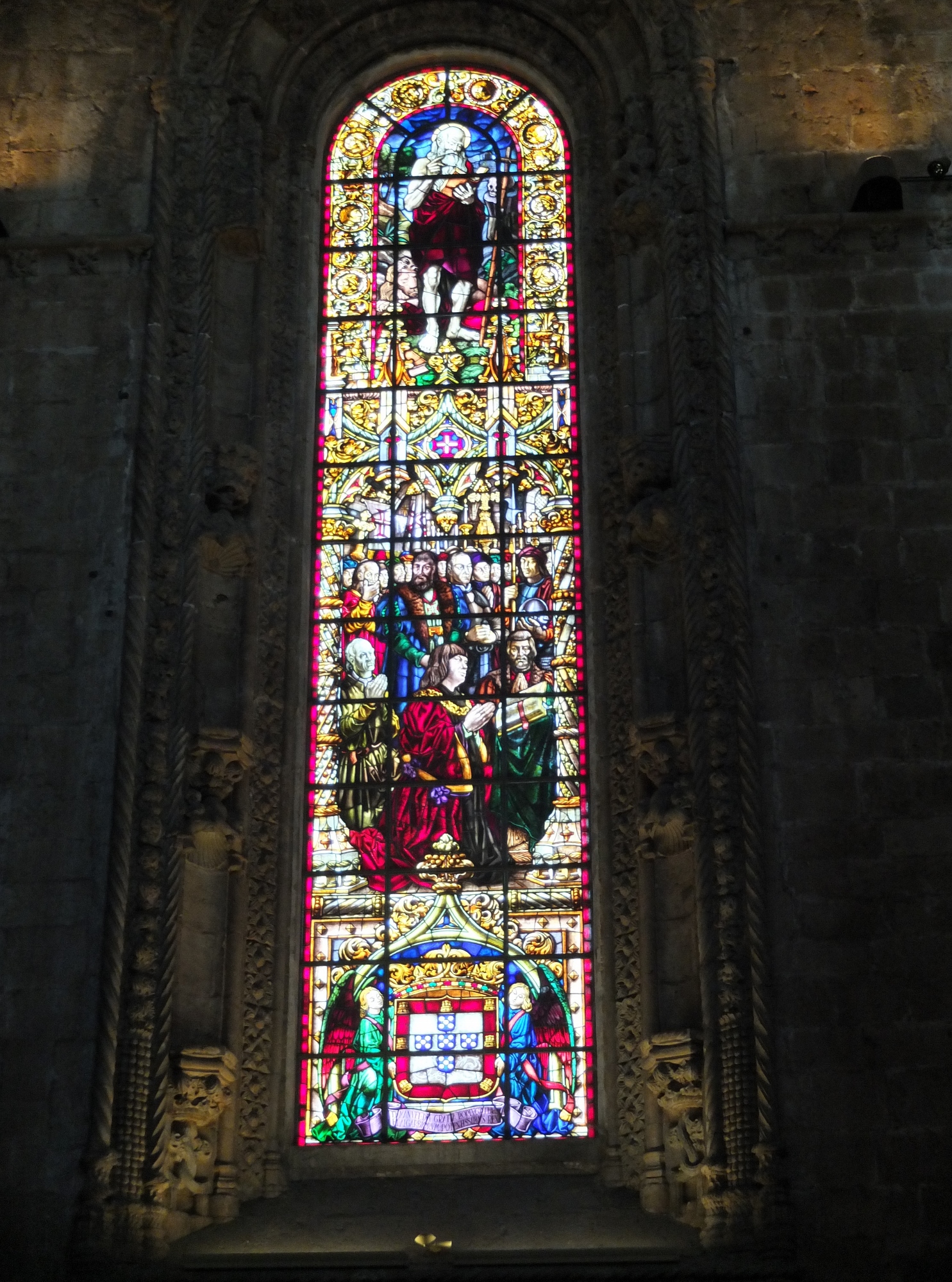
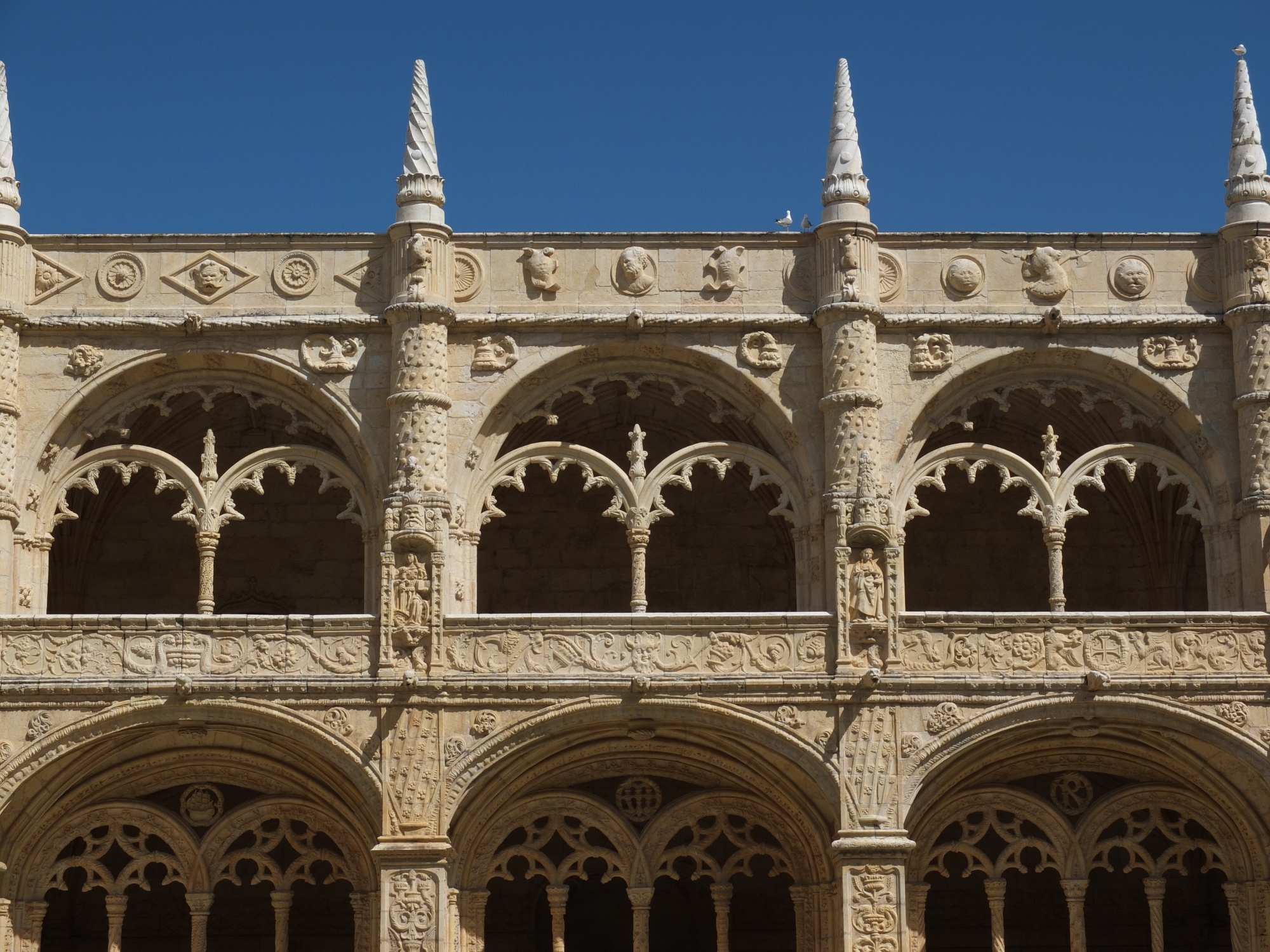
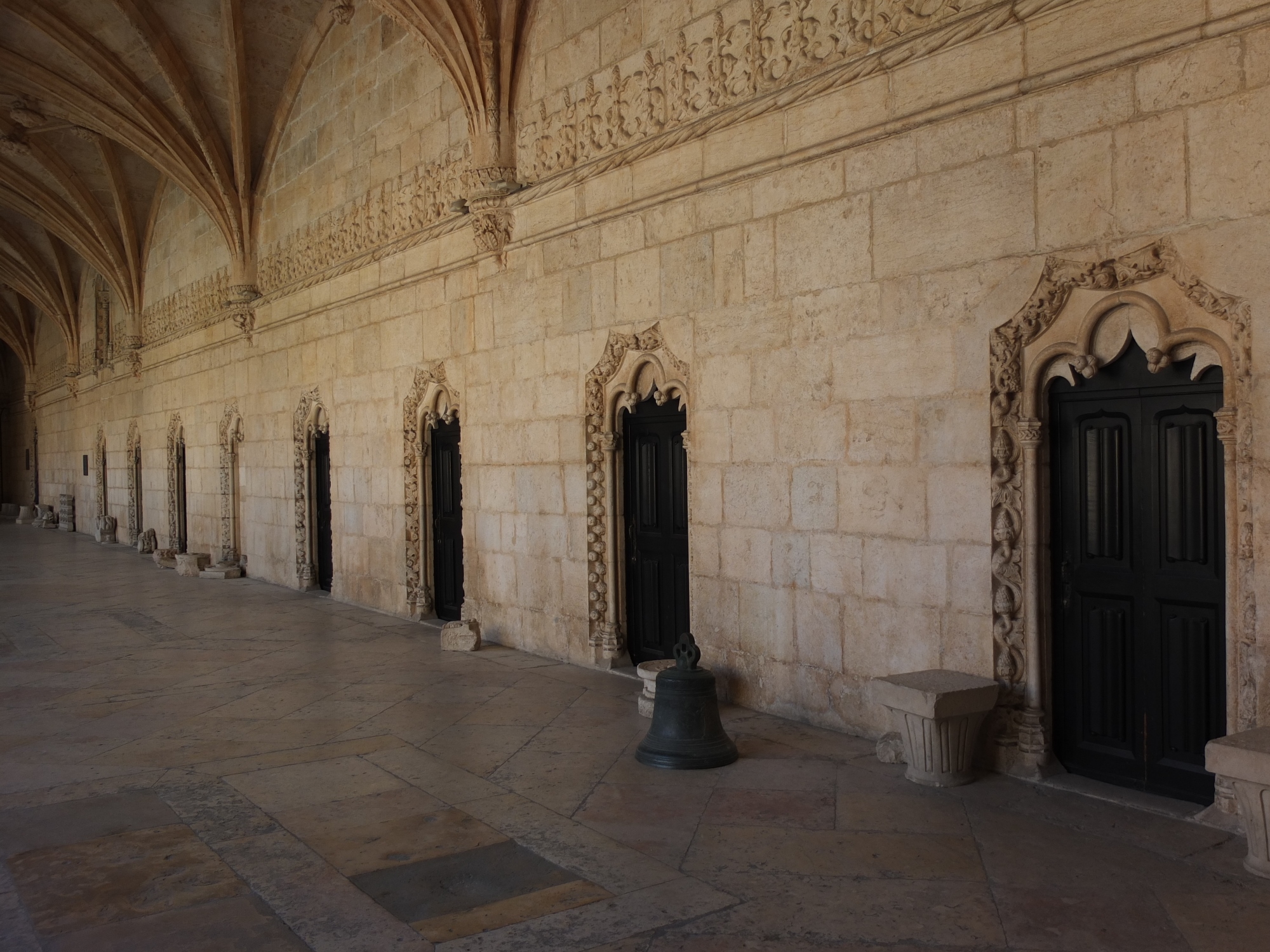
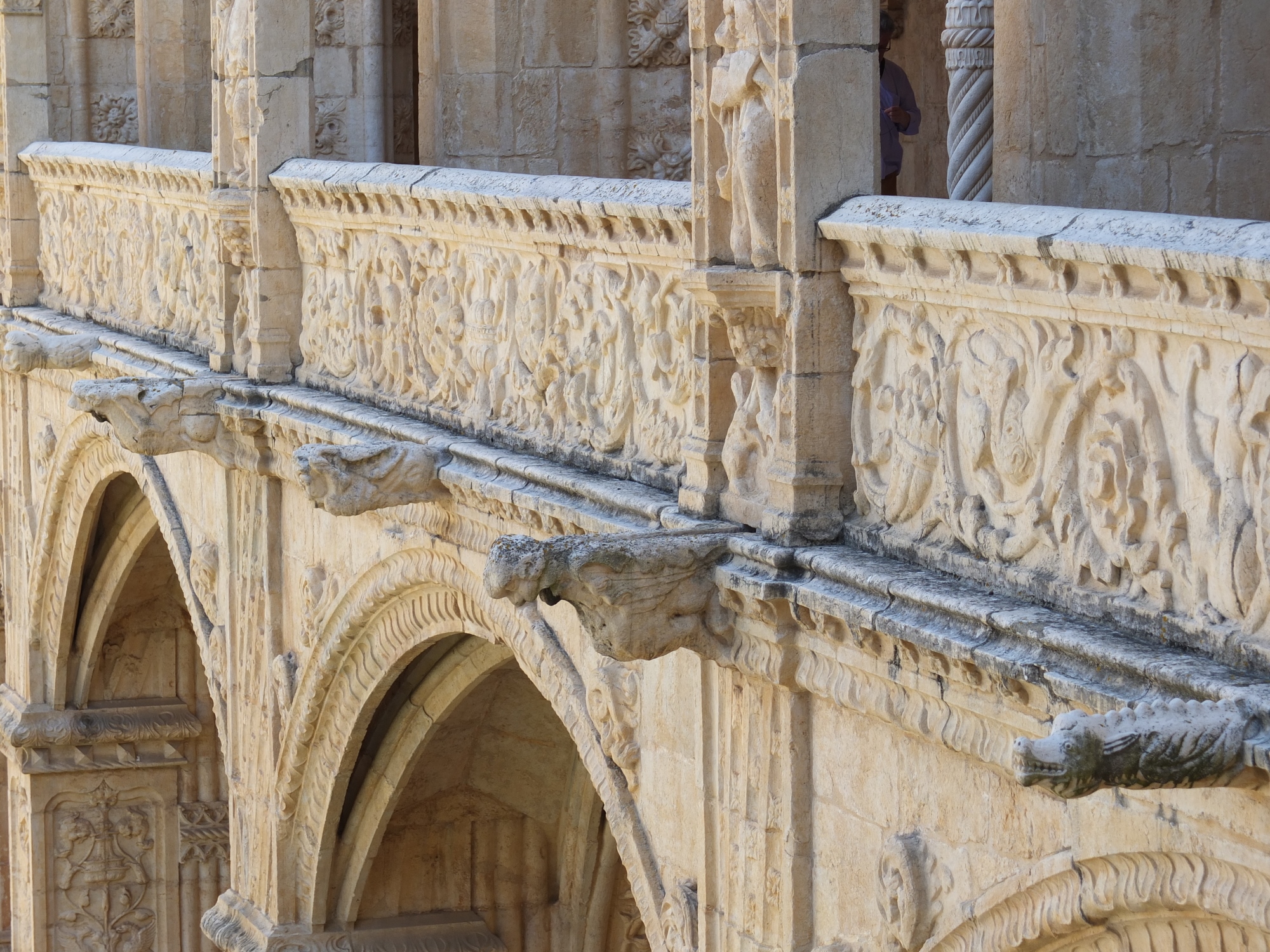
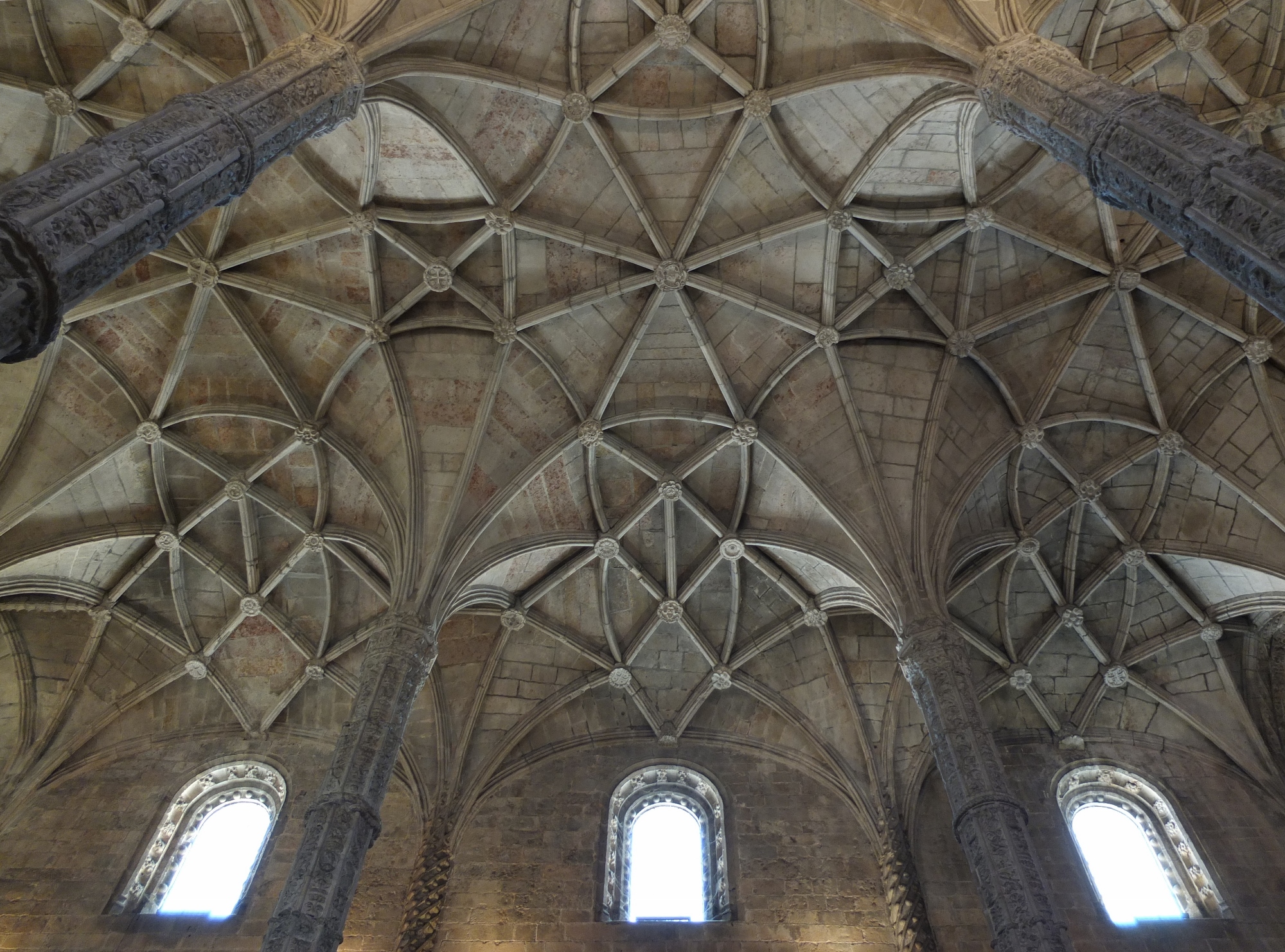
And here are some pictures of the Jerónimos Monastery and adjoined Church of Santa Maria, just across the avenida from the monument site. I want to call your attention to the stone tiles that form the zodiac representation in the garden, shown here in the wider fountain shot as well as in closer detail. The combination of limestone and basalt used to create both localized texture, as well as figurative decoration, is typical for Lisbon in particular, and Portugal more generally. It is beautiful and distinctive, but inherently treacherous: it is, in many places, uneven (both upon installation, and even more so with time and settling, etc.); there are pervasive gaps between the tiles, enough to suck in or snap off narrow heels of any height, and thus turn ankles of any fortitude; and it is slick enough when dry (especially with wear), but will certainly be crazy-law-suit-slick when wet. Also note the ceiling construction and detail in the nave of the church; it is very similar to the Harry Potter ceiling outside of the dining hall at Christ Church College, Oxford. And lastly, I would like to point out the row of doors in the wall of the monastery cloister; these are actually entrances to confessionals (with the priest-side enclosures within the church, on the other side of the wall). Could there really be that much to confess within a monastery? Don’t answer that, I really don’t want to know.

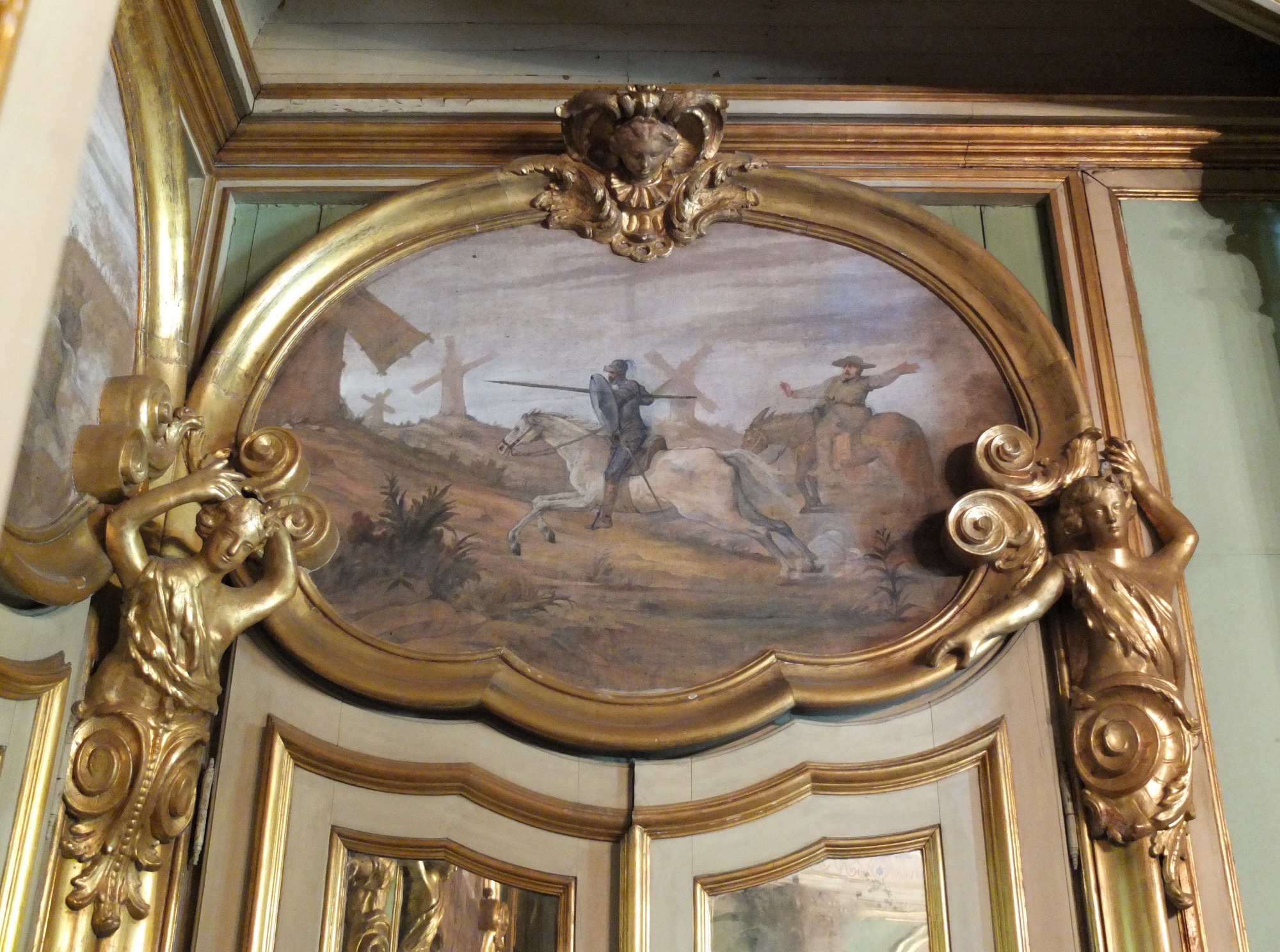
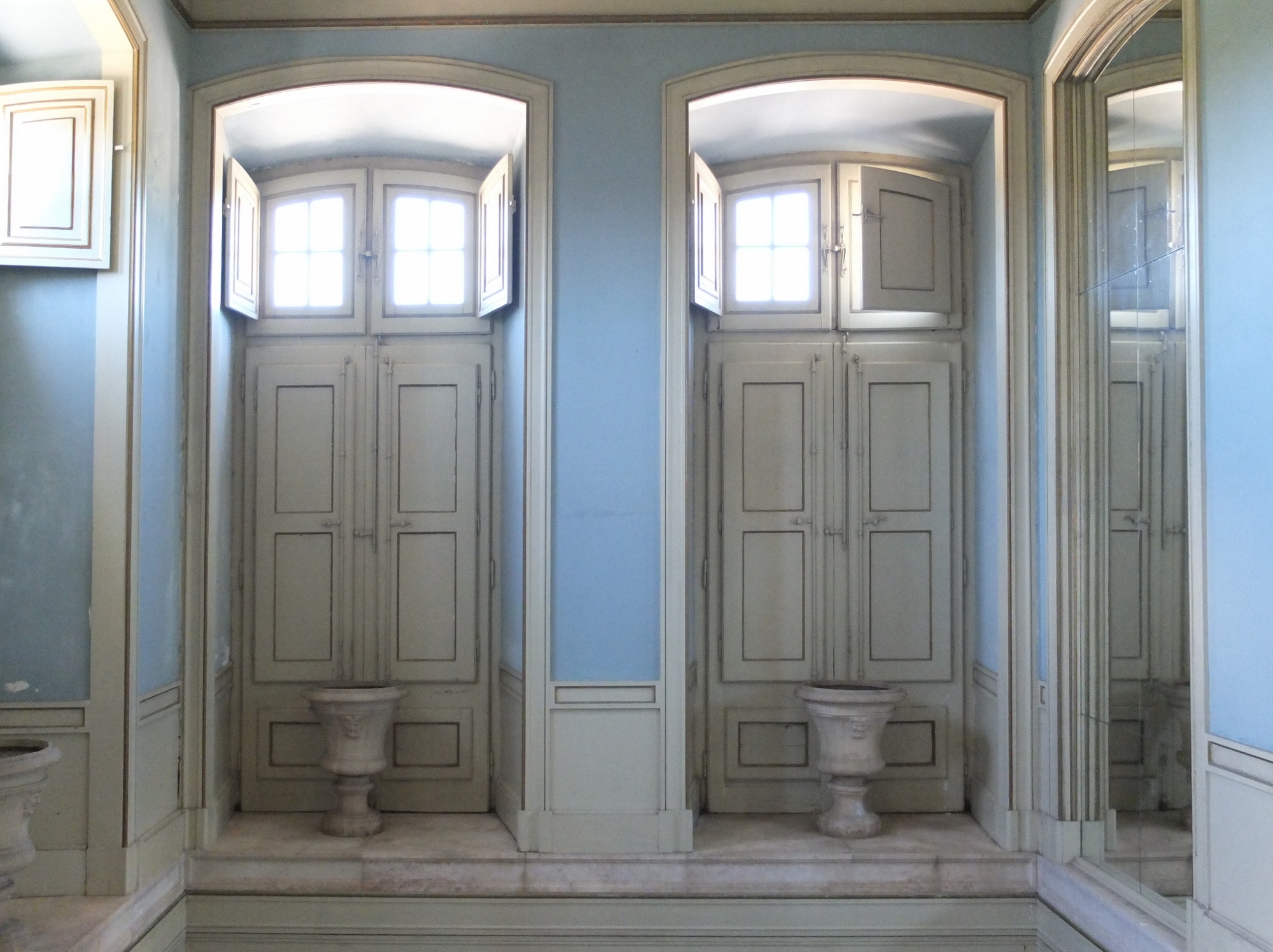
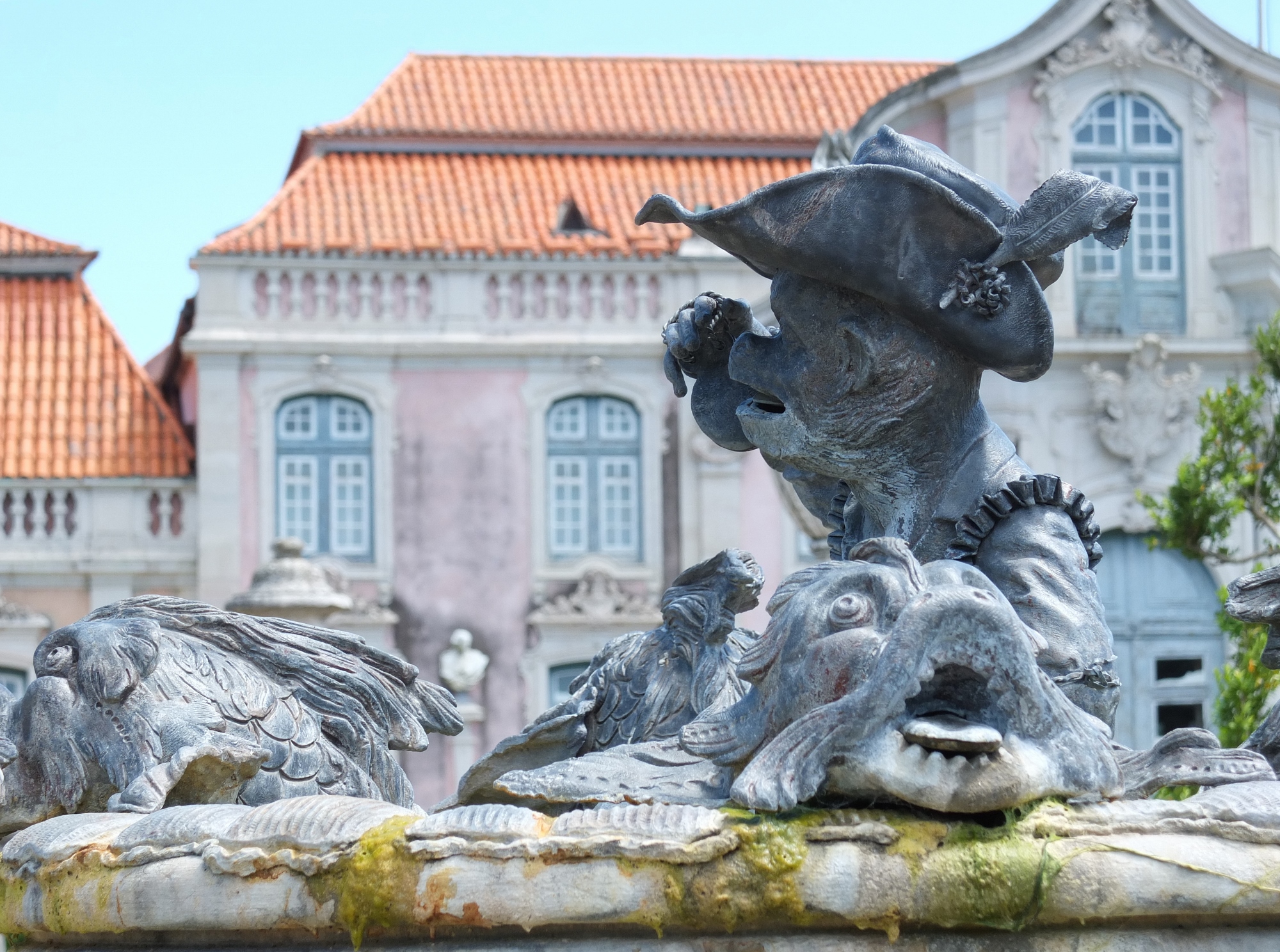
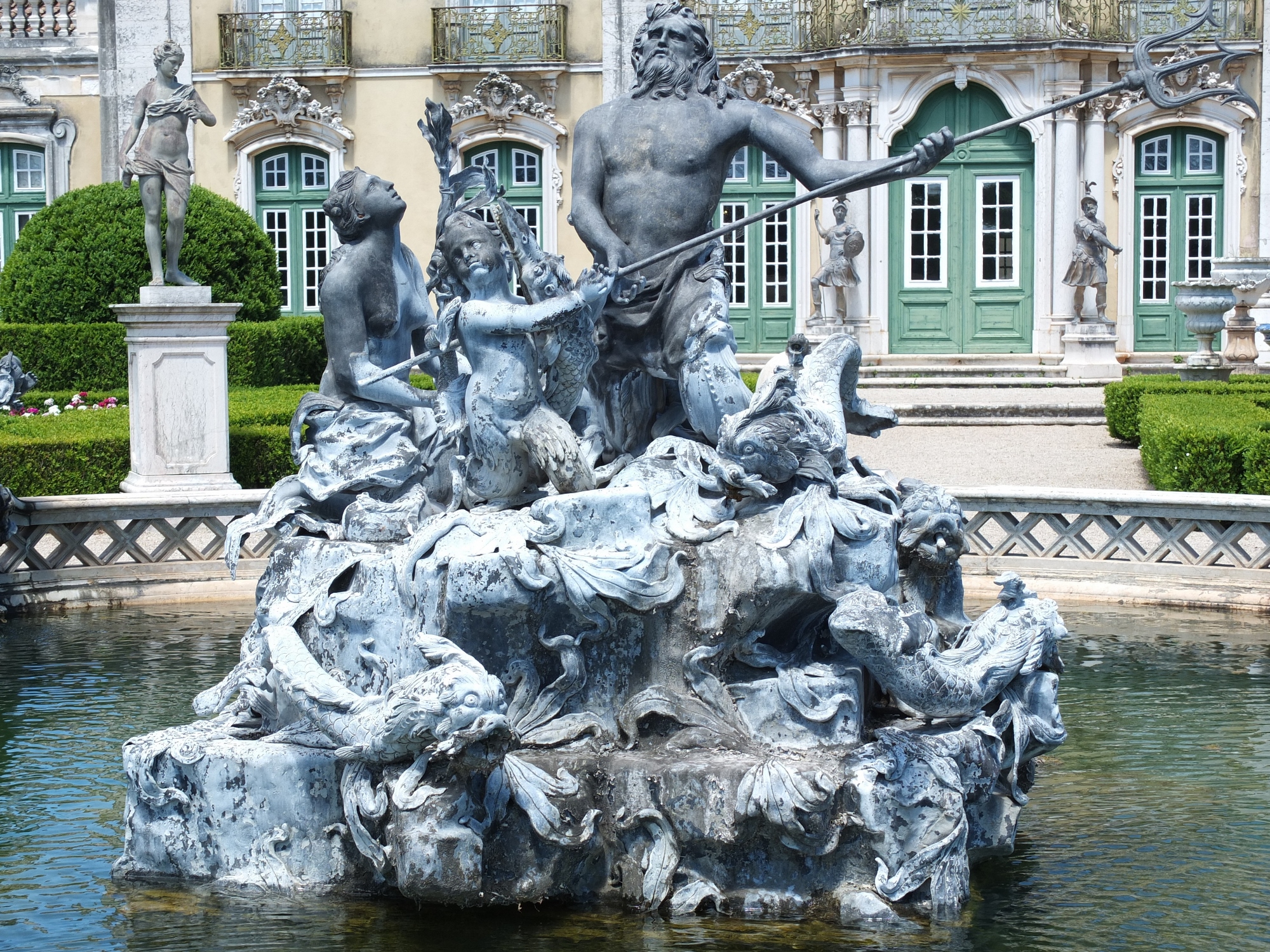
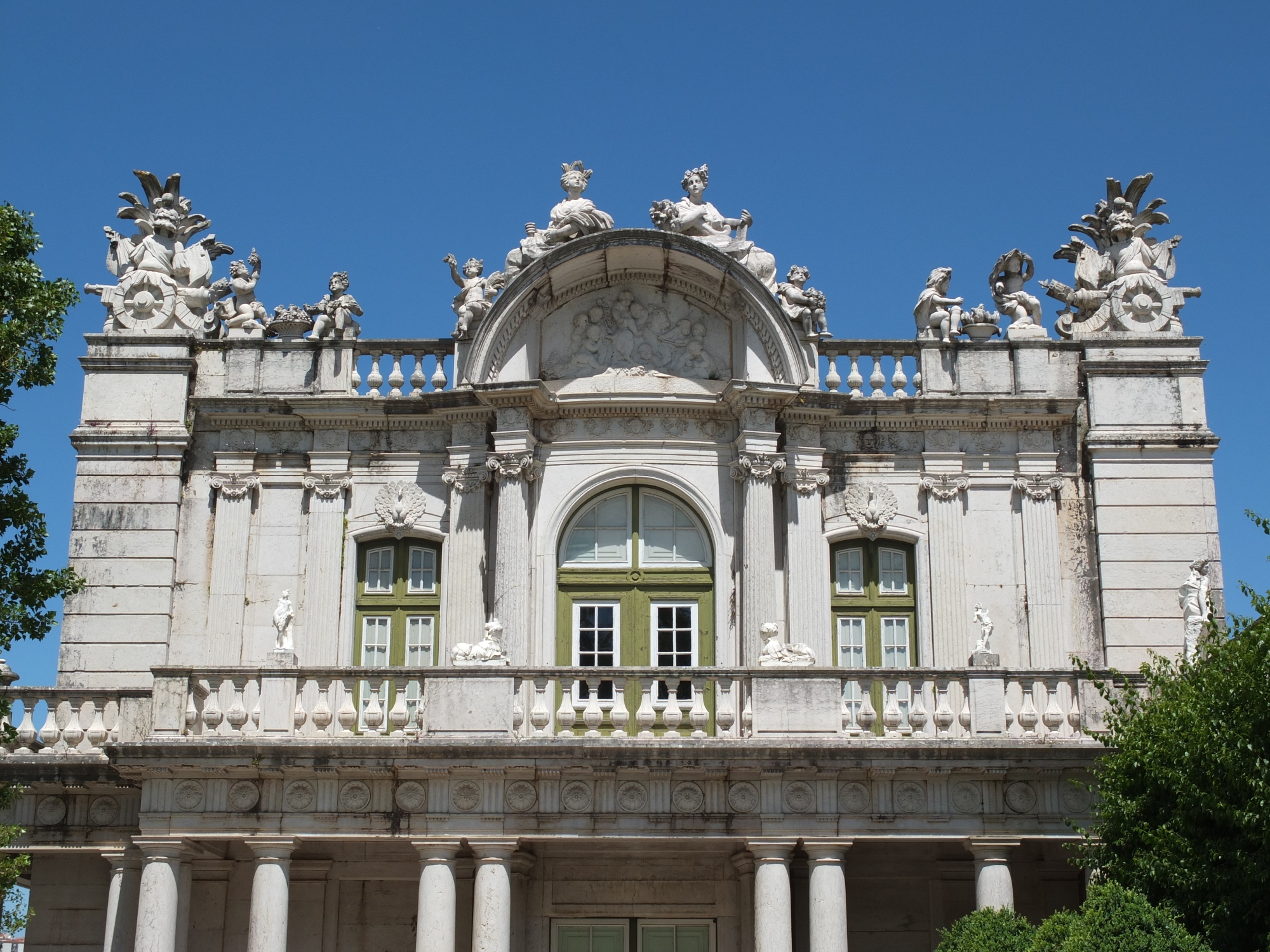
The last place we visited that morning was the Summer Palace of the royal family, in Queluz, just outside of town. Here are pictures of some architectural and design details. The Neptune fountain in front of the main entrance is similar to (though slightly smaller than) mine at home, and the Yankee Doodle Monkey Fish fountain is like the one I will be getting to complement my awesome bat lamp, when I am able to create the right space for both of them (I’m currently having trouble finding a professional to help with the project).

That afternoon we spent at the Gulbenkian Museum, which unfortunately I don’t have time or space to properly present or discuss here (owing to, among other things, no pictures). Briefly stated, I was very impressed with the Egyptian small antiquities room, the various Persian and Caucasus rugs (especially the Caucasus dragon example), and the 16th century Iznik pottery (specifically the plates, better than any I remember from Turkey). There were some nice paintings as well.
For dinner that night, Mom and I walked to the Rua das Portas de Santo Antão, not too far from the hotel, and found a nice comfortable restaurant (even though it was rather populated with other people as well) among the mayhem of the street. We shared a plate of four sardines, and two large prawns (at $19, or 27 euros, each), along with some Vinho Verde (silent “e” at the end). We also split two desserts: a very egg-y cream custard, and a frozen cheese mouse with berries. It was quite a nice meal. I’ll write more about the food of Portugal and Spain later.
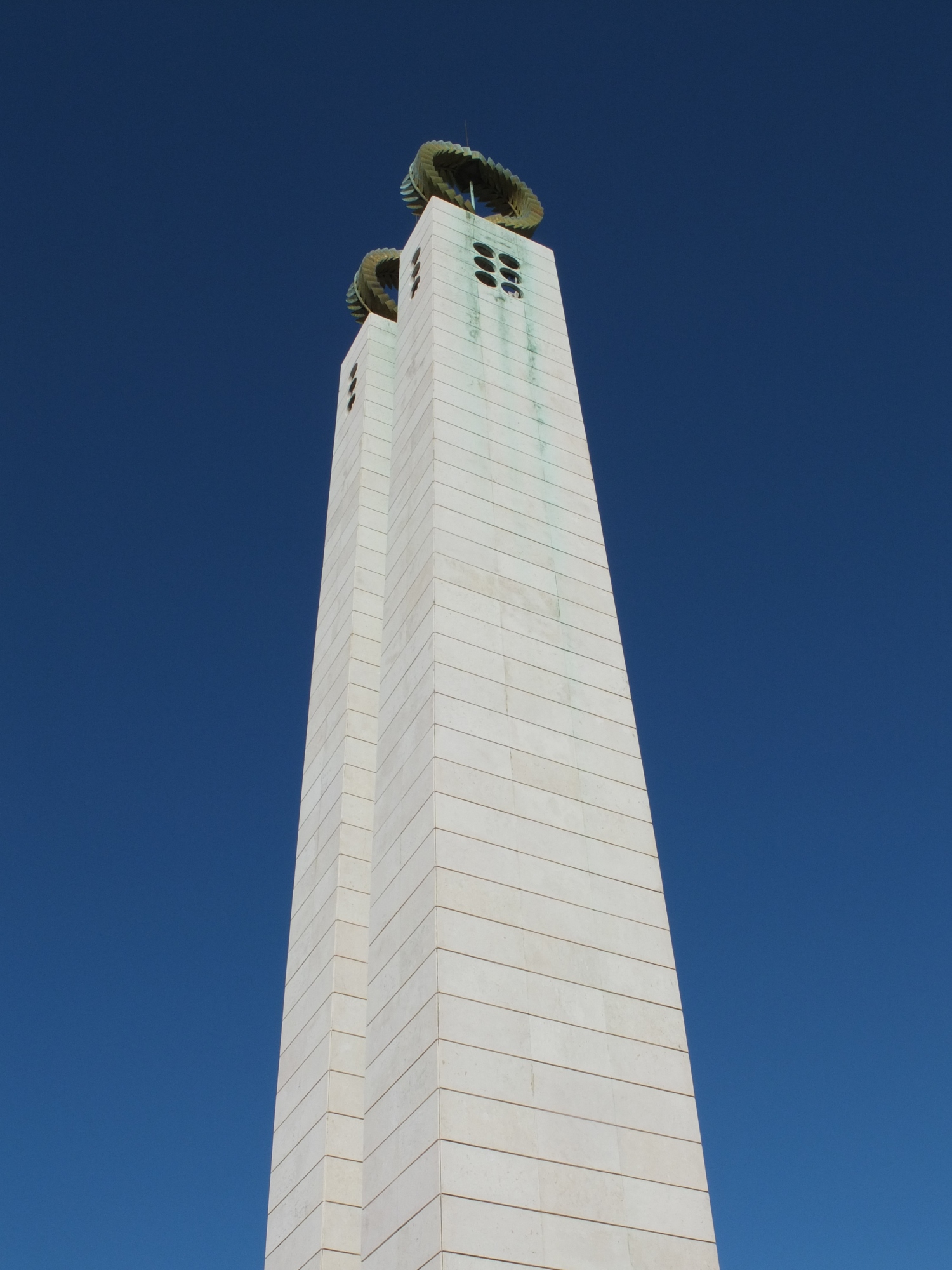
Our last stop in Lisbon, on our way out of the city the next morning, was the Eduardo VII Park, up the hill from the Marquês de Pombal Plaza. This is not really a picture of the April the 25th Monument by João Cutileiro:

DSCF3106 (1500x2000)

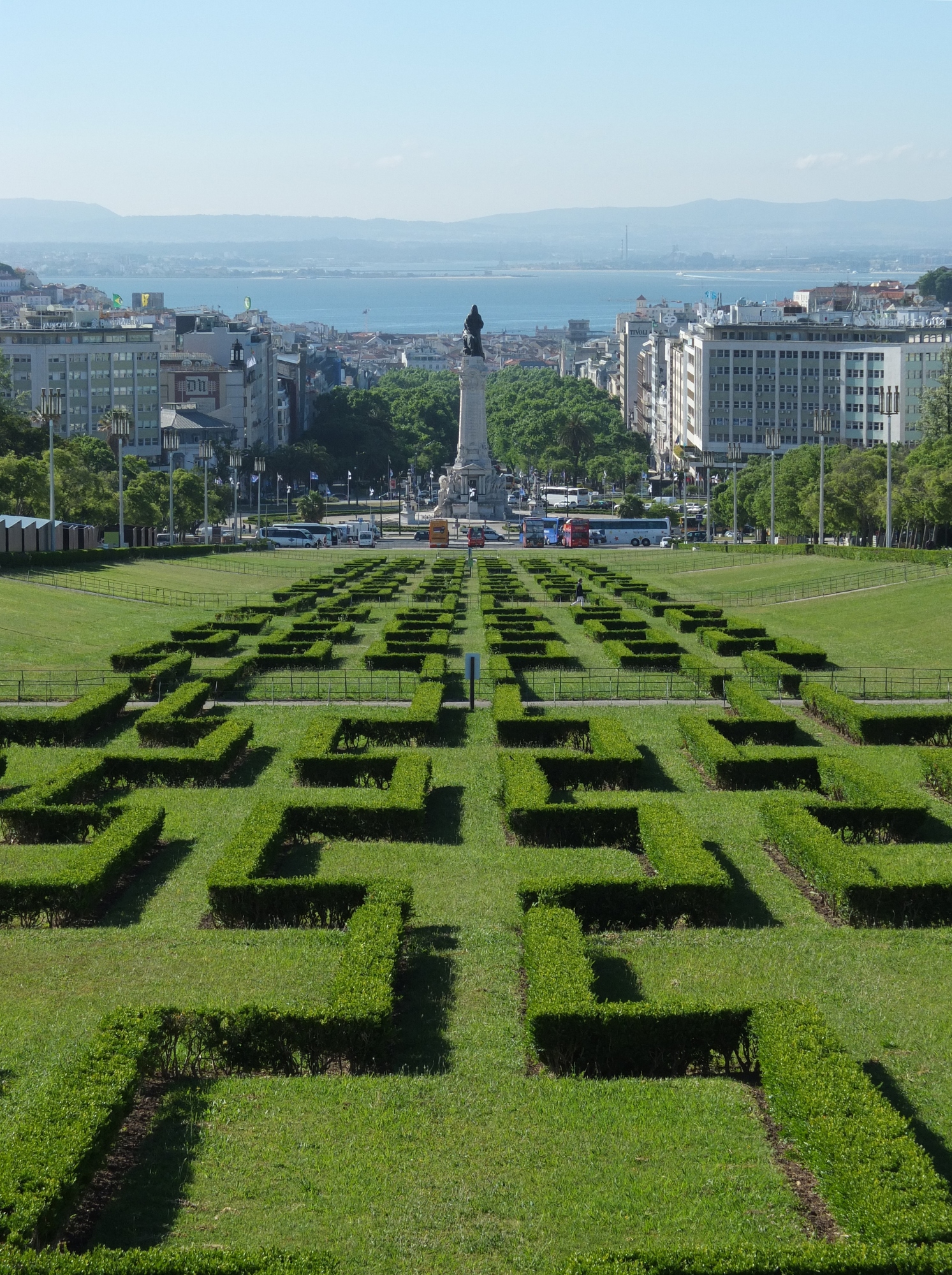
And this is not really a picture of the park, the Marquês de Pombal statue, the Baixa district, and the Rio Tejo beyond:

DSCF3089 (1493x2000)

They are merely expressions generated by traveling, being away from home, and spending time in Lisbon.

Okay, maybe this whole thing wasn’t so Joe Friday.